Everything Homeowners Need to Know About Asphalt Shingle Roofs
Asphalt Shingle Roofs: The Basics

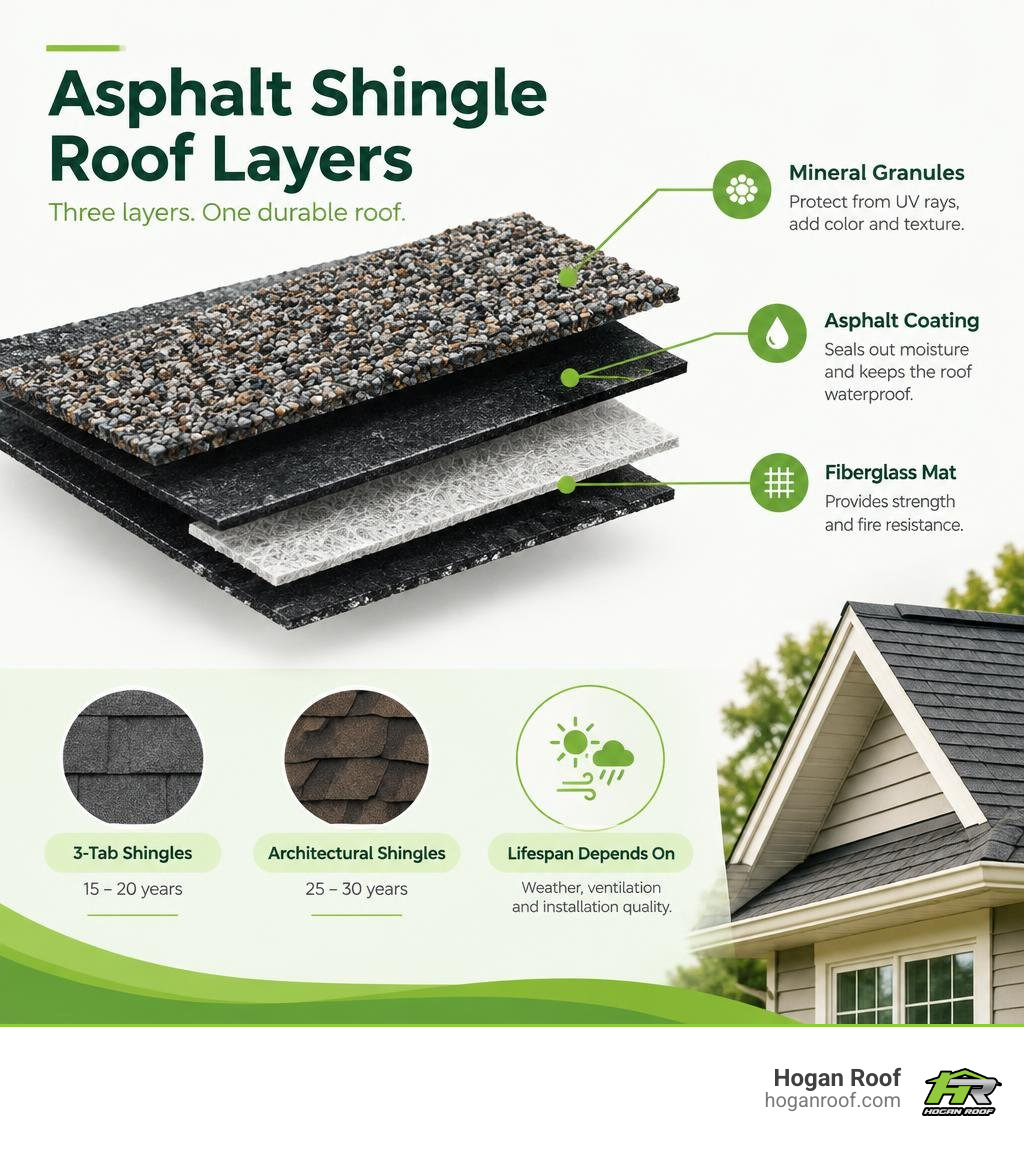
Asphalt shingle roofs use overlapping shingles made from a fiberglass mat, asphalt, and protective mineral granules. They are a popular choice because they cost less upfront than many other roof materials and are relatively easy to repair. The main options are 3-tab shingles, which typically last 15 to 20 years, and thicker architectural shingles, which typically last 25 to 30 years. Actual roof life depends on the weather, attic ventilation, and installation quality.
I’m Bill Hogan, owner of Hogan Roof. I’ve spent over 20 years working on asphalt shingle roofs and other roofing projects across Long Island and Queens, and I’ll walk you through what matters when choosing and caring for one.
Main Types and Classifications of Asphalt Shingles
Every asphalt shingle starts with a solid foundation. Modern shingles are built on a non-woven fiberglass mat that delivers structural tensile strength and natural fire resistance. This core mat is coated on both sides with specially formulated waterproof asphalt that seals out moisture. Finally, a top layer of ceramic-coated mineral granules is embedded into the hot asphalt. Think of these granules as tiny sunglasses for your roof—they reflect ultraviolet (UV) radiation, give shingles their distinctive colors, and protect the underlying asphalt from drying out and cracking.
Homeowners can choose from three main product tiers, each offering different levels of durability, style, and storm resistance.
| Shingle Type | Average Installed Cost (per sq. ft.) | Expected Lifespan | Wind Resistance Rating | Typical Warranty Coverage |
|---|---|---|---|---|
| 3-Tab (Strip) | $3.50 – $5.00 | 15 – 20 Years | 60 – 70 mph | 20 – 25 Year Limited |
| Architectural (Dimensional) | $4.00 – $8.50 | 25 – 30 Years | 110 – 130 mph | Lifetime Limited |
| Luxury (Designer) | $8.00 – $12.00+ | 30 – 50 Years | 110 – 130+ mph | 50-Year to Lifetime Limited |
3-Tab vs. Architectural vs. Luxury Asphalt Shingle Roofs
Traditional 3-tab shingles (also called strip shingles) are single-layer, flat products with cutouts that create the illusion of three individual tabs per strip. They are lightweight, weighing about 200 to 250 pounds per roofing square (100 square feet), and remain the most budget-friendly option upfront. However, their single-ply profile makes them vulnerable to blow-offs during severe storms.
Architectural shingles (dimensional or laminated shingles) represent over 80% of new residential installations. These shingles bond two or more layers of asphalt-coated fiberglass together, creating a textured, multi-dimensional shadow line that enhances curb appeal. Weighing 250 to 400 pounds per square, architectural shingles provide double the thickness of standard 3-tab products, delivering superior wind resistance and a lifespan that is roughly a decade longer. To ensure you get the full benefits of this upgrade, refer to a homeowner's guide to hiring reliable asphalt shingle roofers before starting your project.
Luxury shingles represent the premium tier of asphalt roofing. These extra-heavyweight multi-laminate shingles mimic the look of natural quarried slate or authentic cedar shakes without requiring costly structural reinforcement. While they carry a higher price tag, their durability, rich depth, and superior weather performance make them an exceptional long-term investment.
Performance Ratings: Wind, Hail, and Fire Resistance
When selecting an asphalt shingle roof, safety and durability ratings are essential considerations:
- Fire Resistance: Most modern fiberglass shingles carry an ASTM E108 Class A fire rating, the highest available. Class A roofing materials prevent flame penetration, resist severe exterior fire exposure, and do not produce flying embers.
- Wind Resistance: Modern shingles use thermally activated self-sealing adhesive strips. When warmed by the sun, these strips bond overlapping shingle courses together. While standard 3-tab shingles are rated for winds up to 60–70 mph, architectural shingles withstand speeds up to 130 mph. For technical design details, see the ARMA Residential Asphalt Roofing Manual.
- Impact Resistance: Shingles undergo UL 2218 testing and receive impact ratings from Class 1 to Class 4. Class 4 impact-resistant shingles withstand a 2-inch steel ball dropped from 20 feet without cracking. In severe hail corridors, installing Class 4 shingles can lower annual homeowner insurance premiums by 10% to 35%.
How Long Do Asphalt Shingle Roofs Last?
Under normal conditions, an architectural shingle roof lasts between 25 and 30 years, while basic 3-tab roofs typically need replacement after 15 to 20 years. Luxury shingles can often reach 40 to 50 years with regular upkeep.

How long your roof lasts depends on your climate, the roof's pitch, sun exposure, and attic ventilation.
Climate Impacts and Attic Ventilation Variables
Weather conditions play a major role in shingle wear:
- Intense Solar UV: Prolonged heat and UV radiation bake out volatile asphalt oils, leading to dried, brittle shingles.
- Freeze-Thaw Cycles: Water seeping into tiny crevices expands when frozen, cracking the asphalt mat. To protect your home during harsh winters, check our winter roof checklist for Long Island homes.
- High Humidity: Warm, moist air encourages algae ( Gloeocapsa magma ) growth, creating unsightly dark streaks that break down granules over time.
Poor attic ventilation is one of the most common causes of premature roof failure. Without balanced intake and exhaust airflow, summer attic temperatures can climb to 150°F or higher. This trapped heat bakes the shingles from below, drying out the asphalt binder and reducing service life by 20% to 30%. Building codes require a minimum Net Free Vent Area (NFVA) of 1 square foot of ventilation for every 150 square feet of attic floor space (or 1:300 when balanced between continuous soffit intake vents and high ridge exhaust vents). Proper airflow keeps attics cool in summer and prevents destructive winter ice dams.
Critical Installation and Deck Preparation Requirements
A dependable asphalt roof relies on a complete, integrated weatherproofing system:
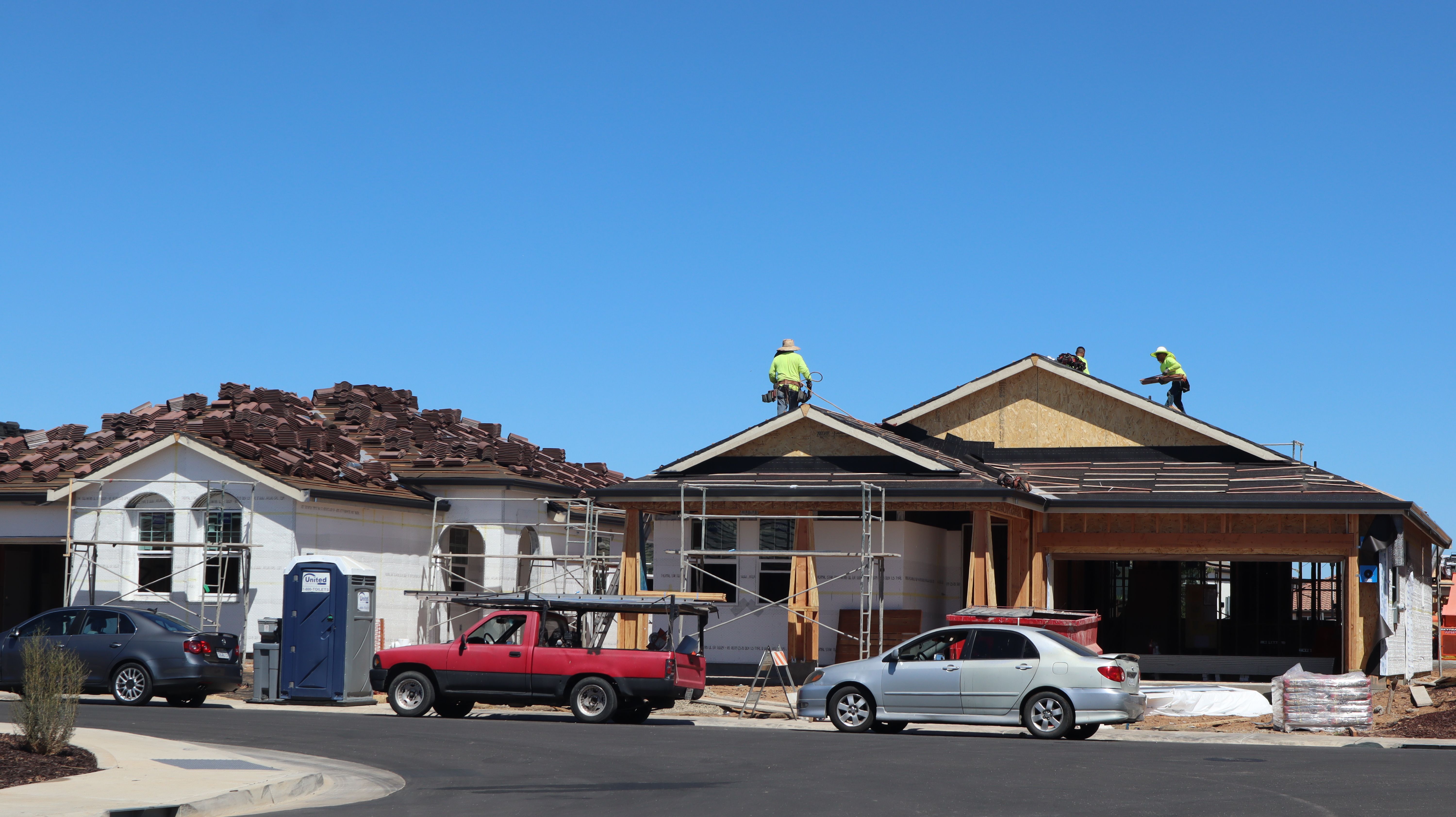
- Deck Preparation: Shingles require a clean, flat, dry roof deck of at least 7/16-inch OSB or 1/2-inch exterior-grade plywood. If old boards are rotten or sagging, review what to expect during roof deck replacement.
- Drip Edge & Ice Barriers: Corrosion-resistant metal drip edges are installed along the eaves and rakes to direct rainwater away from the fascia. Self-adhering waterproof ice and water shields are applied along eaves, valleys, and around chimneys to stop wind-driven rain and ice-dam backups.
- Synthetic Underlayment: A breathable, water-resistant synthetic underlayment covers the rest of the deck, outperforming traditional asphalt-saturated organic felt in tear resistance and water protection.
- Starter Strips & Shingle Fastening: Factory-made starter strips along eaves provide a continuous adhesive bond line that prevents wind lift. Shingles must be fastened with corrosion-resistant, 11- or 12-gauge galvanized roofing nails placed squarely below the sealant line. Following the correct nailing schedule ensures the manufacturer's wind warranty remains valid; see how to inspect your roof after replacement for details.
Maintenance, Repair, and Service Life Optimization
Regular maintenance is simple, cost-effective, and can add years of service to your roof. Clear leaves and debris from gutters twice a year so water drains freely away from the eaves. Trim overhanging tree branches back at least 10 feet to reduce shade, prevent moss accumulation, and protect your roof from falling limbs.
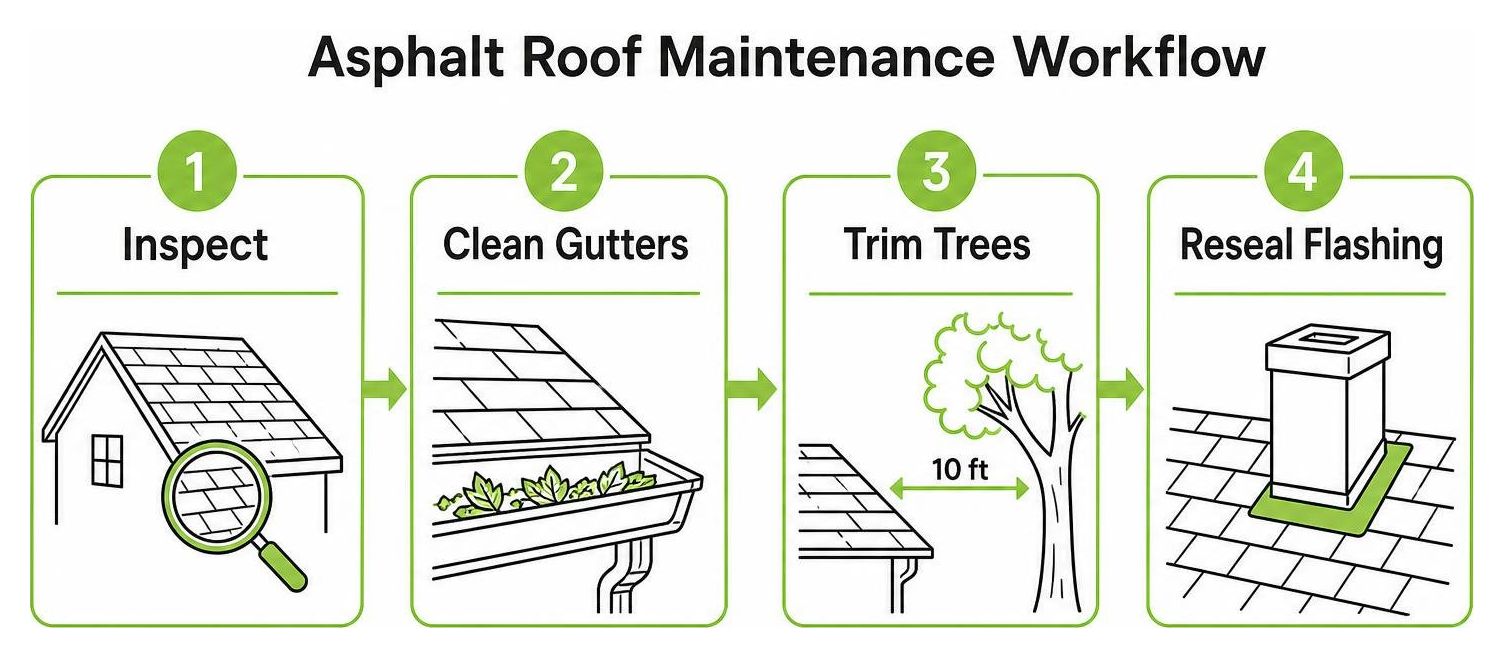
Keep valleys clear of leaves and pine needles, which trap moisture against the shingles. To keep your roofing system performing at its best, explore our proactive roof maintenance services.
Best Practices for Repairing Asphalt Shingle Roofs
Asphalt shingle roofs are easy to repair thanks to their modular layout. When wind or falling debris damages a few shingles, you can fix those spots without having to replace the entire slope.
A roofer gently breaks the adhesive bond beneath the damaged shingle using a flat pry bar, pulls the fasteners, slides in a matching replacement shingle, and nails it securely into place. A small bead of asphalt roofing cement is then applied under the tabs to restore the wind seal. Keeping a spare bundle of shingles from your initial installation ensures replacement tabs blend in naturally with the existing roof.
Warning Signs: When to Repair vs. Replace
Knowing whether to repair a problem or replace the entire roof helps protect both your home and your budget:
- Heavy Granule Loss: Finding dense accumulations of mineral granules in gutters indicates that shingles have lost their UV shielding, leaving the exposed asphalt vulnerable to cracking.
- Curling, Cupping, or Clawing: Edges that curl upward or bow in the center mean the asphalt core has dried out, signaling that the shingles have reached the end of their lifespan.
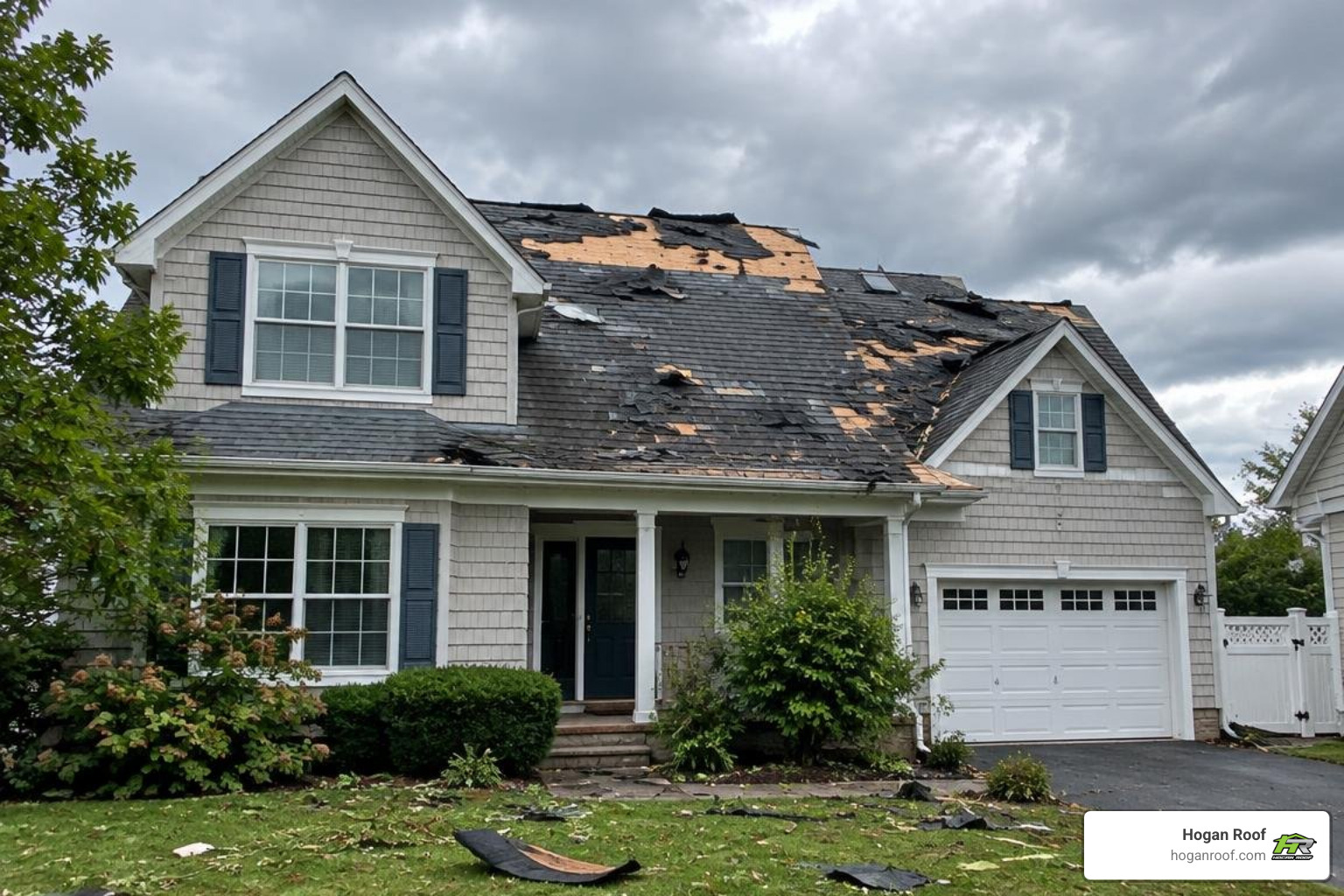
- Missing or Broken Shingles: While replacing a few lost shingles is simple, widespread blow-offs during routine storms indicate that the self-sealing adhesive has failed across the entire roof.
- Spongy Decking or Sagging Ridges: Soft spots beneath your feet indicate moisture damage in the underlying wood deck, requiring structural repair.
- Persistent Leaks: If multiple leaks appear across different areas of the house, isolated repairs will no longer provide lasting protection.
When you notice these signs, consult our guide on roof repair vs replacement and learn how to estimate your roof replacement cost.
Frequently Asked Questions About Asphalt Shingle Roofing
How much do asphalt shingles cost installed per square foot?
In 2026, an asphalt shingle roof generally costs between $3.50 and $8.50 per square foot installed , depending on the shingle grade, roof pitch, and tear-off requirements. Basic 3-tab shingles average $3.50 to $5.00 per square foot, while architectural shingles run $4.00 to $8.50 per square foot. To learn how material grades and roof complexity affect total pricing, check our transparent roofing pricing and read our new roof replacement cost breakdown.
Can new asphalt shingles be installed over an existing roof?
Most residential building codes allow a maximum of two roofing layers, meaning a single overlay is often permitted if the original roof deck is flat and structurally sound. However, a full tear-off is almost always the better choice. Stripping the old shingles allows contractors to inspect the wood deck, replace rotted boards, install high-performance ice and water shields, and prevent excess weight from straining your home's framing.
How do I choose the right asphalt shingle grade?
Consider your long-term plans, your budget, and local weather conditions. If you plan to move within a few years or are working with a tight budget, 3-tab shingles offer an affordable, functional roof covering. If you want better curb appeal, higher resale value, and durable protection against 130 mph winds, architectural shingles provide the best return on investment. For distinctive styling that replicates natural slate or cedar, luxury shingles deliver long-lasting performance and character.
Conclusion
Asphalt shingles remain the top residential roofing choice across the country because they deliver the right mix of affordability, dependable weather protection, Class A fire safety, and appealing design options. Whether you choose practical 3-tab shingles or high-performance architectural laminates, getting quality materials and professional installation ensures your home stays protected for decades to come.
At Hogan Roof, we bring over 20 years of hands-on expertise to every project as an Owens Corning Platinum Preferred Contractor. We proudly provide full-service residential roofing, siding, and gutter installations across Long Island—including Nassau County and Suffolk County—as well as Queens. If you want to check your roof's condition or plan an upcoming replacement, contact our team today for expert residential roofing services and a free, detailed inspection.