How Long Does a Roof Last on Long Island? Lifespan by Material
How Long Does a Roof Last on Long Island?
Asphalt shingle roofs on Long Island typically last 15-30 years. Metal roofs can last 40-70 years, wood shakes about 20-25 years, and slate or tile 50-100 years or more. Coastal storms, salt air, and moisture can shorten a roof’s life; good installation, ventilation, and upkeep help it last longer.
I’m Bill Hogan, owner of Hogan Roof, an Owens Corning Platinum Preferred Contractor with over 20 years of roofing experience on Long Island. When homeowners ask, “How long does a roof last on Long Island?”, I start with the material and the roof’s condition—two factors that shape the answer below. For broader context on how coastal environments affect roofing, the Federal Emergency Management Agency provides guidance on wind-resistant roof design.
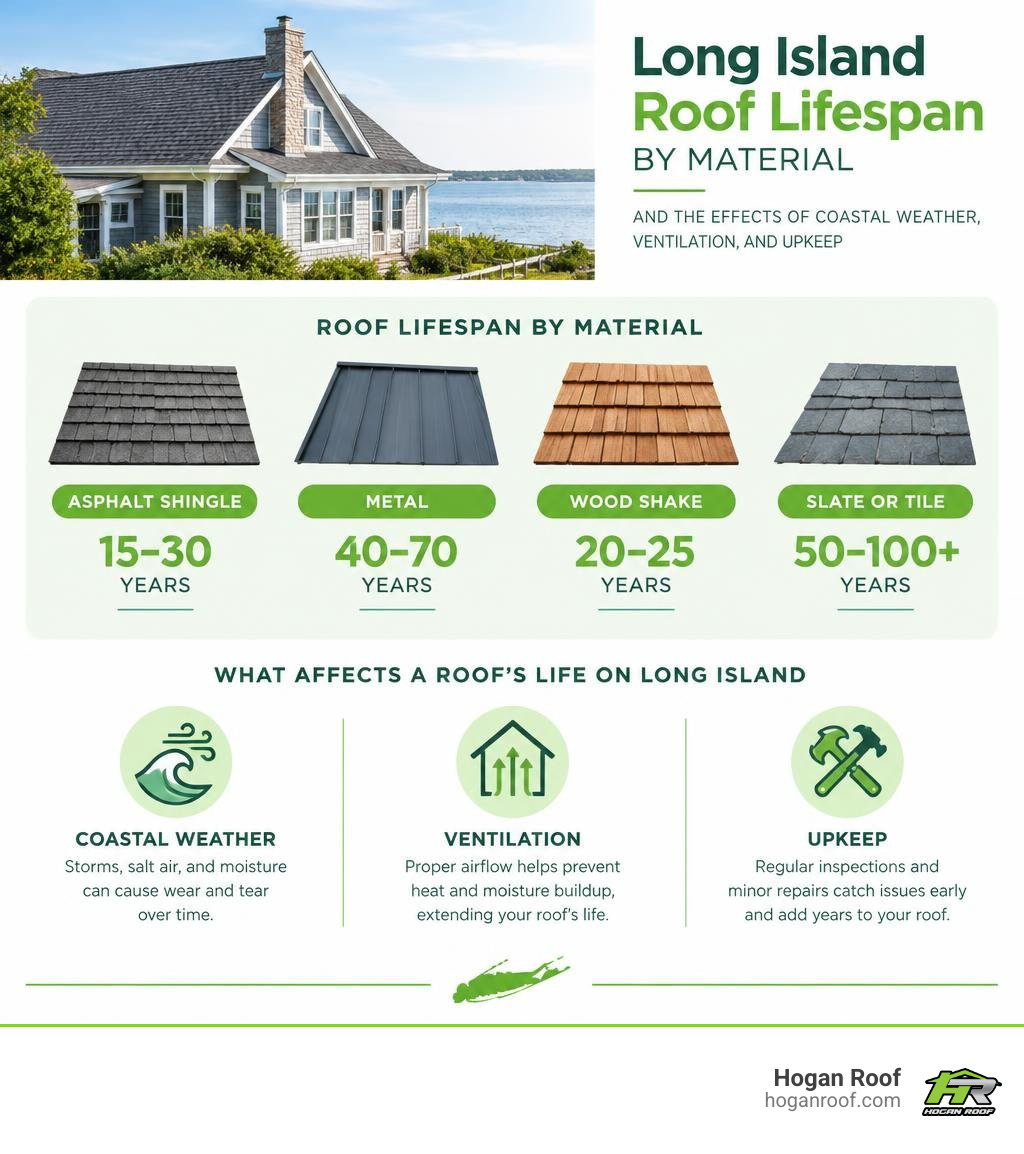
Exactly How Long Does a Roof Last on Long Island by Material?
Every roofing material responds differently to the unique Atlantic climate found across Nassau and Suffolk counties. While manufacturer warranties often cite nationwide averages, local weather conditions—such as coastal winds, heavy winter snow, and intense summer humidity—play a major role in actual service life.
| Roofing Material | Expected Lifespan on Long Island | Durability Against Coastal Storms | General Cost Range (Estimate) |
|---|---|---|---|
| 3-Tab Asphalt Shingles | 15–20 Years | Moderate (up to 60-70 mph winds) | Lower |
| Architectural Shingles | 20–30 Years | High (up to 110-130 mph winds) | Moderate |
| Standing Seam Metal (Aluminum/Steel) | 40–70 Years | Very High (wind and fire resistant) | Higher |
| Cedar Wood Shakes | 20–25 Years | Moderate to High (requires treatment) | High |
| Natural Slate | 50–100+ Years | Maximum (heavy structural demand) | Premium |
| Flat Roofs (EPDM / Mod-Bit) | 15–25 Years | High (depends on seam seal integrity) | Moderate to High |
How Long Does an Asphalt Shingle Roof Last on Long Island?
Asphalt shingles are the most common choice for residential properties in our area. Standard traditional 3-tab shingles offer a basic protective layer that typically lasts 15 to 20 years. However, their lighter construction makes them vulnerable to blowing off during severe coastal nor'easters.
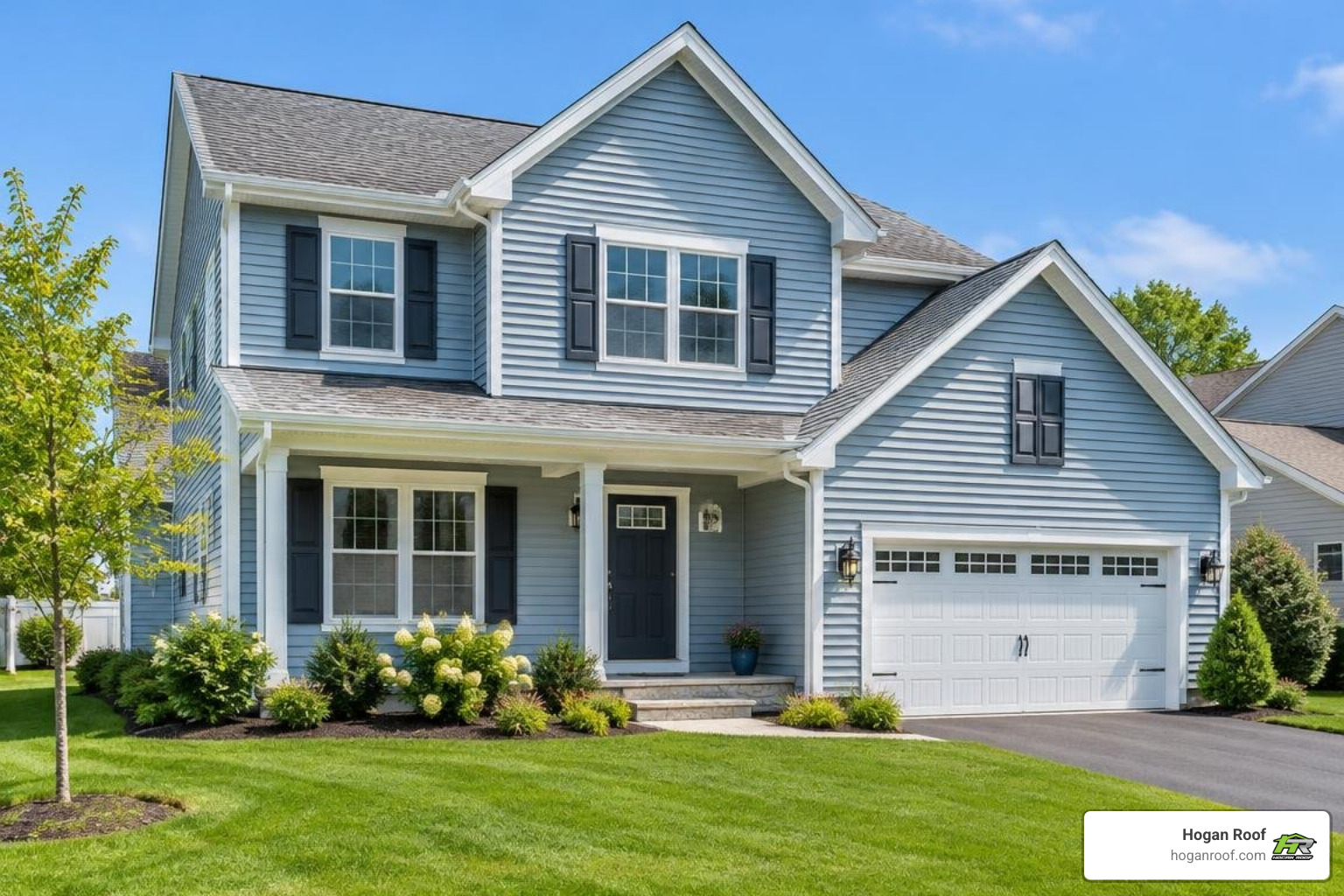
Architectural dimensional shingles perform significantly better. Built with multiple laminated layers, modern architectural shingles last between 20 and 30 years in local neighborhoods. Top manufacturers engineer these systems to withstand winds up to 130 miles per hour, making them ideal for coastal weather. Selecting reliable asphalt shingle roofers ensures that every shingle is nailed correctly according to manufacturer specifications, which is necessary to preserve comprehensive warranty coverage.
How Long Does a Metal Roof Last on Long Island?
Metal roofing systems deliver exceptional longevity, lasting 40 to 70 years. Standing seam metal panels interlock securely, creating a weather barrier that sheds rain, snow, and ice efficiently.
For coastal waterfront properties along the Long Island Sound or the Great South Bay, aluminum and copper are the top metal selections. Unlike raw steel, aluminum naturally resists oxidation and rust caused by salty sea spray. While the initial investment for metal is higher than asphalt, its multi-decade lifespan often makes it the last roof a homeowner ever needs to install.
Lifespan of Cedar Shake, Slate, and Flat Roof Systems
Alternative and specialized roofing materials offer unique aesthetic appeal and varied lifespans:
- Cedar Wood Shakes: Natural cedar provides classic coastal beauty and natural insulation. In our damp, humid climate, wood shakes generally last 20 to 25 years. They require consistent treatments to prevent moss, rot, and moisture absorption.
- Natural Slate: Known as the "hundred-year roof," high-grade quarried slate can easily protect a structure for 50 to 100+ years. Slate does not rot or burn, but its extreme weight requires a sturdy framing structure capable of supporting the load.
- Flat & Low-Slope Membranes: Modern homes, dormers, and commercial additions often incorporate flat roofing. EPDM rubber and modified bitumen membranes provide seamless water resistance lasting 15 to 25 years when drainage slopes are maintained properly. Explore our full range of residential roofing solutions to learn more about the best systems for complex rooflines.
What Coastal Climate Factors Impact Roof Longevity in Nassau and Suffolk?
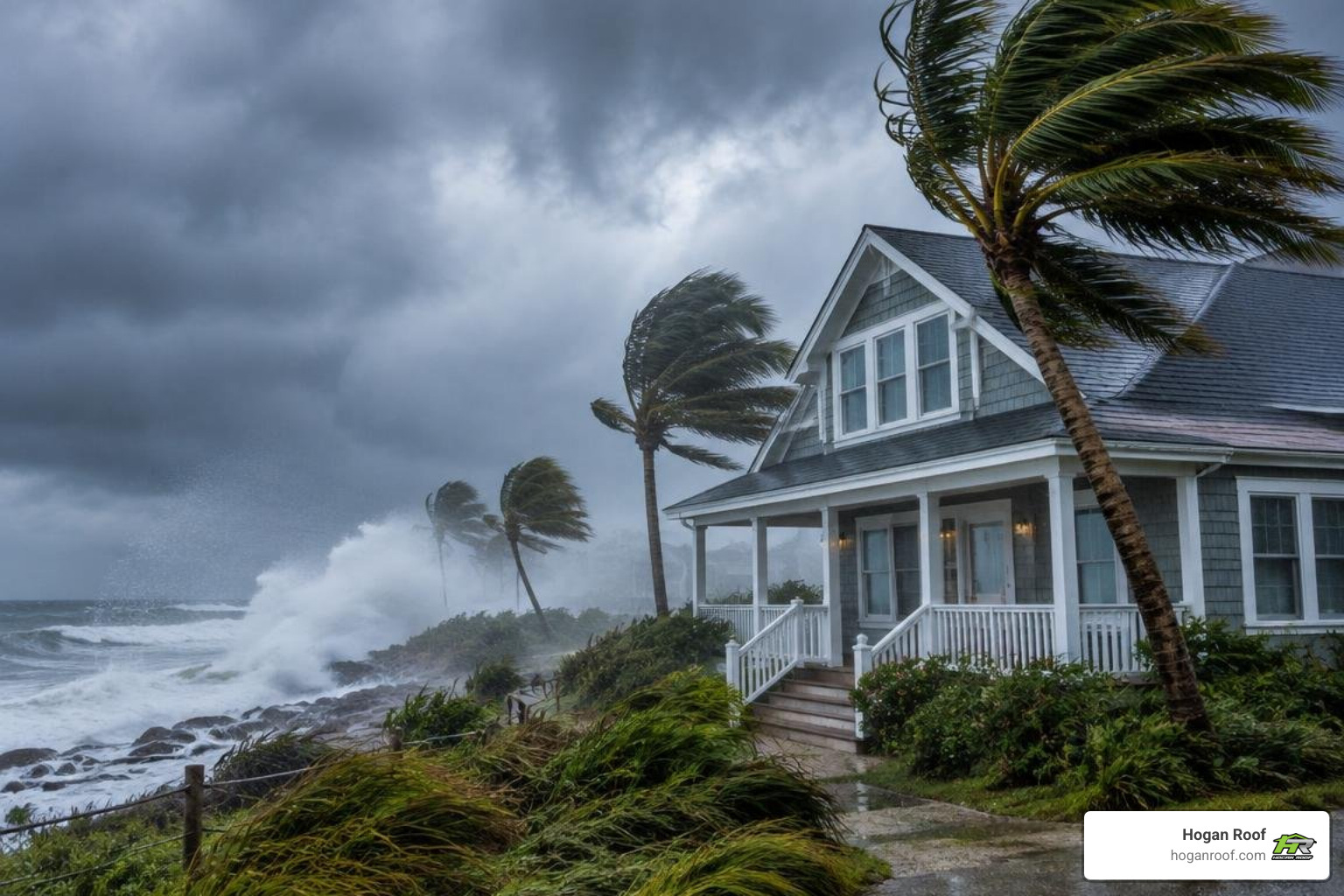
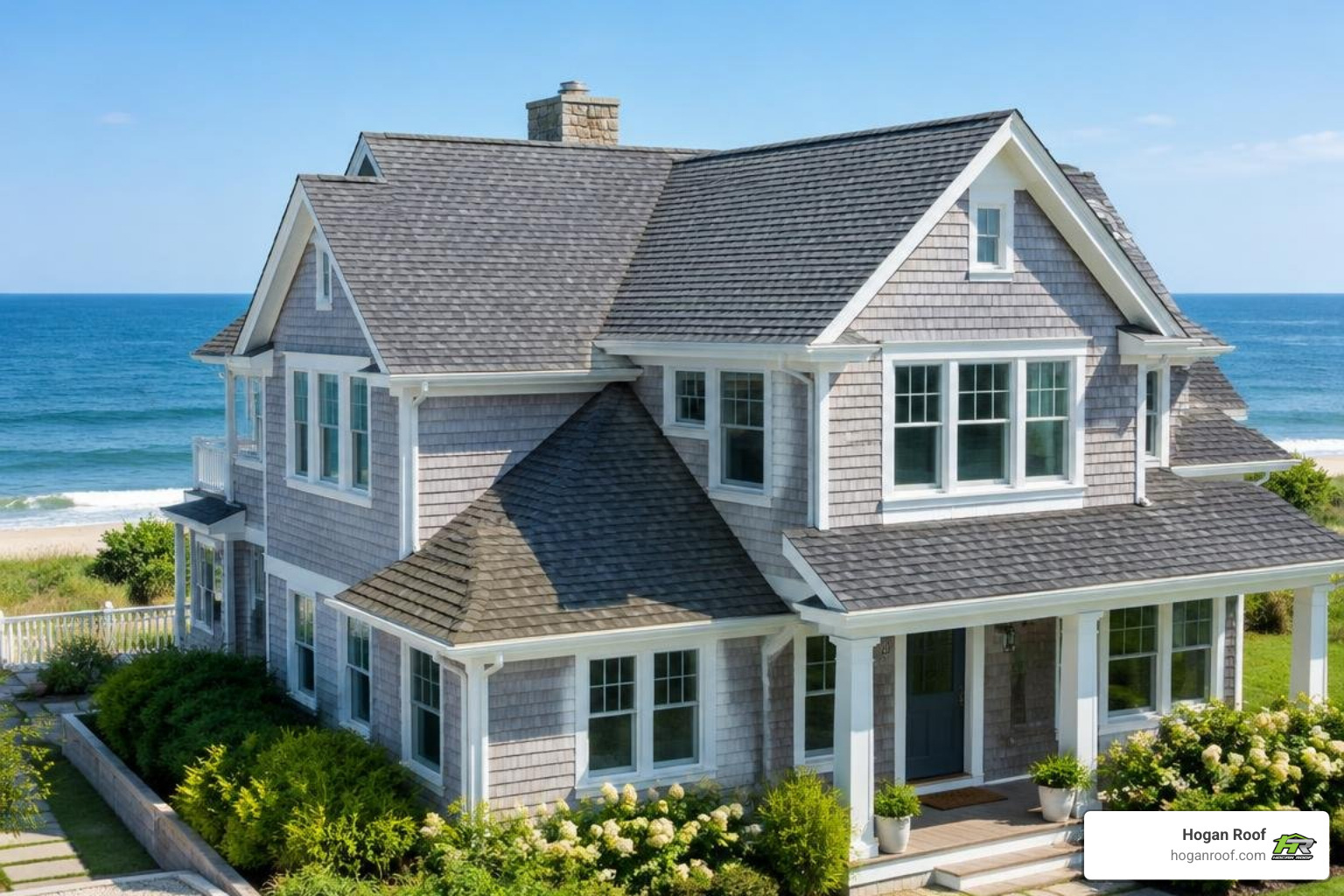
Living on an island comes with scenic views, but our roofs carry the burden of constant exposure to coastal weather patterns. Homes in coastal towns often see roofing lifespans reduced by 5 to 10 years compared to inland regions due to several distinct environmental factors:
- Nor'easters and Severe Wind: Sustained wind gusts loosen shingle seals, cause uplift, and drive rain underneath underlayment.
- Salt Air Corrosion: Airborne salt accelerates the degradation of asphalt granules, oxidizes standard metal flashing, and corrodes exposed fasteners.
- Freeze-Thaw Cycles: Winter brings snow and freezing rain followed by rapid thaws. Water enters microscopic cracks in shingles, expands as it freezes, and breaks down the structural integrity of the material over time.
- Summer Heat and Humidity: Subtropical summer air heats attic spaces above 140 degrees Fahrenheit. Without balanced ventilation, this trapped heat bakes shingles from the underside, causing early blistering and curling.
What Are the Warning Signs Your Roof Needs Replacement?
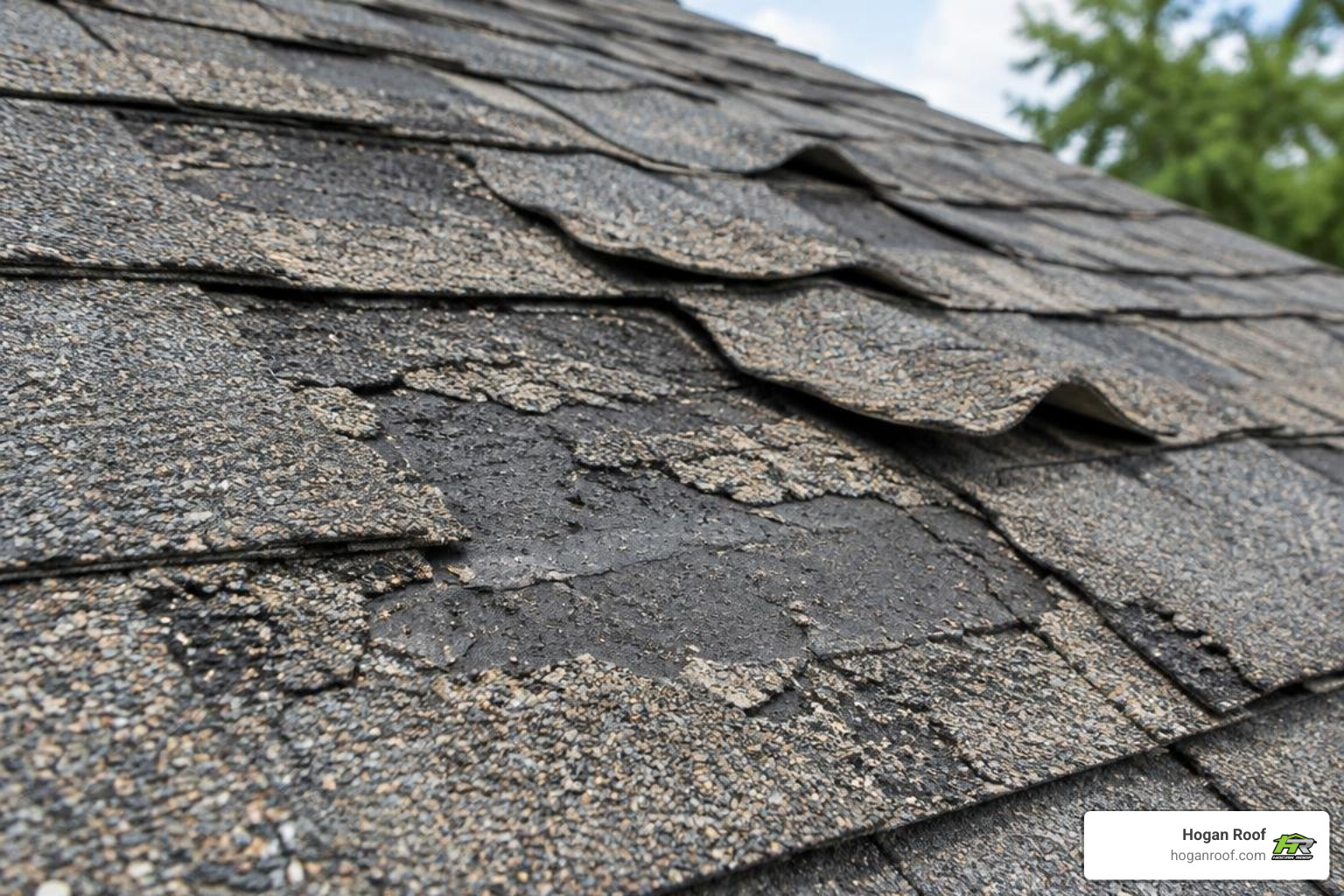
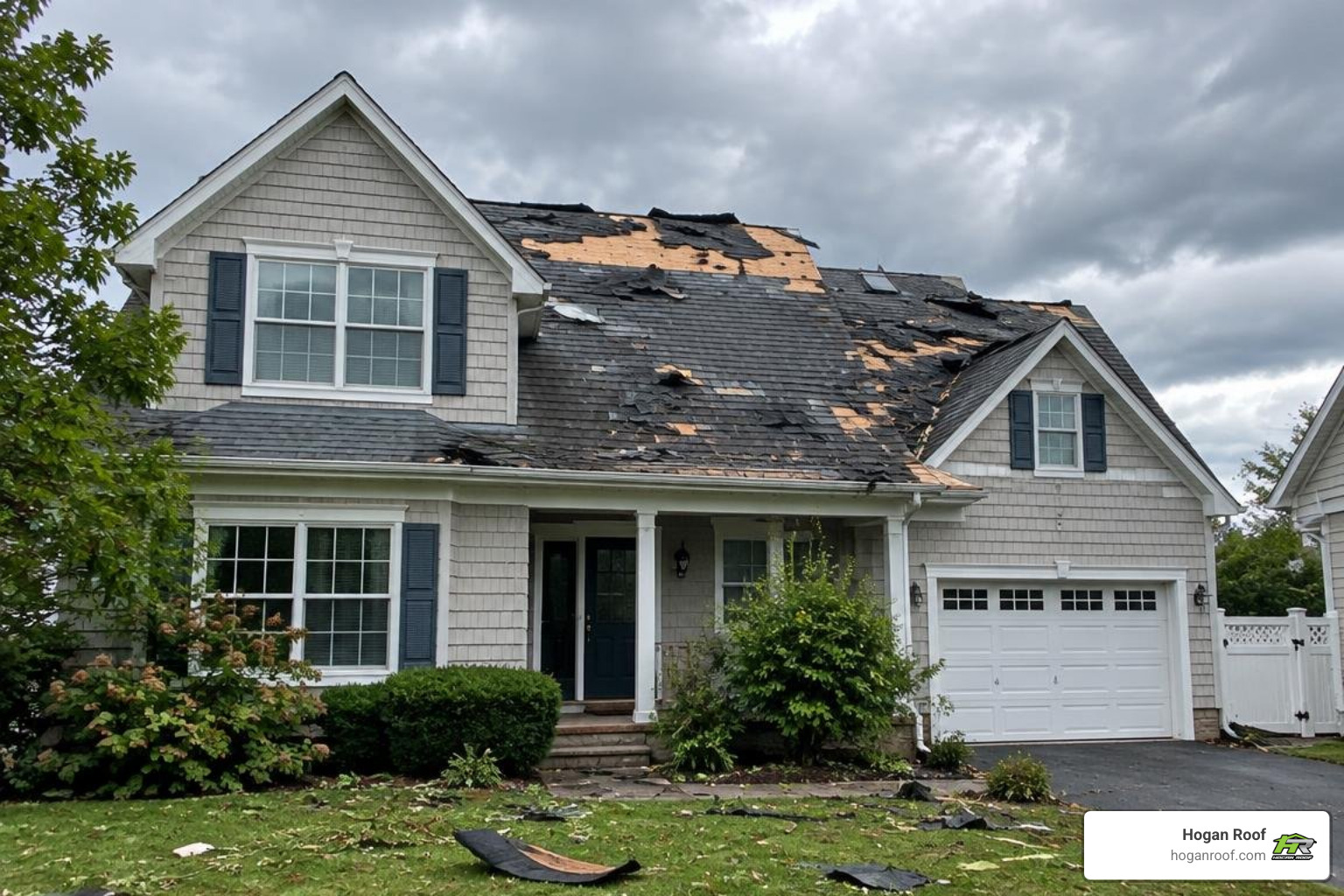
Catching minor issues early prevents expensive interior damage. Common signs that a roof is nearing the end of its useful lifespan include:
- Granule Loss in Gutters: Finding coarse, sand-like granules piling up in gutters or downspouts indicates that the protective top layer has eroded, leaving the asphalt core exposed to UV rays.
- Curling, Cupping, or Cracking: Aging shingles lose flexibility, causing their edges to curl upward or crack under wind pressure.
- Missing or Damaged Shingles: Bare patches on the roof deck leave the underlayment open to sudden rain intrusion.
- Interior Attic Leaks and Water Stains: Discolored ceiling drywall or damp insulation after heavy rain points to hidden flashing or membrane failures.
- Spongy Decking or Sagging Ridges: Soft spots when walking on the roof indicate that moisture has rotted the plywood decking beneath the shingles.
If you notice any of these signs, scheduling a professional new roof inspection provides a clear assessment of your roof's remaining life before leaks worsen.
How Can You Extend the Lifespan of Your Long Island Roof?
Proper maintenance and balanced ventilation can add 3 to 5 years of life to an asphalt shingle roof.
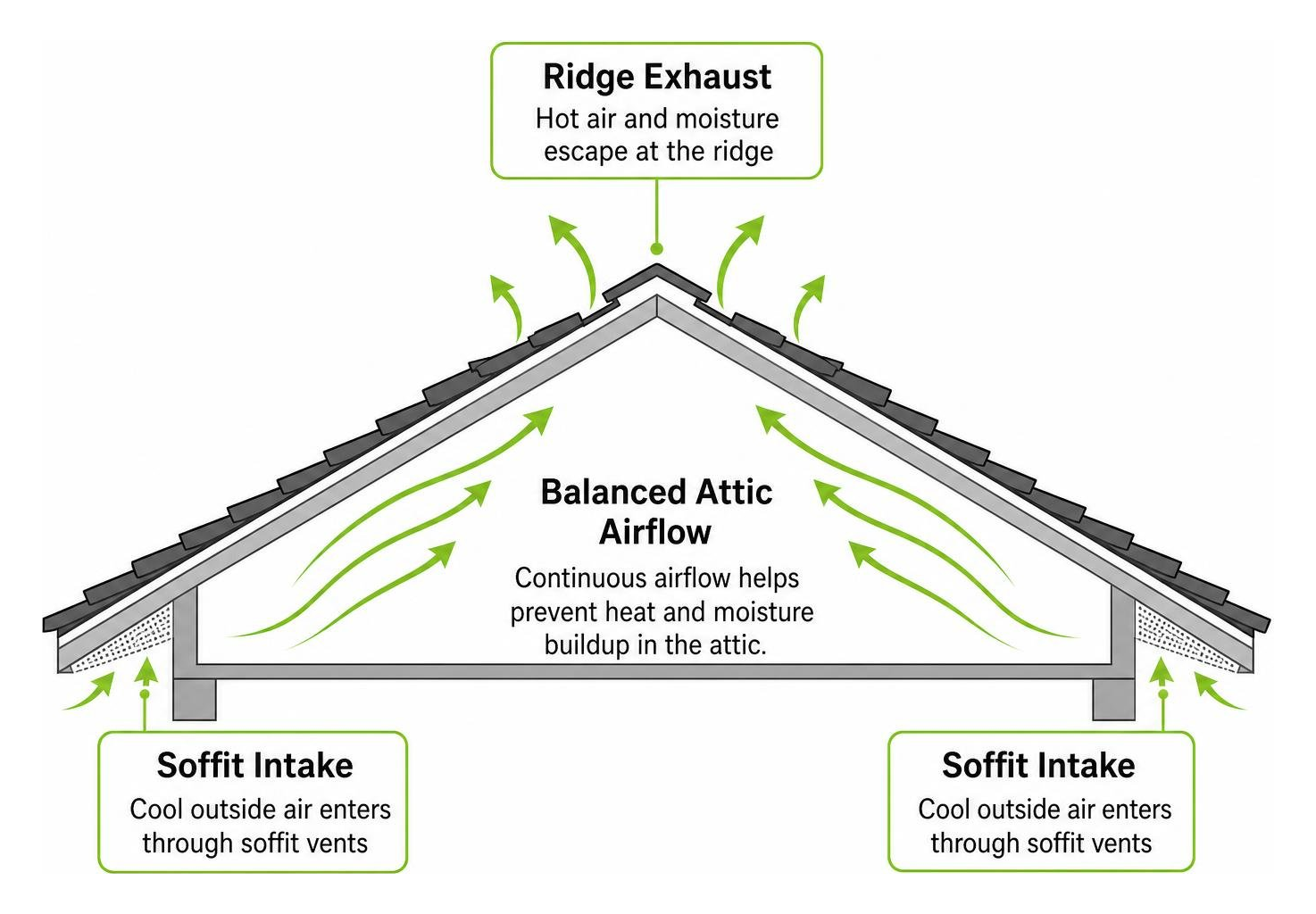
To maximize your roof's performance:
- Balance Attic Ventilation: Continuous airflow through soffit intake vents and ridge exhaust vents prevents hot air and moisture from becoming trapped in your attic.
- Keep Gutters Clear: Clogged gutters cause water to back up underneath the bottom edge of shingles, rotting the fascia boards and roof decking.
- Remove Debris and Moss: Trim overhanging tree branches that drop leaves and create shaded zones where moisture-retaining moss thrives.
- Perform Seasonal Checks: Conducting routine roof maintenance every spring and fall ensures that flashing around chimneys and skylights remains watertight.
What Does a Roof Replacement Cost on Long Island?
The total investment for a roof replacement varies depending on roof square footage, pitch, architectural complexity, and material choice. In our area, average industry costs for an asphalt shingle replacement on a standard single-family home generally fall between $8,000 and $20,000+. Premium materials like standing seam metal, cedar shake, or natural slate carry higher material and labor requirements.
Key variables affecting your overall estimate include:
- Total roof area (measured in roofing "squares," where 1 square equals 100 square feet)
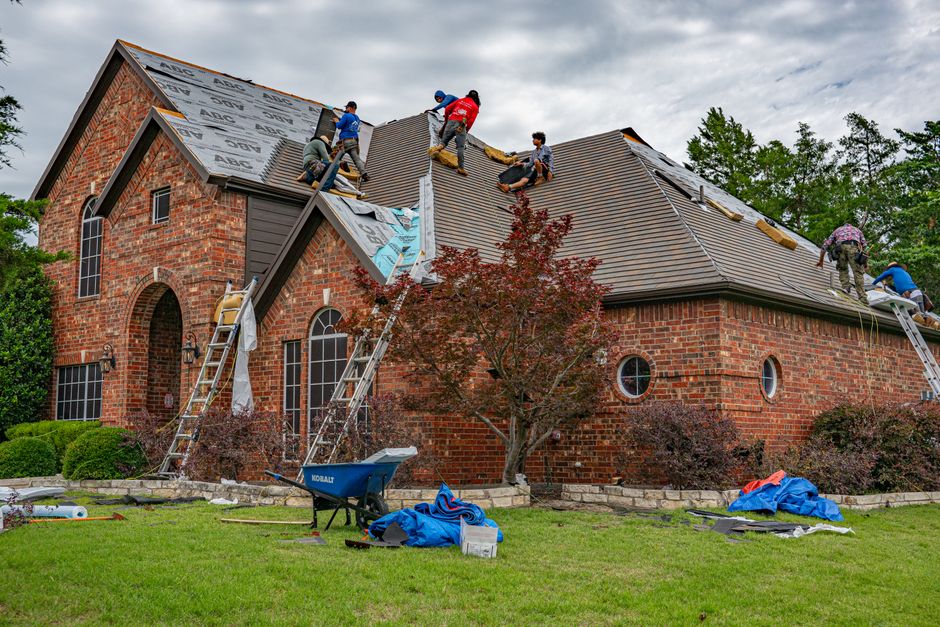
- Tear-off and disposal of existing shingle layers
- Replacement of damaged plywood decking
- Installation of high-grade ice and water shield barriers along eaves and valleys
- Upgraded ridge vents and chimney flashing
For a detailed analysis of local pricing factors, read our roof replacement cost breakdown.
Frequently Asked Questions About Long Island Roof Lifespans
What is the average lifespan of an architectural shingle roof on Long Island?
On Long Island, architectural shingles typically last between 20 and 30 years. Their multi-layered construction delivers superior tear resistance and wind ratings up to 130 mph, protecting homes against coastal storms far better than older 3-tab styles.
How does coastal salt air affect roofing materials?
Salt air accelerates the breakdown of protective mineral granules on asphalt shingles and can corrode standard metal fasteners and valleys. Using corrosion-resistant nails and materials designed for coastal environments prevents premature failure.
When is the best time of year to replace a roof on Long Island?
Late spring and early autumn offer optimal conditions for roof replacements. Moderate temperatures allow asphalt shingle adhesive strips to seal effectively without the thermal shock of mid-summer heat or winter freezes.
Do local building codes on Long Island require a full tear-off?
Most town building codes across Nassau and Suffolk counties permit a maximum of two roofing layers. However, professional contractors recommend a complete tear-off down to the wood deck. This allows thorough inspection of the sheathing and ensures that modern ice and water protection can be applied directly to the wood deck.
Conclusion: Protecting Your Long Island Home with Hogan Roof
- Asphalt shingles last 15–30 years depending on whether 3-tab or architectural shingles are installed.
- Metal, cedar, and slate offer extended lifespans ranging from 20 to 100+ years.
- Coastal salt air and nor'easters make proper installation, ridge ventilation, and seasonal maintenance essential.
Based in Lake Grove, NY, Hogan Roof has served homeowners throughout Nassau County, Suffolk County, and Queens for over 20 years. As an Owens Corning Platinum Preferred Contractor, we install roofing systems designed to withstand the harshest Atlantic weather while backing our workmanship with top-tier warranties.
Ready to check the condition of your roof? Contact Hogan Roof today to schedule a free roof inspection with our local team.