A Homeowner's Guide to Hiring Reliable Asphalt Shingle Roofers
How to Find Reliable Asphalt Shingle Roofers

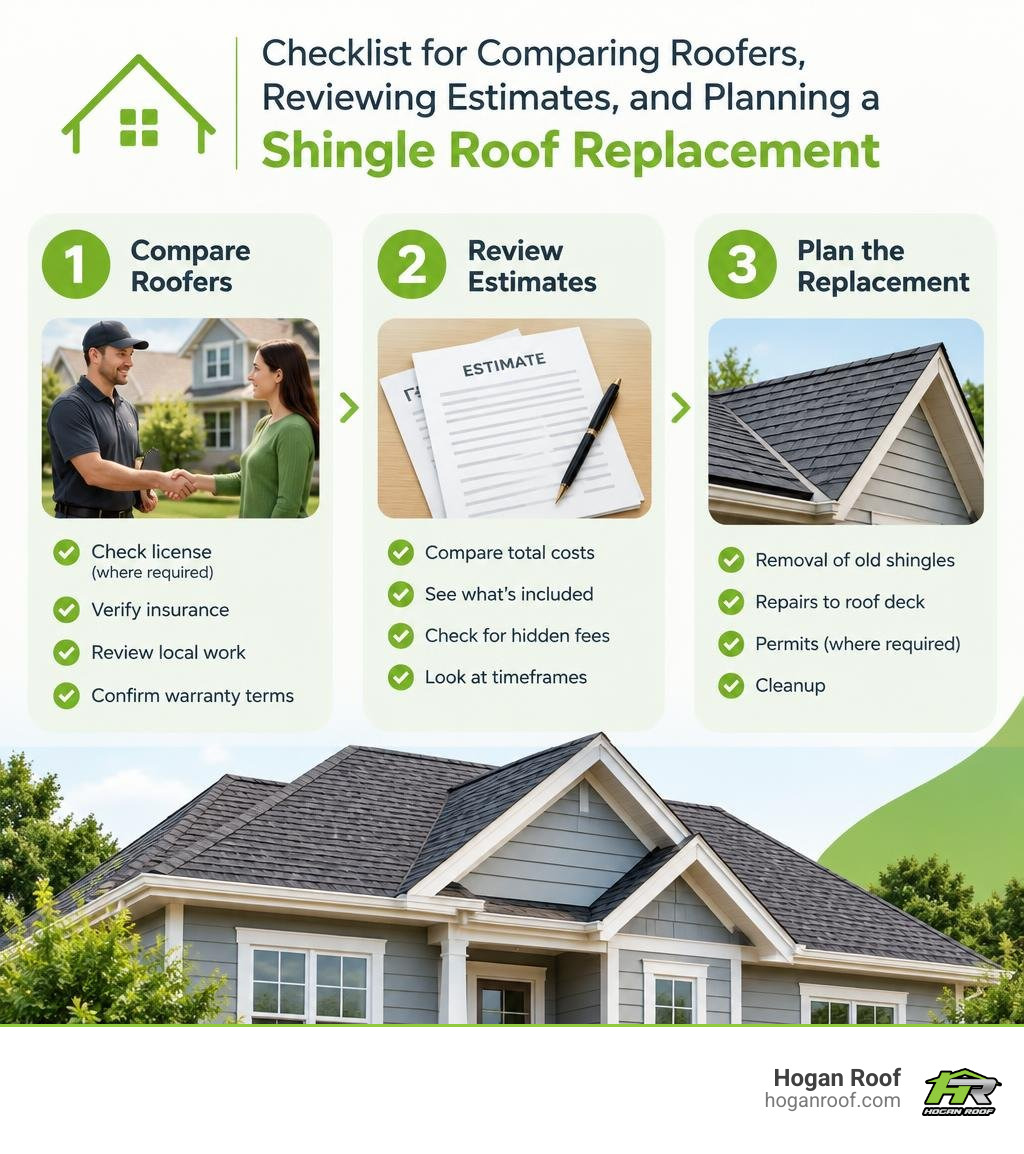
To find reliable asphalt shingle roofers, get at least three written estimates . Check each roofer's license where required, insurance, recent local work, and warranty terms. Ask what the price covers, including removal of old shingles, repairs to the roof deck, permits, and cleanup.
Asphalt shingles are a popular choice because they offer a range of prices and styles. But the roofer you hire matters just as much as the shingle you choose. This guide will help you compare options, costs, and the questions worth asking before work begins.
I'm Bill Hogan, owner of Hogan Roof. I've spent over 20 years working in roofing across New York, New Jersey, and Connecticut, and I'll share what homeowners should look for when choosing asphalt shingle roofers.
Why Asphalt Shingles Remain the Top Residential Choice
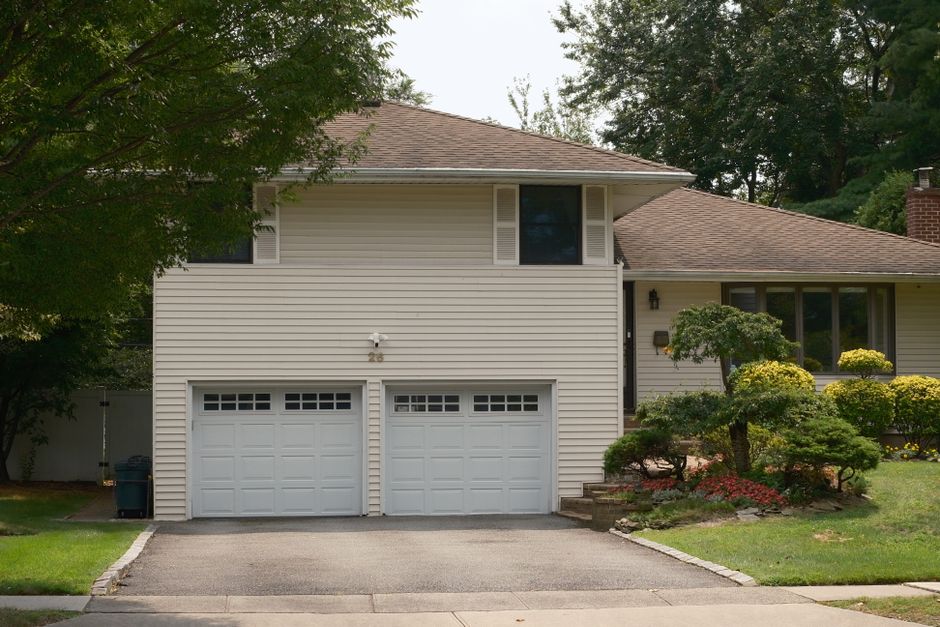
When it comes to covering American homes, asphalt shingles have held the crown for decades—and for good reason. They hit the sweet spot between upfront affordability, dependable weather performance, and versatile curb appeal. Whether you own a classic colonial, a modern split-level, or a cozy ranch, modern residential roofing systems built with asphalt can match virtually any architectural style without breaking the bank.
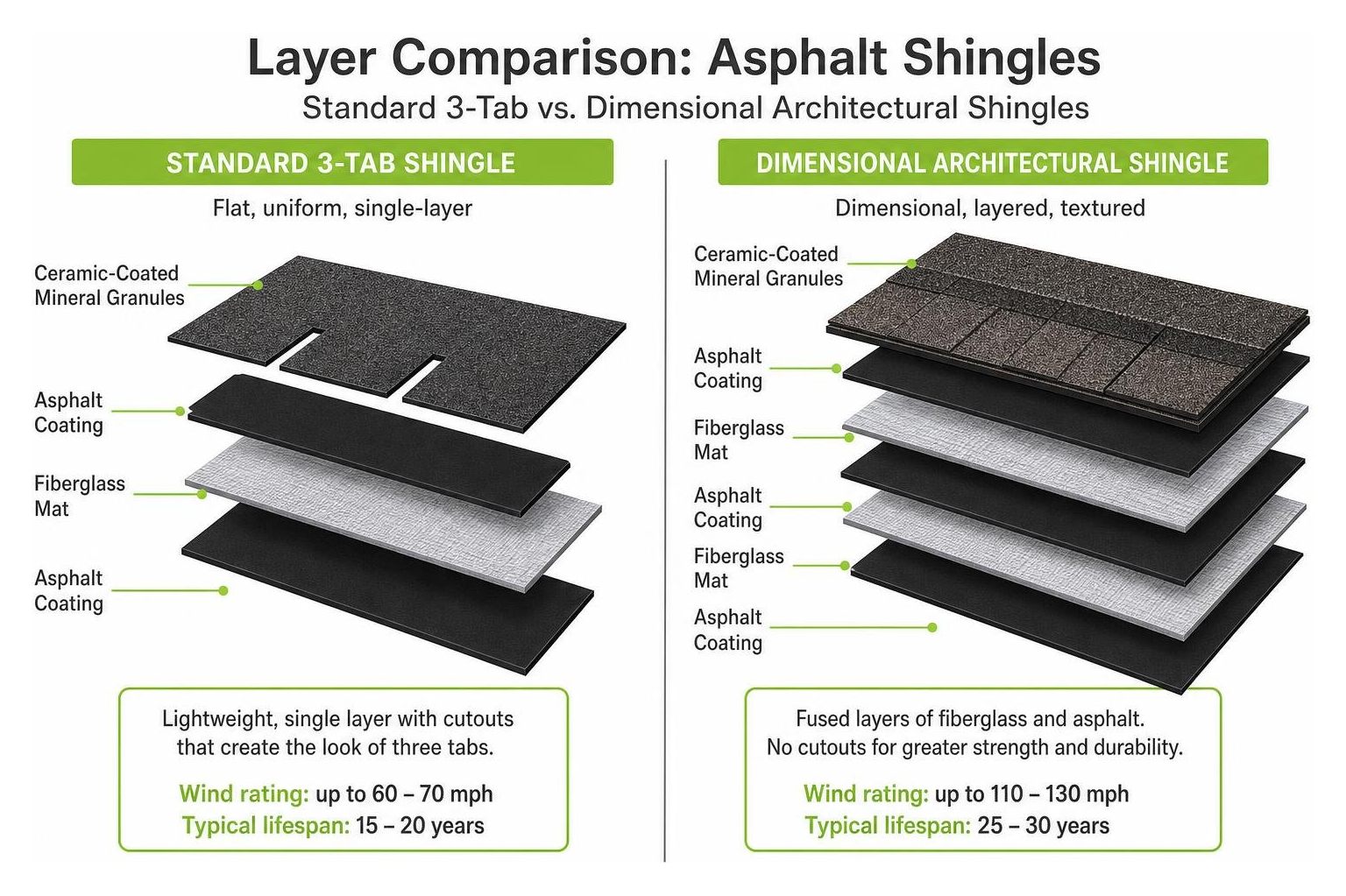
Asphalt roofing combines a sturdy fiberglass mat base, waterproof asphalt coating, and ceramic-coated mineral granules that shield your home from harmful UV rays and harsh elements. According to technical standards established by industry leaders like The Asphalt Roofing Manufacturers Association: ARMA, modern shingle systems are engineered to resist algae growth, reflect solar heat, and withstand heavy winds.
| Feature / Metric | Traditional 3-Tab Shingles | Architectural (Laminated) Shingles | Premium / Designer Architectural |
|---|---|---|---|
| Typical Lifespan | 15 – 20 Years | 25 – 30 Years | 30 – 50 Years |
| Wind Resistance Rating | Up to 60 – 70 mph | Up to 110 – 130 mph | Up to 130+ mph |
| Aesthetic Profile | Flat, uniform, single-layer | Dimensional, layered, textured | Multi-layer, mimics slate/wood shake |
| Impact Resistance | Standard Class 1–3 | Class 3 or Class 4 (Impact-Rated) | Class 4 (Highest impact rating) |
| Relative Material Cost | Lowest upfront cost | Moderate (15–25% more than 3-tab) | Higher investment |
Beyond pure aesthetics, asphalt shingles excel in cost efficiency compared to alternative materials. While materials like metal can last 40 to 70 years and slate or tile can reach 50 to 100 years, their upfront installation costs are often double or triple those of asphalt. For most homeowners looking for a balanced return on investment, asphalt remains the practical and high-performing standard.
Comparing 3-Tab vs. Architectural Shingle Options
Understanding the physical build of your shingles helps you choose the right balance of cost and durability. Traditional three-tab shingles are manufactured as a single flat layer with cutouts that create the look of three individual rectangular tabs. Because they are lightweight and thin, they typically carry wind ratings between 60 and 70 mph and last about 15 to 20 years under normal weather conditions.
In contrast, architectural shingles—also known as dimensional or laminated shingles—are crafted by fusing two or more layers of fiberglass and asphalt together. This construction eliminates the open cutouts, significantly boosting their structural rigidity. Architectural shingles deliver distinct shadow lines, mimic the appearance of authentic wood shake or slate, and feature wind warranties up to 130 mph.
Comparing Asphalt Shingle Options
When deciding between standard three-tab shingles and architectural lines, consider both the upfront investment and your long-term plans for the property:
- Upfront Cost: Three-tab shingles provide the absolute lowest entry point for a roof replacement, making them popular for rental properties, outbuildings, or tight budgets.
- Longevity Differences: Architectural shingles consistently deliver an extra 10 to 15 years of serviceable life. When amortized over decades, architectural shingles frequently yield a lower annual cost of ownership.
- Maintenance Needs: Due to their lighter profile, three-tab shingles are more prone to wind blow-offs and creasing during seasonal storms, which can lead to higher long-term repair costs compared to thicker laminated options.
What to Look for When Hiring Asphalt Shingle Roofers
A high-performance shingle is only as good as the crew installing it. Even premium shingles will fail prematurely if improperly nailed, poorly ventilated, or installed over compromised decking. Finding qualified asphalt shingle roofers requires evaluating credentials, licensing, local experience, and workmanship protections.
When vetting local contractors, verify these core credentials:
- Licensing and Active Insurance: Never work with an uninsured contractor. Ensure the roofer carries both active general liability insurance and comprehensive workers' compensation coverage to protect you from financial liability in case of an accident.
- Manufacturer Certifications: Roofing manufacturers grant certified badges (such as Owens Corning Platinum Preferred status) only to top-tier contractors who maintain high financial stability, undergo ongoing product training, and demonstrate proven installation track records.
- Local Physical Presence & Track Record: Reliable roofers maintain an established footprint in your region. Contractors with decades of local experience understand regional weather vulnerabilities, such as coastal humidity, winter ice dams, and severe summer storms.
Essential Questions to Ask Asphalt Shingle Roofers
Before signing a contract, ask these direct questions to protect your investment:
- What does your workmanship warranty cover? Manufacturer warranties generally cover material defects, but your contractor's workmanship warranty protects against installation mistakes, improper fastening, and flashing errors.
- How do you protect my landscaping and manage site cleanup? A professional crew uses tarps, plywood shielding, and rolling magnetic sweeps to collect stray nails and discarded shingles daily.
- Who will manage the job site on installation day? Always ask whether a dedicated project manager or foreman will be on-site to oversee the crew and answer your questions.
- Is the estimate fixed and comprehensive? Ensure your written proposal details the specific shingle brand, underlayment type, ice-and-water barrier placement, ventilation upgrades, permit fees, and cleanup costs.
How Asphalt Shingle Roofers Manage Storm Damage and Insurance Claims
Severe wind and hail can compromise your roof's integrity, cracking shingle mats and causing excessive granule loss that exposes underlying asphalt to moisture and UV degradation. Dealing with insurance claims can be stressful, but experienced roofing professionals help you navigate every phase of the process.
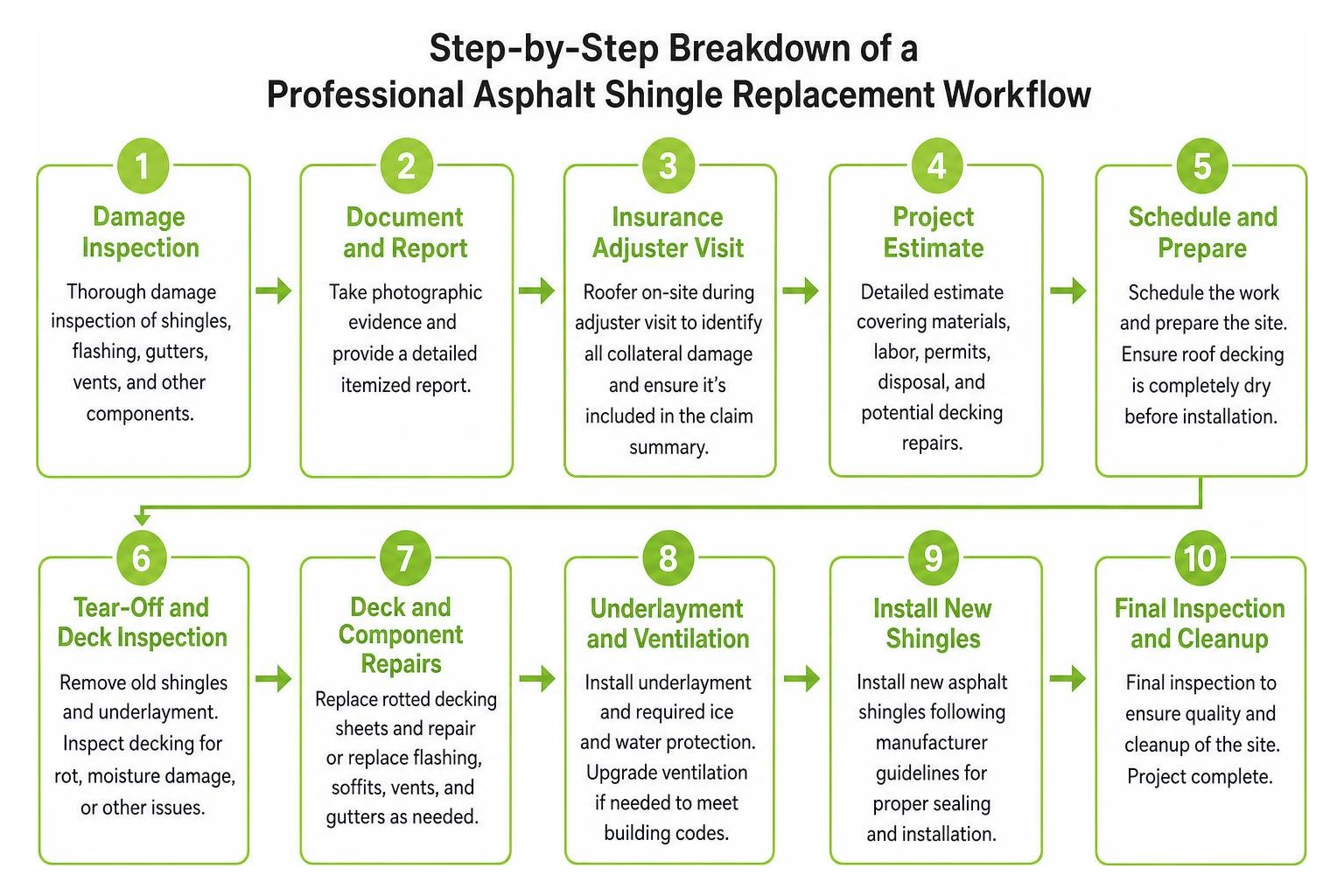
A reputable roofer will conduct a thorough damage inspection, take photographic evidence of bruised or missing shingles, and provide a detailed itemized report. During the insurance adjuster's visit, having your roofing contractor on-site ensures all collateral damage—including damaged flashing, dented gutters, and compromised vents—is properly identified and factored into your claim summary.
Understanding Asphalt Shingle Roof Costs and Timelines
Roof replacement costs vary based on home size, roof slope, architectural complexity, and material choices. Nationally, most asphalt shingle replacements average between $4 and $12 per square foot for materials and labor combined.
For a complete replacement on a standard gable roof, total project costs generally range between $13,000 and $30,000. When calculating expenses, you can review estimating new roof replacement costs to see how various material tiers influence your bottom line. Additionally, checking regional installation benchmarks from HomeAdvisor gives you a clear sense of how local labor rates shape overall pricing.
Average Installation Timeline and Weather Factors
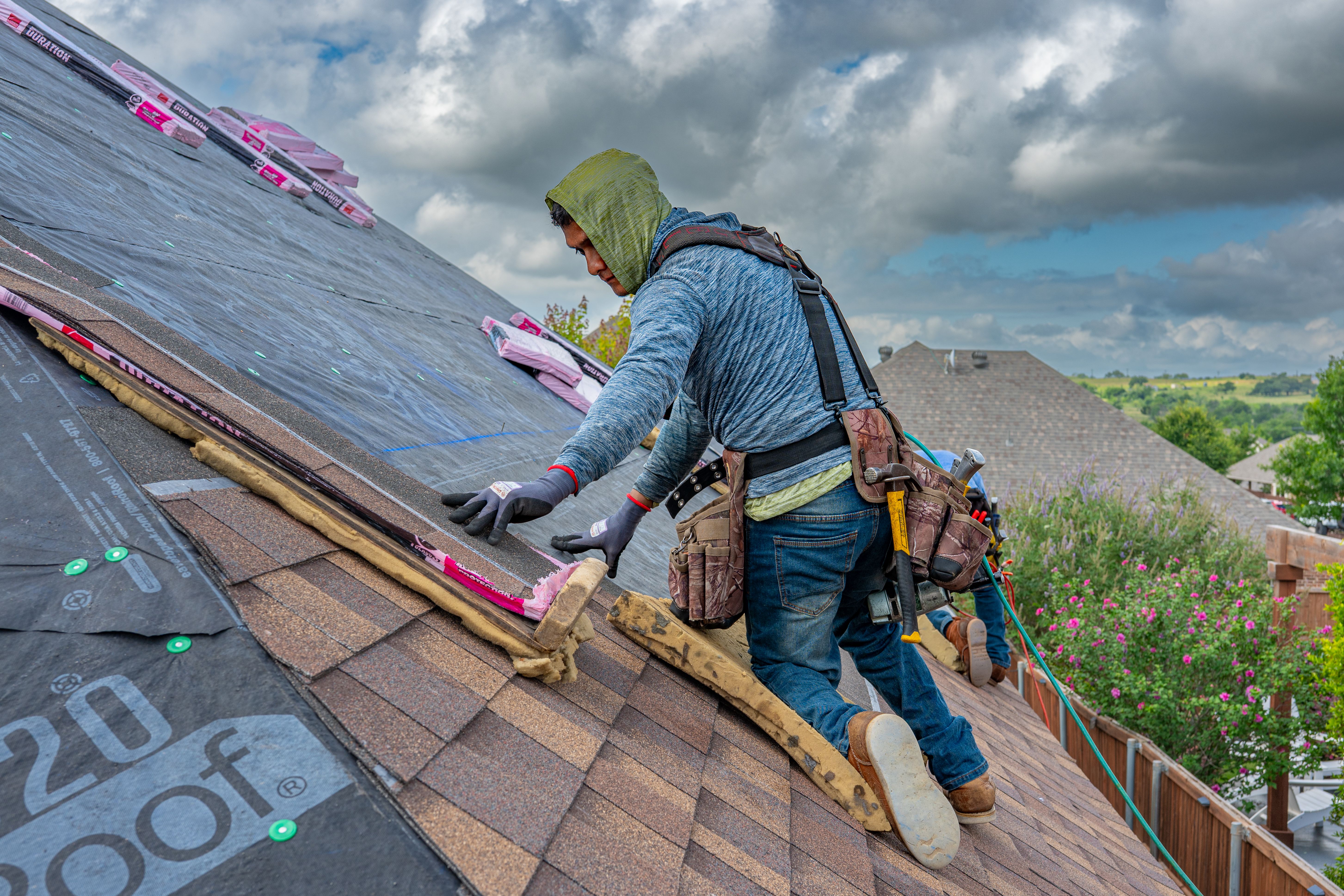
A common concern for homeowners is how long their property will remain an active construction zone. On a standard single-family home with moderate pitch, experienced crews can typically complete an asphalt shingle tear-off and replacement in 2 to 3 days . Minor repairs and leak patches are routinely finished within a single day, while complex roofs with steep pitches, dormers, or multiple valleys can take 4 to 5 days.
Weather plays a critical role in scheduling:
- Dry Deck Requirement: Roof decking must be completely dry before felt or synthetic underlayment is applied. Installing materials over damp wood traps moisture, risking dry rot and voiding manufacturer warranties.
- Temperature Considerations: Asphalt shingles require solar warmth for their thermal sealant strips to activate and bond properly. While modern cold-weather adhesives allow for winter work, installations in extreme sub-freezing temperatures demand special handling and hand-sealing.
Uncovering Hidden Costs and Decking Repairs
No matter how thorough an initial estimate is, some conditions cannot be seen until the old shingles are torn away. Transparent roofers will discuss these common hidden expenses up front:
- Rotted Roof Decking: Moisture leaks or chronic condensation often rot the underlying plywood or OSB sheathing. Review our guide on expectations during roof deck replacement to understand per-sheet replacement costs.
- Damaged Flashing and Soffits: Valley metal, step flashing along chimneys, and rotted fascia boards frequently need replacement to maintain a watertight seal.
- Ventilation Upgrades: Inadequate attic ventilation traps heat and moisture, accelerating shingle decay. Installing continuous ridge vents or soffit intake vents may be required to meet building codes.
- Permit and Disposal Fees: Local municipal building permits and commercial dumpster disposal fees should always be clearly accounted for in your contractor's quote.
Budgeting and Payment Solutions for Roof Replacement
A new roof is a major home investment, but you don't have to put off essential protection due to upfront cash constraints. Many homeowners explore homeowner roofing financing options to find manageable monthly payment plans, low-interest terms, or zero-down financing. Structuring predictable payments allows you to invest in higher-tier architectural shingles and comprehensive warranties that protect your home over the long run.
Essential Maintenance to Maximize Shingle Lifespan
While asphalt shingles are relatively low-maintenance, simple routine care goes a long way toward maximizing their lifespan and preventing small issues from turning into costly structural repairs. Minor maintenance between $386 and $1,875 can often prevent thousands of dollars in premature replacement costs.
Follow these simple homeowner maintenance practices:
- Keep Gutters Clear: Clogged gutters cause water to back up under the bottom edge of your roof (the eave), rotting the sub-fascia and underlying decking. Clean your gutters at least twice a year, especially in late autumn.
- Remove Debris Promptly: Leaves, pine needles, and branches trap moisture against the shingles, encouraging moss and rot. Use a leaf blower or soft-bristled roof rake from a safe vantage point to keep valleys and slopes clear.
- Trim Overhanging Branches: Trees provide shade, but swaying limbs can scrape ceramic granules off shingles during high winds. Keep branches trimmed at least 6 to 10 feet away from your roofline.
- Schedule Routine Inspections: Partnering with a professional team for routine roof maintenance ensures that failing pipe boot seals, loose flashing, and cracked shingles are caught early. If you recently had work done, familiarizing yourself with post-installation roof inspection techniques helps verify that proper fastening and alignment standards were met.
Frequently Asked Questions About Asphalt Shingle Roofing
How long does an asphalt shingle roof typically last?
A standard 3-tab asphalt shingle roof typically lasts 15 to 20 years, while laminated architectural shingles routinely last 25 to 30 years. Premium designer shingles can reach up to 40 or 50 years with regular maintenance. Lifespan is also influenced by local climate, sun exposure, and attic ventilation.
Can asphalt shingles withstand severe wind and hail?
Yes, modern architectural shingles are rated to withstand winds between 110 and 130 mph. For areas prone to severe storms, impact-resistant Class 4 shingles feature reinforced polymer backing designed to resist hail strikes and minimize granule loss.
How do I know if my roof needs repair or complete replacement?
Isolated issues like a few wind-damaged shingles or a leaking pipe boot can usually be resolved with a targeted repair. However, if your roof is over 20 years old, actively sagging, shedding extensive granules into your gutters, or suffering from widespread curling and cracking across multiple slopes, a complete roof replacement is generally the most cost-effective and secure solution.
Conclusion
Replacing or repairing your roof protects your largest financial investment—your home. By understanding the differences between shingle tiers, asking the right questions about insurance and warranties, and watching for hidden decking issues, you can plan your roofing project with total confidence.
At Hogan Roof, our team brings over 20 years of dedicated experience to every project across New York, New Jersey, and Connecticut. As an Owens Corning Platinum Preferred Contractor, we combine top-tier materials with expert craftsmanship, transparent financing, and complimentary home inspections. Explore our trusted residential roofing services to schedule your inspection and secure reliable protection for your home today.