Roof Repair: Signs of Damage, Costs and When to Call a Pro
Roof Repair: What to Do When You Spot Damage

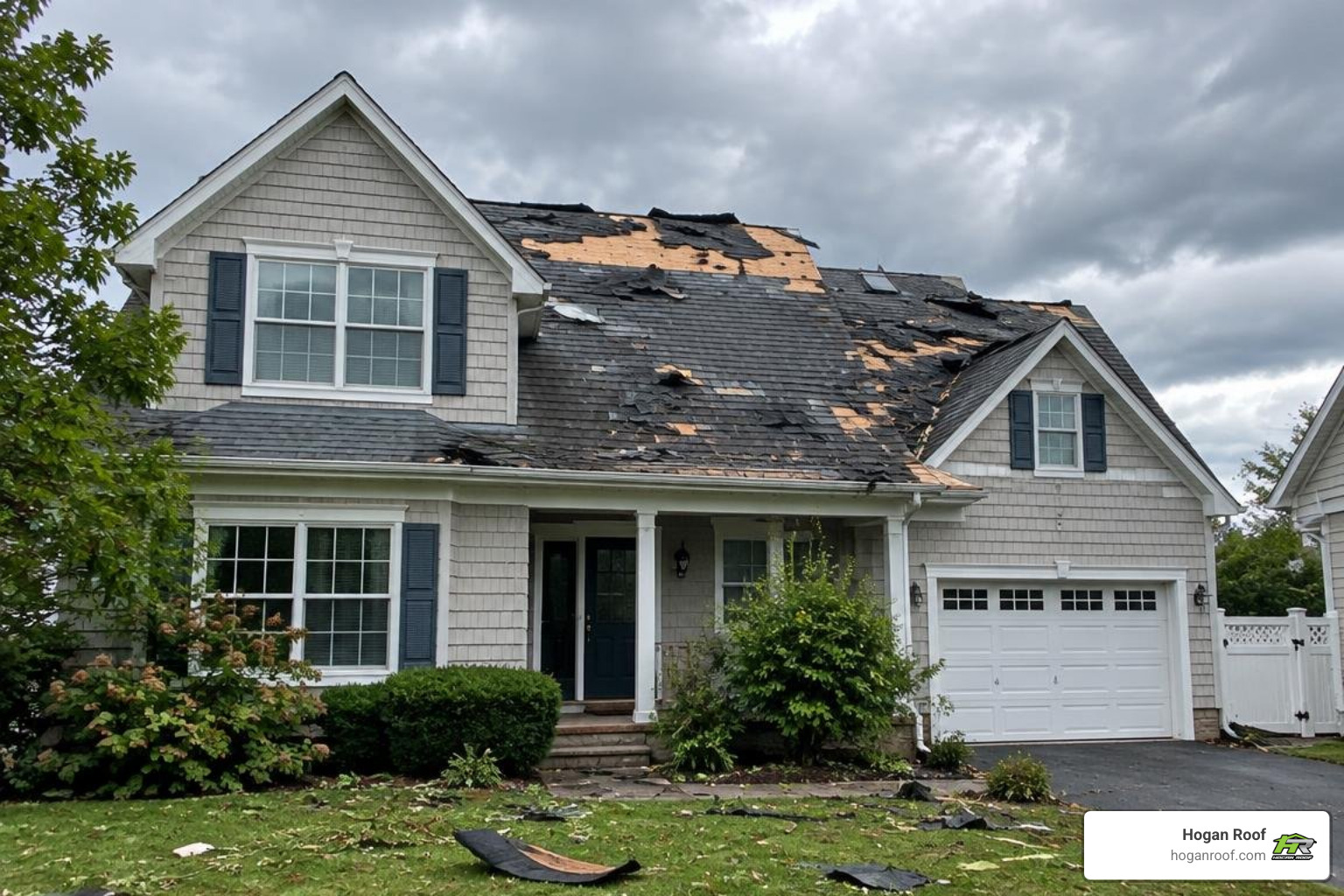
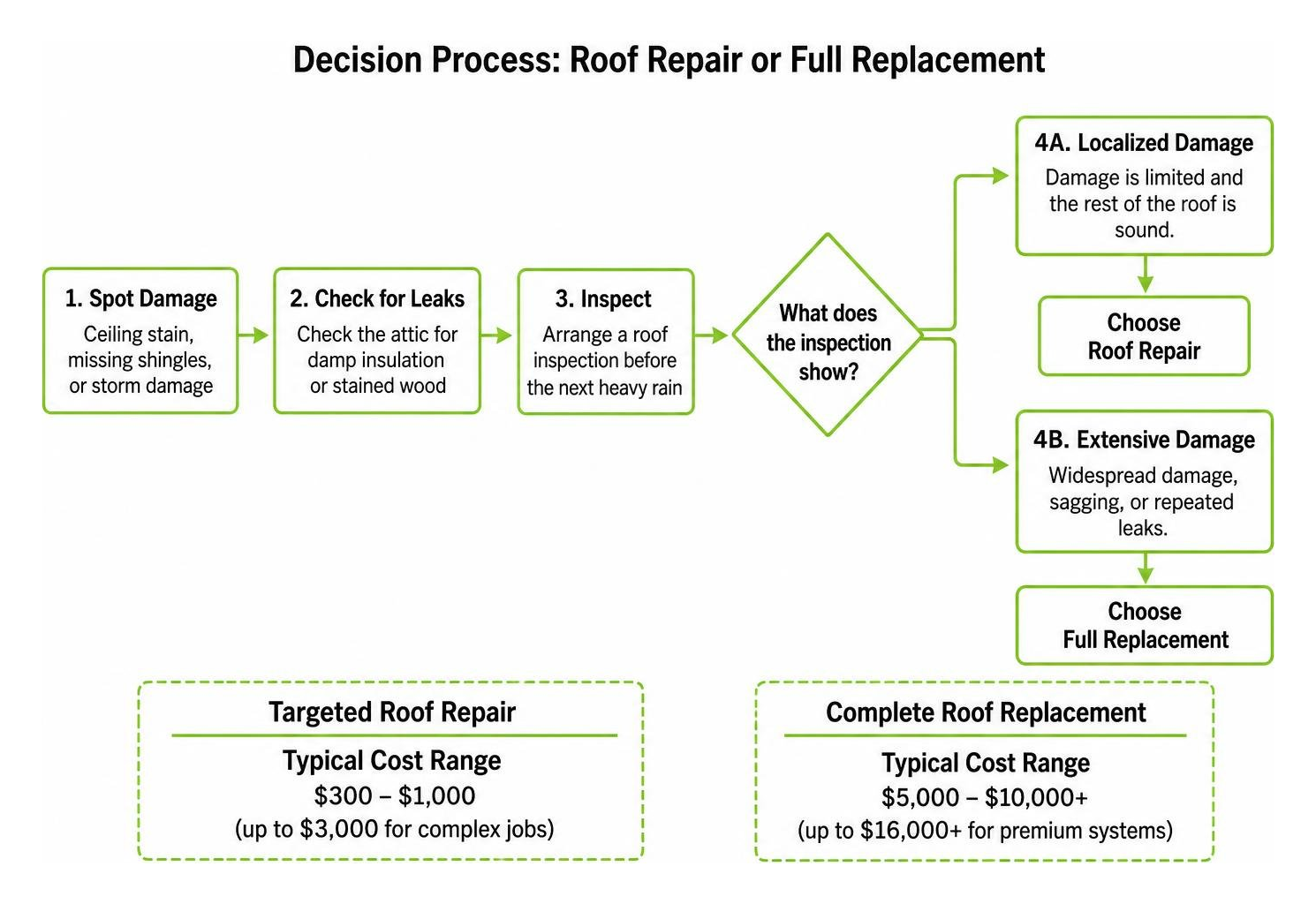
If you see a ceiling stain, missing shingles, or storm damage, arrange a roof inspection before the next heavy rain. From inside, check the attic for damp insulation or stained wood. Stay off a wet or steep roof. Roof repair often makes sense when damage is limited and the rest of the roof is sound. Widespread damage, sagging, or repeated leaks may point to a full replacement.
I’m Bill Hogan, owner of Hogan Roof. I’ve spent over 20 years helping homeowners and businesses across Long Island and Queens make sound roof repair decisions.
Roof Damage vs. Full Replacement: Key Signs and Cost Comparisons
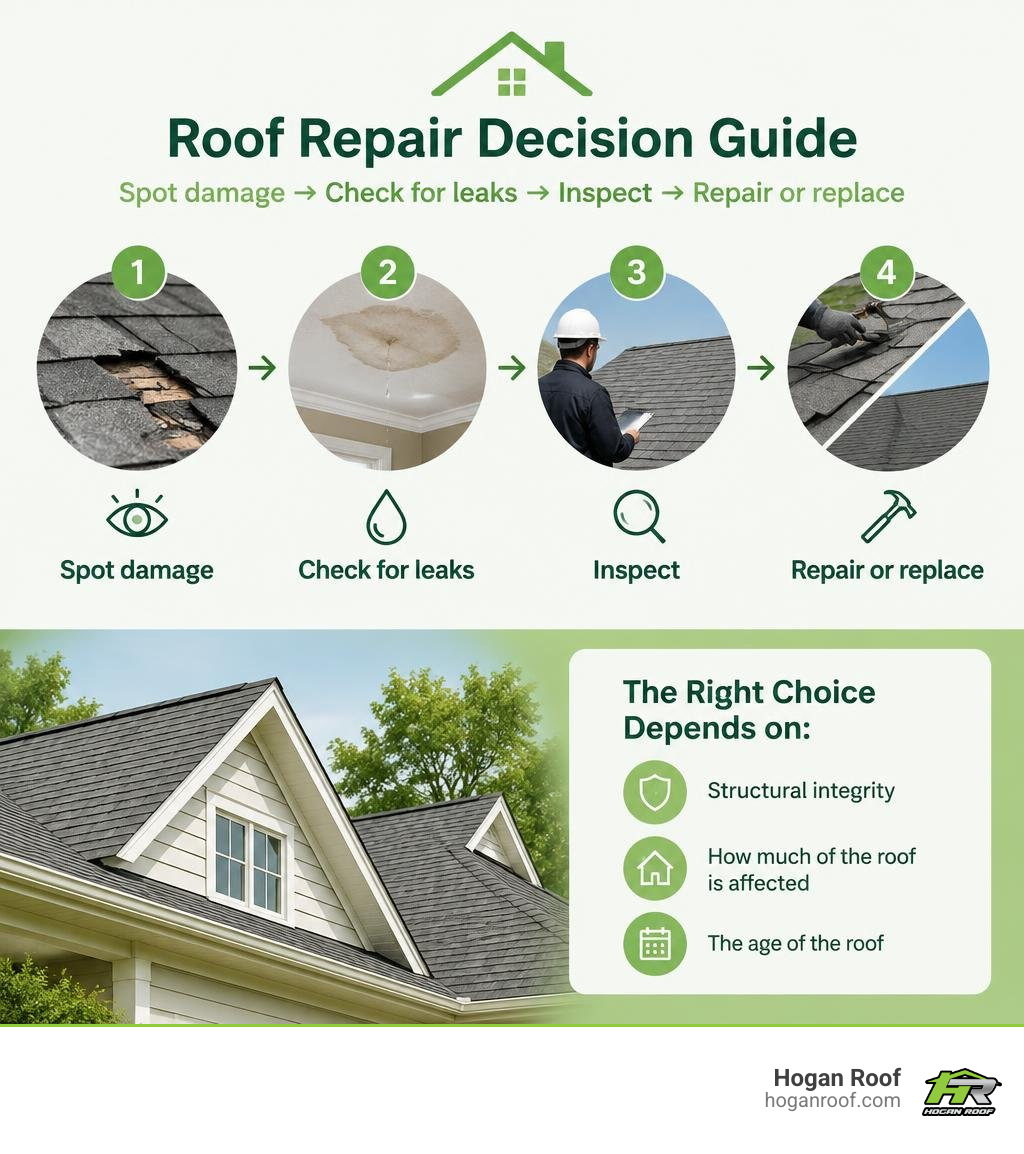
When water infiltrates your property, deciding between a targeted repair and a full teardown comes down to structural integrity, the overall surface area affected, and the age of the roofing assembly. Water intrusion rarely stays isolated; it migrates across moisture barriers, rots wooden decking, and saturates attic insulation.
A thorough attic inspection reveals early structural warning signs long before water drips onto your living room floor. Dark water rings along attic rafters, damp insulation, rusted nail shanks protruding through the plywood, and visible deck sagging all signal that moisture has penetrated the outer roofing layer.
| Metric / Consideration | Targeted Roof Repair | Complete Roof Replacement |
|---|---|---|
| Typical Cost Range | $300 – $1,000 (up to $3,000 for complex jobs) | $5,000 – $10,000+ (up to $16,000+ for premium systems) |
| Time to Complete | 1 to 4 hours (same-day service) | 1 to 3 days |
| Surface Area Affected | Isolated area (under 25–30% of total roof) | Widespread damage (exceeding 30% of surface) |
| Expected Lifespan | 5 to 15 years for the repaired section | 20 to 50+ years (material dependent) |
| Permits Required | Rarely required for minor patches | Standard requirement across most municipalities |
Assessing Damage Scope, Shingle Flexibility, and Roof Age
A practical benchmark in the roofing industry is the 30% threshold. If physical damage, granule loss, or rot spans less than 30% of your total roof surface, a localized fix is almost always the most cost-effective path forward. Beyond that point, isolated patches become short-lived band-aids on a failing system.
To evaluate whether aging materials can handle a patch, test shingle flexibility on the sun-exposed side of the roof. If shingles bend smoothly without snapping, the asphalt core remains pliable and receptive to repair work. If they crack, snap, or shed excessive mineral granules when lifted gently, the roof is nearing the end of its useful service life. Explore our residential roofing options if your shingles have become brittle across entire slopes.
Cost Comparison: Minor Fixes vs. Complete Overhauls
The average roof repair cost ranges from $300 to $1,000 for standard fixes like resealing a pipe boot or replacing a cluster of wind-blown shingles. More complex repairs involving rotted valleys or multi-layered underlayment replacement can reach up to $3,000.
A full replacement requires a larger investment, typically starting between $5,000 and $10,000 and climbing higher for specialty materials, architectural designs, or complex roof lines. Labor expenses, permitting fees, waste disposal, and underlying structural repairs all contribute to the final bill. You can learn more about estimating roof replacement cost or review a comprehensive roof replacement cost breakdown to plan your budget with confidence.
Common Structural Issues and Essential Roof Repair Solutions
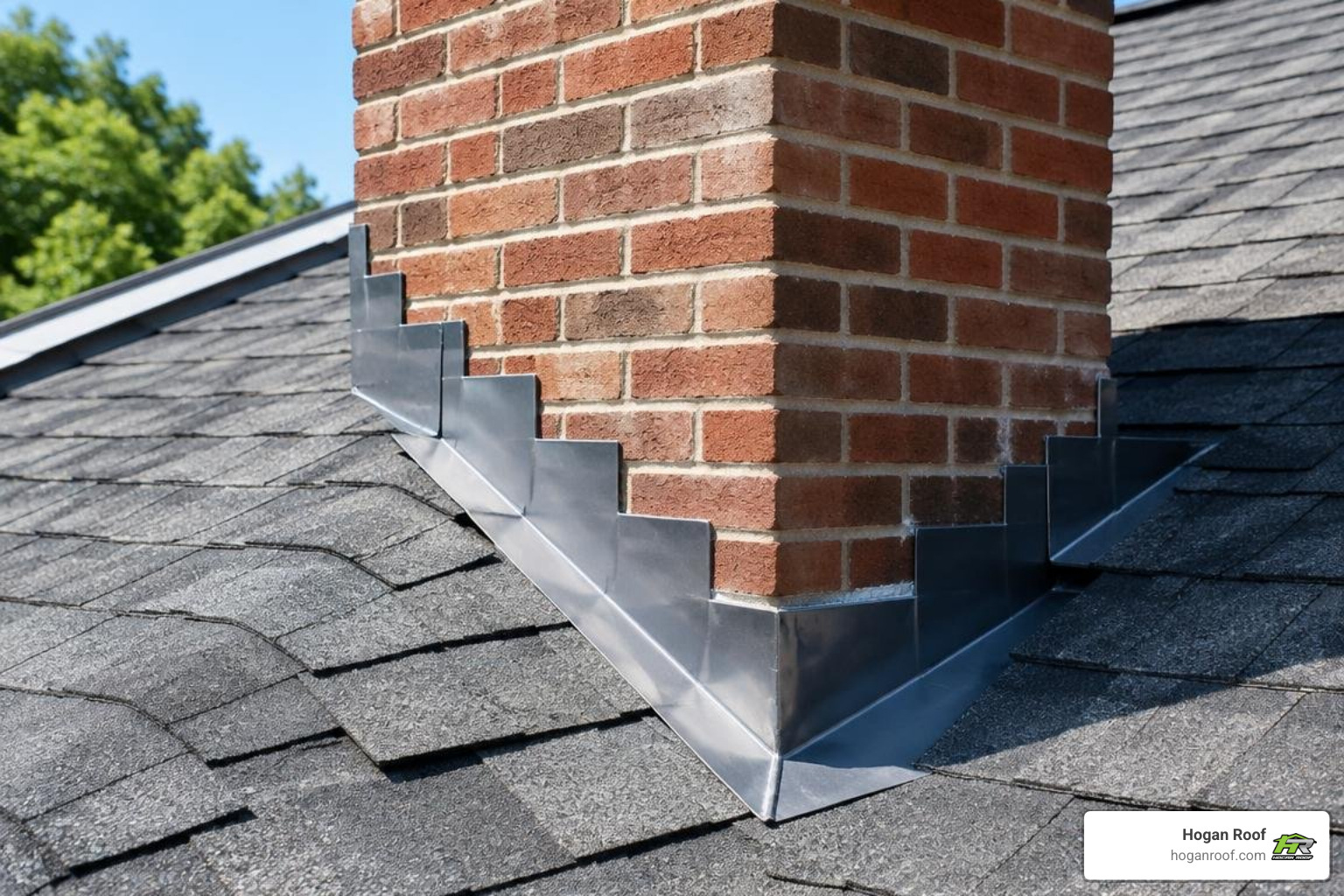
Roofs are dynamic barrier systems made up of shingles, underlayment, drip edges, and custom metal flashing. When one piece fails, water exploits gravity and capillary action to find a path indoors.
Valleys, roof penetrations, and transitions are particularly vulnerable. A single cracked seal around an exhaust pipe or punctured underlayment can introduce significant water volume during a sustained downpour. When moisture reaches the structural timber beneath, it can necessitate underlying decking replacement to ensure the roof stays structurally sound.
Pinpointing and Sealing Hidden Water Infiltration
Water rarely travels straight down. It often enters through a crack high up on a roof slope, runs along the top of an attic rafter, and drips through drywall several feet away from the initial exterior breach.
To track down tricky leaks:
- Inspect the attic during daylight hours with the interior lights turned off to spot sunlight piercing through the roof deck.
- Look for black mold growth, white mineral streaks (efflorescence), or rusted framing nails.
- Use an electronic moisture meter along ceiling drywall to map wet patches after rain.
Ignoring minor leaks creates hidden expenses. A single untreated roof leak can increase monthly heating and cooling expenses by up to $100 as damp insulation loses its thermal resistance (R-value). Even worse, hidden moisture behind drywall can trigger mold remediation projects that run upwards of $8,000.
Step-by-Step Shingle Roof Repair Techniques
When an individual asphalt shingle cracks or tears, prompt replacement prevents water from penetrating the underlying felt. Here is how a professional crew executes a clean, lasting fix:
- Break the Seal : Carefully slide a flat pry bar beneath the damaged shingle to break the adhesive sealant strip connecting it to the course below.
- Remove the Fasteners : Lift the shingle slightly to locate the roofing nails. Slide the pry bar under each nail head, pop the fastener free, and remove the damaged section.
- Prep the Area : Clear away any old, brittle asphalt remnants or exposed nail shanks to ensure the new shingle sits flush against the deck.
- Slide the Replacement In : Slip the matching replacement shingle into place, aligning its lower edge precisely with the adjacent course.
- Fasten with Galvanized Nails : Secure the shingle using four to six hot-dipped galvanized roofing nails placed just below the adhesive strip line.
- Apply Roofing Cement : Dab roofing cement beneath the shingle tabs and over every exposed nail head to create a watertight seal.
For detailed homeowner tips on minor DIY patch methods, see this guide to asphalt shingle roof repairs.
Flashing, Chimney, and Vent Pipe Corrections
Over 80% of persistent roof leaks originate around roof penetrations rather than the field shingles.
- Vent Pipe Boots : Rubber collar boots degrade under direct sunlight, developing cracks that let water slide down plumbing stacks. Replacing the boot assembly resolves the issue permanently.
- Chimney Step Flashing : Metal step flashing woven into shingle courses along chimney walls can corrode or pull loose from masonry joints. Re-securing the step flashing and sealing the counter flashing with commercial-grade polyurethane prevents water intrusion.
- Roof Valleys : Valleys channel high volumes of runoff during storms. Damaged valley metal or compromised ice-and-water shield must be carefully replaced to stop active leaks along roof joints.
Repair Execution: Safety, Tools, and Contractor Selection
Roofing work requires specialized tools, fall-protection equipment, and a clear understanding of load-bearing structures. Safety must always come first.
Working on roof pitches above 4:12 requires specialized fall-arrest systems, including OSHA-compliant harness kits, roof anchors, and secure ladder stabilizers. Knowing how to evaluate contractor workmanship protects your home investment; review our guides on spotting shoddy roofing work and completing post-replacement inspection steps to ensure any completed work meets top industry standards.
DIY Fixes vs. Hiring a Licensed Roofing Contractor
Tackling a roof repair yourself can be tempting for minor tasks on low-slope, single-story homes, such as sealing a small nail pop with roofing cement on a sunny afternoon. However, the risks often outweigh the savings on more complex jobs.
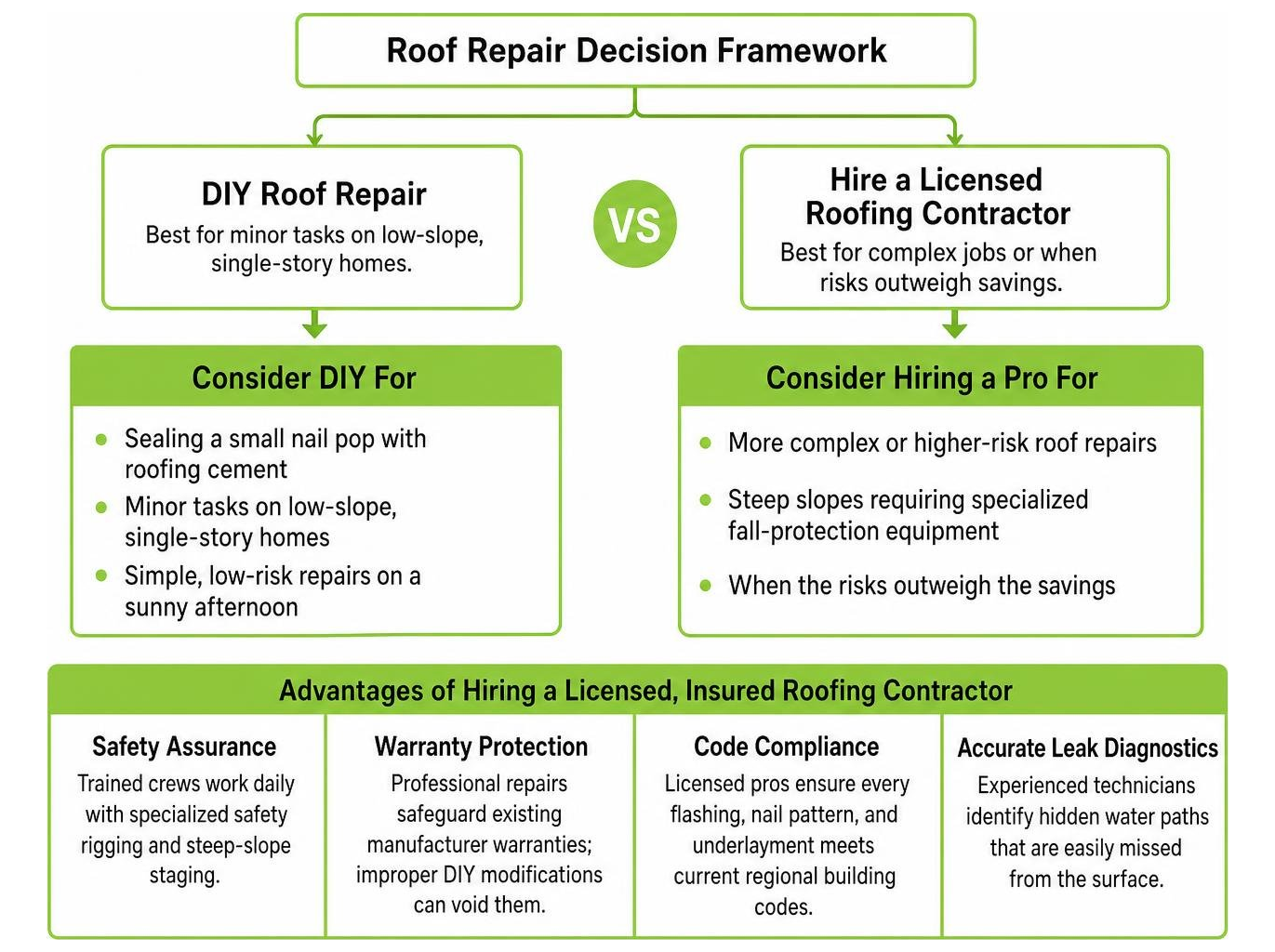
Hiring a licensed, insured roofing contractor delivers clear advantages:
- Safety Assurance : Trained crews work daily with specialized safety rigging and steep-slope staging.
- Warranty Protection : Professional repairs safeguard existing manufacturer warranties, whereas improper DIY modifications can void them.
- Code Compliance : Licensed pros ensure every flashing, nail pattern, and underlayment meets current regional building codes.
- Accurate Leak Diagnostics : Experienced technicians identify hidden water paths that are easily missed from the surface.
Project Financing and Budget Planning
Unexpected roofing expenses should never force you to compromise on home protection. Exploring flexible roofing financing options helps spread project costs into manageable monthly installments.
Homeowners facing significant repair needs can also review available government home repair grants or use a home improvement loan calculator to estimate monthly payments before getting started.
Climate Impacts, Repair Longevity, and Emergency Protocols
Your roof is your home's primary shield against local weather extremes. On Long Island and in Queens, roofing systems face intense seasonal shifts: high summer humidity and UV exposure, heavy autumn winds, and harsh winter freeze-thaw cycles.
Environmental Stressors: Hail, Freeze-Thaw, and Extreme Heat
Different weather patterns damage roofing materials in specific ways:
- Hail Impacts : Hail strikes dislodge protective mineral granules, exposing the underlying asphalt mat to accelerated UV degradation and water penetration.
- Freeze-Thaw Cycles & Ice Dams : When snow melts over warm attic spaces and refreezes at cold eaves, ice dams back up water beneath shingles. As this water freezes, it expands, lifting shingles and tearing underlayment.
- Extreme Heat & Thermal Shock : High summer temperatures cause roofing materials to expand during the day and contract rapidly at night, stressing sealant lines and fasteners.
24/7 Emergency Roof Repair for Storm Damage and Leaks
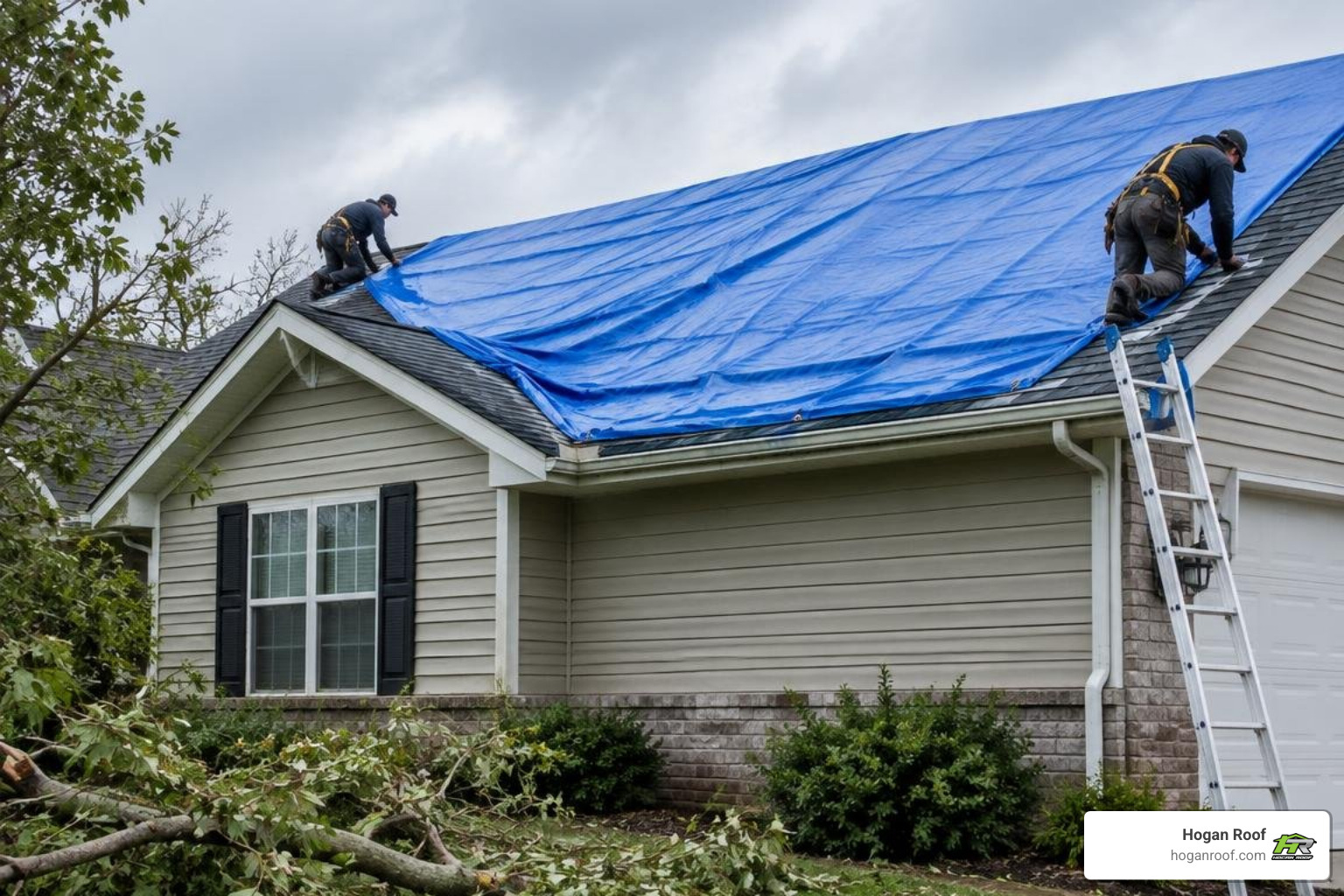
Severe storms, fallen tree limbs, and sudden gale-force winds require immediate emergency response. Emergency roof stabilization stops active leaks inside the living space until permanent repairs can be completed safely.
Key steps during emergency response include:
- Installing heavy-duty, UV-resistant waterproof tarping secured with wooden furring strips.
- Applying temporary rubberized mastic to stop active, high-volume water paths.
- Documenting all visible storm impacts with high-resolution photos and video for insurance adjusters.
Preventative Maintenance and Routine Roof Inspections
The most practical way to avoid emergency repair bills is through scheduled, proactive maintenance. Catching minor wear early prevents small leaks from growing into major structural problems.
Keep your roofing system in peak condition with this seasonal checklist:
- Clean gutters and clear downspout obstructions every spring and autumn.
- Trim overhanging tree branches back at least 6 to 10 feet from the roof edge.
- Clear accumulated leaves, pine needles, and organic debris from roof valleys.
- Check pipe boots and chimney flashing for brittle rubber or cracked sealant.
- Inspect the attic interior twice a year for moisture stains, mold, or musty odors.
Explore our preventative roof maintenance programs to protect your roof year-round. You can also view our transparent pricing guidelines or request an instant roof quote online.
Routine Gutter Cleaning and Debris Clearance
Clogged gutters are a primary cause of roof edge decay. When leaves and debris block downspouts, rainwater pools in the gutter trough and wicks upward beneath the drip edge. This standing water rots wooden fascia boards, degrades soffits, and creates an ideal breeding ground for mildew. Keeping gutter runs clear ensures rainwater flows away from your home's foundation and roof structure.
Professional Drone and Attic Inspections
Hiring a professional roofer to perform a detailed inspection typically costs between $100 and $300 (averaging about $225)—a small investment that can save thousands in preventable water damage down the road.
Modern inspections combine traditional attic checks with cutting-edge technology. High-resolution drone roof inspections capture crystal-clear aerial imagery of steep gables and delicate shingles without risking foot traffic damage. Discover why scheduling a professional roof inspection provides the documentation and peace of mind you need.
Frequently Asked Questions About Roof Restoration
How long should a typical roof patch or component fix last?
A professionally executed roof repair using manufacturer-grade materials typically lasts between 5 and 15 years. Longevity depends on the age and condition of the surrounding roof, proper adhesive bonding, and future exposure to severe weather.
Can an actively leaking roof be repaired during a rainstorm?
Permanent repairs cannot be fully installed on wet roof decking because sealants and adhesives require dry surfaces to cure properly. However, professional roofers can perform emergency tarping and temporary water diversion during a storm to stop interior damage until conditions dry out.
Does homeowners insurance cover common roofing fixes?
Homeowners insurance generally covers repairs caused by sudden, accidental events such as storm winds, hail strikes, or falling tree limbs. It typically does not cover damage resulting from gradual wear and tear, lack of routine maintenance, or general aging. Detailed photo documentation and professional inspection reports are essential for filing successful claims.
Conclusion
A leaking or storm-damaged roof does not always mean you need a complete, expensive tear-off. By acting quickly, identifying the root cause of water intrusion, and investing in high-quality repairs, you can extend your roof's service life by years while protecting your home's interior.
At Hogan Roof, our team brings over 20 years of hands-on expertise as an Owens Corning Platinum Preferred Contractor serving Long Island and Queens. Whether you need an emergency repair, seasonal maintenance, or a comprehensive inspection, we provide transparent estimates and craftsmanship you can rely on. Explore our professional roofing services or reach out today to schedule your comprehensive roof evaluation.