A Homeowner's Guide to Choosing and Buying Aluminum House Siding
How to Choose Aluminum House Siding
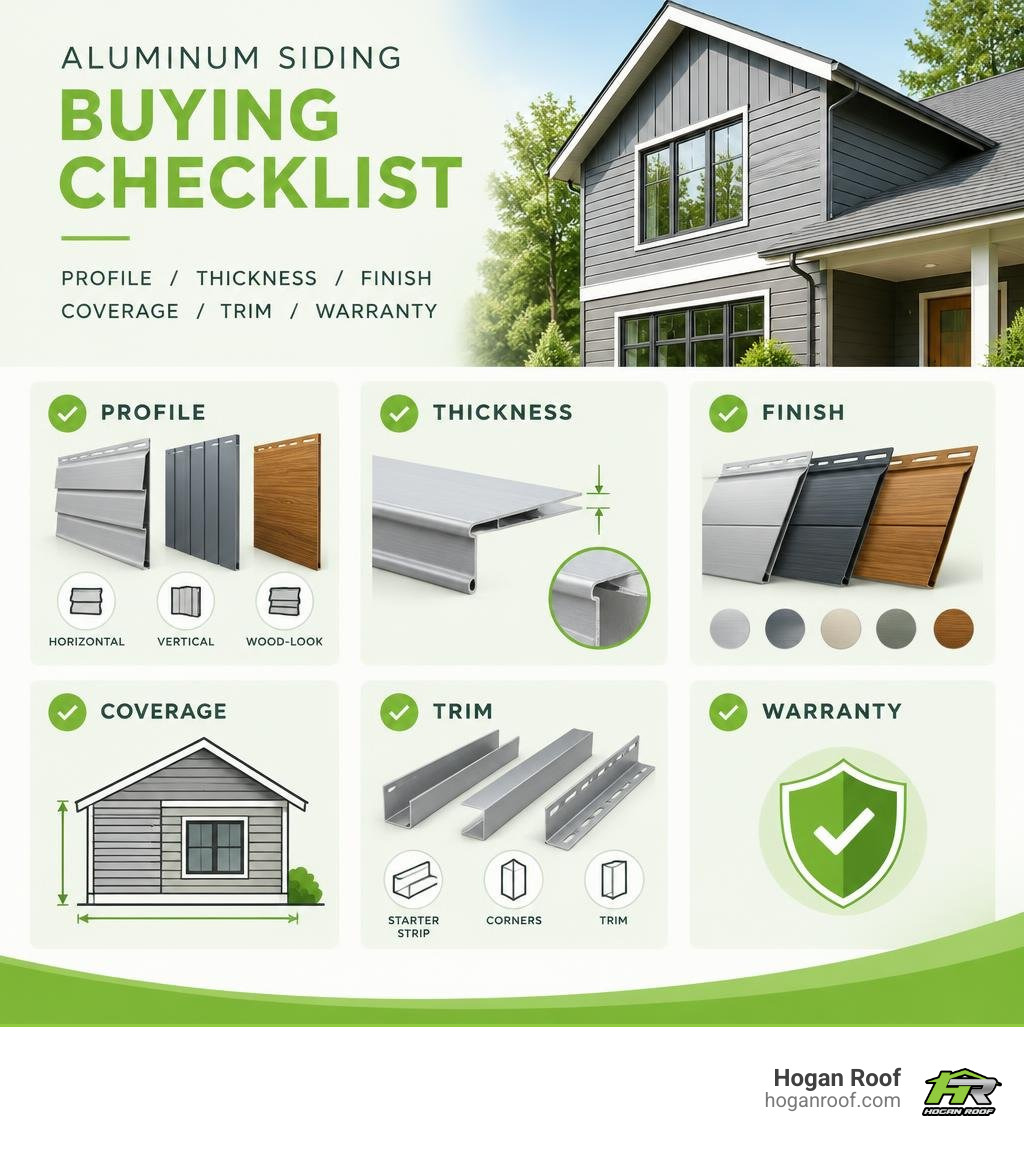
Choose aluminum house siding by comparing the panel profile, metal thickness, finish, and warranty. Horizontal panels give a classic look; vertical and wood-look styles offer other design options. Check each product's coverage and make sure matching starter strips, corners, and trim are available before you buy. Thicker panels may better resist dents, but the right choice also depends on your home's exposure and budget.
I'm Bill Hogan, owner of Hogan Roof. After more than 20 years working in exterior construction across Long Island and Queens, I know that choosing aluminum house siding is only part of the job; the details of the installation matter too.
Key Benefits and Drawbacks of Aluminum House Siding
When most people picture aluminum cladding, they might envision the thin, chalky panels popular in the 1960s and 1970s. Modern materials have evolved significantly. Today's architectural metal exteriors represent a durable, high-performance category of exterior design that blends strength with high visual appeal.
Why Modern Aluminum Outperforms Past Cladding
Modern cladding relies on robust engineering, frequently utilizing heavy 15-gauge T5 marine-grade aluminum alloy weighing approximately 1.9 lbs per square foot. This architectural metal is non-combustible and outperforms standard Class A fire-rated building products. Because it will not feed a flame, it meets the strict safety criteria required for tall structures exceeding 40 feet in height.
Unlike organic materials, metal is completely immune to insect infestation, termite damage, dry rot, and fungal decay. Advanced factory finishes have eliminated the chalking and flaking issues that once troubled older installations. Modern panels feature high-performance UV-resistant acrylic topcoats or sublimated architectural foils that protect against fading in direct sunlight.
Because of this material integrity, manufacturers offer substantial protections. Premium exterior panels often carry a 50-year structural warranty alongside a 25-year color warranty, ensuring your home's exterior remains structurally sound and visually vibrant for decades. Should everyday life cause accidental minor damage, our guide to repairing loose or dented aluminum siding covers practical maintenance steps to keep panels aligned.
Potential Limitations and Cost Considerations
While aluminum offers outstanding longevity, every building material involves specific trade-offs. The primary barrier for many property owners is the initial investment. Metal siding carries higher upfront material and professional installation costs than some lower-cost siding options.
Thinner metal gauges (such as standard 0.019-inch residential lines) can be susceptible to surface dings from direct impacts like stray baseballs, fallen branches, or heavy hail. Additionally, hollow-back metal panels can transmit sound during intense downpours unless paired with high-density drop-in foam backers. Aluminum also naturally expands and contracts with seasonal temperature shifts, requiring precise fastening during installation to avoid wind rattling or buckling. Reviewing an average cost breakdown to replace aluminum siding can help you budget accurately for long-term value.
Profile Types, Finishes, and Essential Hardware Specifications
Selecting the right metal exterior involves pairing architectural style with the appropriate engineering specifications.
Modern Profiles and Styles of Aluminum House Siding
Contemporary aluminum offers versatile design profiles that suit modern, transitional, and traditional home styles:
- Horizontal Lap Siding: The traditional profile, available in smooth or wood-textured finishes, typically spanning 4-inch, 5-inch, or 8-inch reveals.
- Vertical Board and Batten: Offers clean vertical lines that add perceived height to single-story homes or accent gables.
- V-Groove and Flush Architectural Panels: Interlocking tongue-and-groove profiles that deliver a sleek, minimalist aesthetic for contemporary builds.
- Woodgrain Finishes: High-definition sublimated coatings—such as those found across architectural aluminum profile options —deliver the visual warmth of stained cedar, fir, or walnut without demanding constant resealing.
- Solid and Metallic Powder Coats: Industrial finishes available in dozens of colors ranging from bright white and slate gray to bold architectural bronze and matte black.
Key Gauge, Panel Sizing, and Essential Trim Accessories
Thickness directly influences panel durability. Standard residential panels are commonly 0.019 inches thick, whereas heavy-duty selections feature a 0.024-inch or heavier structural marine-grade gauge.

Panel dimensions vary depending on the manufacturer and profile:
- Standard Lap Boards: Often manufactured in 8-inch widths and 12.5-foot lengths, packaged in cartons containing 12 pieces.
- Architectural Cladding Planks: Frequently sold in 12-foot lengths with a 6-inch net face exposure, packaged two panels per bundle to provide 12 square feet of coverage.
- Trim Coils: Field-fabricated coils are distributed in 10.5-inch, 14-inch, or 24-inch widths, with roll lengths reaching up to 50 feet.
A proper installation relies on a full set of coordinated accessories. Reviewing the technical specifications for siding accessories highlights several critical components:
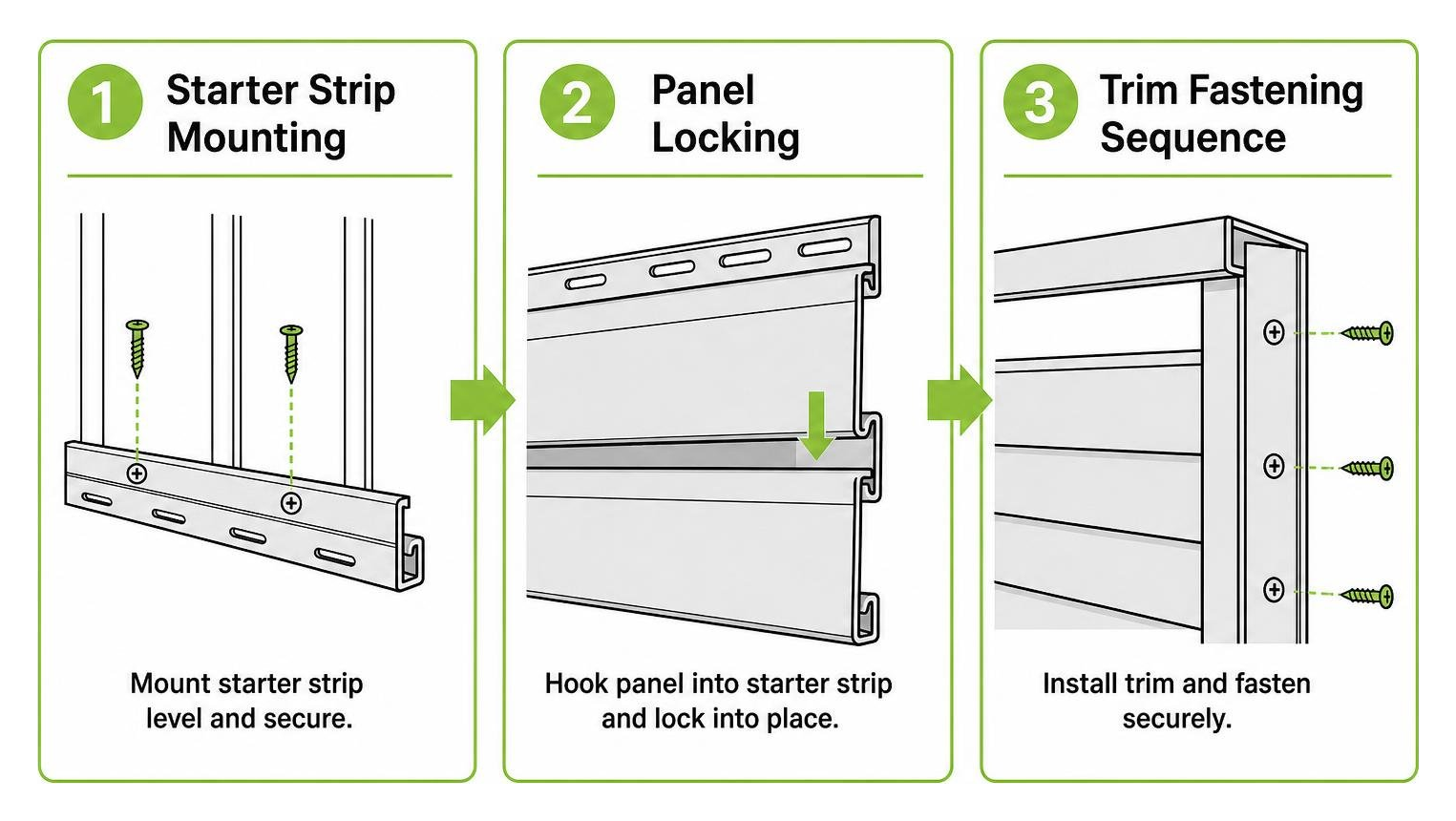
- Starter Strips: Base channels mounted along the foundation line to lock the initial row of panels securely in place.
- J-Channels: Trim pieces used around window frames, door jambs, and roof-wall junctions to hide panel cut edges and channel away runoff.
- Corner Posts: Integrated inside and outside corner profiles (often measuring 8 to 12 inches) that cap corners and prevent wind-driven rain infiltration.
- H-Moulding and Two-Piece Hat Channels: Splice joints used to join plank runs cleanly over long exterior walls while providing necessary expansion relief.
Aluminum House Siding Performance for Exterior Renovations
Understanding how aluminum performs against alternative cladding materials helps clarify which solution aligns with your long-term exterior maintenance goals.
How Aluminum House Siding Performs Across Common Exterior Conditions
| Aluminum siding characteristic | What to review |
|---|---|
| Fire performance | Aluminum is non-combustible, but homeowners should confirm the complete wall assembly and local code requirements for their project. |
| Expected service life | Panel thickness, finish quality, exposure, and installation details all affect long-term performance. |
| Moisture and pest resistance | Aluminum does not rot and is not vulnerable to termite damage, though flashing and trim details still need proper installation. |
| Maintenance | Periodic rinsing and prompt repair of loose or dented panels can help preserve the exterior finish. |
When evaluating these choices, our upgrading home siding guide offers deep insights into balancing initial remodeling outlays against total life-cycle maintenance expenses.
Best Applications: Retrofits, Harsh Climates, and Coastal Homes
Aluminum excels in specific, challenging structural environments:
- Retrofit Projects: Because aluminum cladding is lightweight, it places minimal load on an existing foundation, allowing it to be installed over sound existing substrates without framing reinforcement.
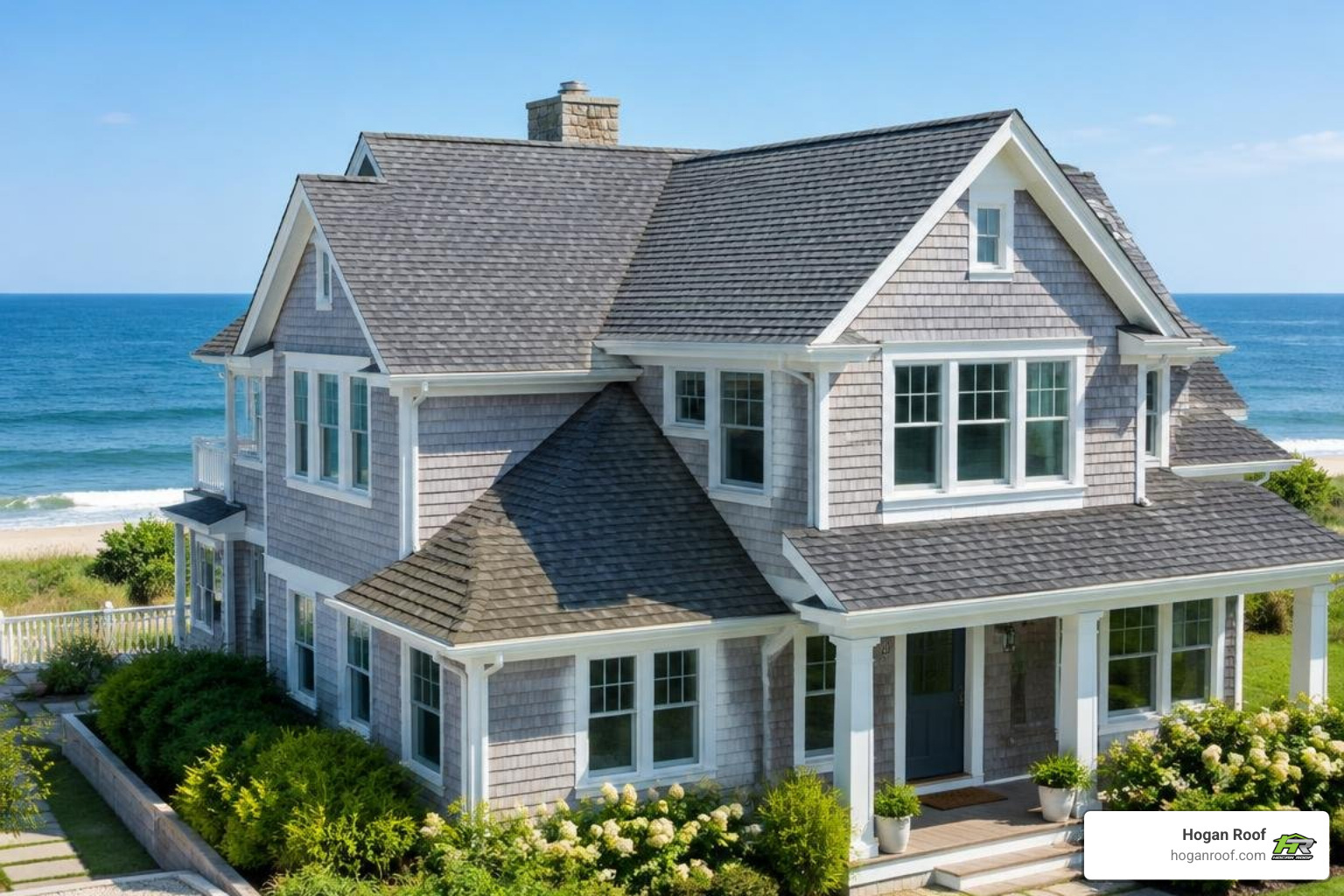
- Coastal Environments: Marine-grade T5 alloy finishes resist the aggressive salt-air corrosion that rusts steel and breaks down natural timber finishes.
- Soffit Ventilation: Metal soffit systems provide balanced airflow (often delivering 79.99 cm² of ventilation per linear meter, or 3.78 in² per linear foot), exhausting attic heat and moisture to protect roof sheathing.
For homeowners considering full exterior renovations, reading our complete house siding replacement overview provides clear advice on project planning.
Best Practices for Installation and Avoiding Common Mistakes
Proper installation prevents common performance issues like water intrusion, wind rattle, and galvanic corrosion.
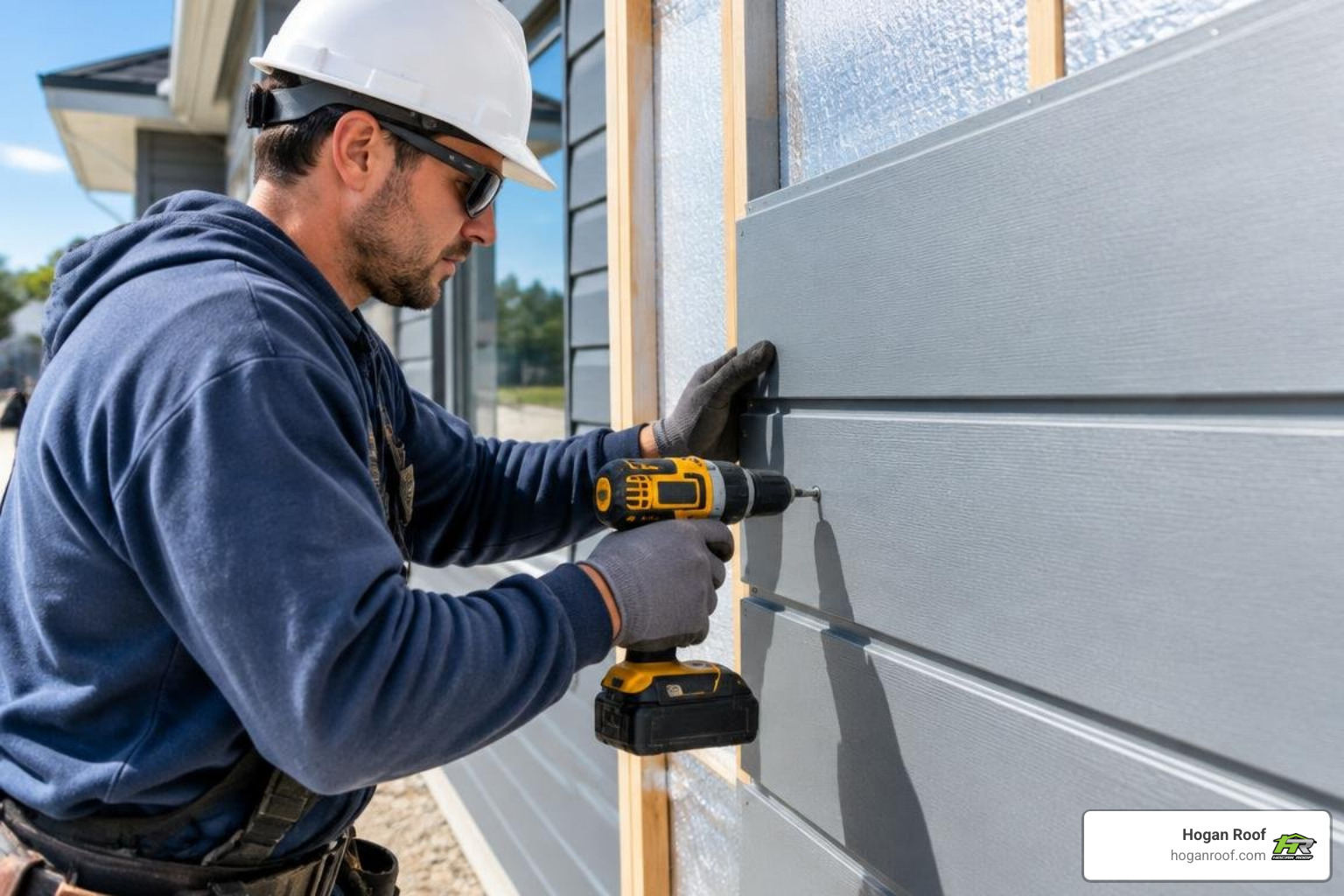
- Leave Room for Thermal Expansion: Aluminum expands and contracts with outdoor temperature shifts. Never drive fasteners dead-tight against the panel flange. Fasteners must sit centered in mounting slots with a 1/32-inch gap between the screw head and the metal panel, leaving 1/4-inch expansion room inside J-channels.
- Prevent Galvanic Corrosion: When aluminum comes into direct contact with dissimilar metals—especially copper flashings or modern ACQ (Alkaline Copper Quaternary) pressure-treated wood—moisture can cause galvanic corrosion that degrades the aluminum. Always install an approved isolation membrane or barrier tape between aluminum components and treated lumber framing.
- Use Proper Cutting Equipment: Cut aluminum panels cleanly using a fine-toothed, 12-inch non-ferrous carbide metal saw blade mounted in a circular saw or miter station. Avoid dull standard wood blades, which can warp panel edges.
- Incorporate Foam Backing: Installing contoured foam backer boards beneath hollow-profile siding increases impact resistance against hail while providing thermal insulation and acoustic dampening.
Frequently Asked Questions About Aluminum House Siding
How long does modern aluminum siding typically last on a home?
Modern architectural aluminum siding reliably lasts 40 to 50 years structurally. Premium marine-grade finishes usually feature 25-year warranties against chalking, peeling, and UV color fading. Because aluminum never rusts, rots, or decays, the metal base will outlast many conventional exterior materials with minimal maintenance.
Can aluminum siding be installed directly over existing exterior walls?
Yes. Because aluminum is lightweight (averaging around 1.9 lbs per square foot), it can often be installed directly over sound existing siding or flat exterior sheathing during retrofits. The existing wall must be structurally solid, dry, and flat, with a continuous weather-resistive barrier or furring strip matrix installed beneath the new panels.
Does aluminum siding increase indoor temperatures during summer?
No. High-quality coated aluminum reflects radiant solar energy away from the exterior wall assembly. When paired with a backer or installed with an integrated rainscreen ventilation gap, it allows air to circulate upward behind the siding, exhausting heat before it can transfer into your living spaces.
Conclusion
Aluminum house siding combines architectural design, structural fire safety, and long-term durability. Modern profiles, realistic woodgrain textures, and marine-grade alloys make it an appealing choice for homeowners seeking an exterior that stands up to demanding coastal environments and shifting seasonal weather without requiring constant repainting.
Making sure your exterior cladding performs properly requires experienced planning and skilled craftsmanship. At Hogan Roof, we bring over two decades of exterior remodeling expertise to homeowners throughout Long Island and Queens. Whether you are exploring modern metal claddings or full exterior upgrades, our team provides free property inspections and flexible financing options to bring your vision to life.
For trusted guidance on selecting the best materials for your home, explore our expert residential siding installation services or contact our team today to schedule your complimentary exterior consultation.