What Homeowners Should Know Before Installing Vinyl Siding in Suffolk County
Comprehensive Guide to Vinyl Siding Suffolk County Options and Styles
Before installing vinyl siding in Suffolk County, homeowners must account for local township building permit rules, coastal wind-load requirements (110–130+ MPH), the energy-saving benefits of insulated foam backing, and the requirement to hire a contractor licensed by the Suffolk County Department of Consumer Affairs. Choosing the right exterior cladding for your Long Island home involves balancing aesthetics, weather endurance, and energy efficiency. Modern engineered vinyl provides high durability, rigid construction, and refined textures that replicate natural wood grain without demanding endless scraping and painting.
To make an informed investment, you must understand the functional differences between panel types, profile designs, and material formulations suited specifically for coastal climates.
Choosing Insulated Vinyl Siding Suffolk County Homeowners Prefer
Suffolk County experiences hot, humid summers and freezing, wind-swept winters. Standard exterior wall cavities contain framing studs that create "thermal bridging"—gaps where heating and cooling easily escape through the wall structure. Insulated vinyl siding counters this vulnerability by fusing custom-contoured expanded polystyrene(EPS) foam directly to the back of the vinyl profile.
This built-in insulation fills the hollow space behind the panel, raising the wall's overall R-value) (a measure of thermal resistance) and dampening outside noise from traffic or heavy weather. The rigid foam backing also provides structural rigidity, making the panels far more resistant to impact from hail, flying debris, or accidental bumps from lawn equipment.
| Feature | Standard Vinyl Siding | Insulated Vinyl Siding |
|---|---|---|
| R-Value Contribution | Minimal (approx. R-0.6) | Significant (adds R-2.0 to R-4.0) |
| Impact Resistance | Moderate; hollow behind panel | High; solid foam backing absorbs shock |
| Thermal Bridging Protection | No | Yes; covers wall studs |
| Sound Deadening | Low | Noticeable reduction in exterior noise |
| Profile Rigidity | Flexible; may follow wall imperfections | Rigid; creates straight, crisp sightlines |
| Upfront Cost | Lower initial investment | Higher upfront cost with energy savings |
Popular Architectural Profiles, Textures, and Color Palettes
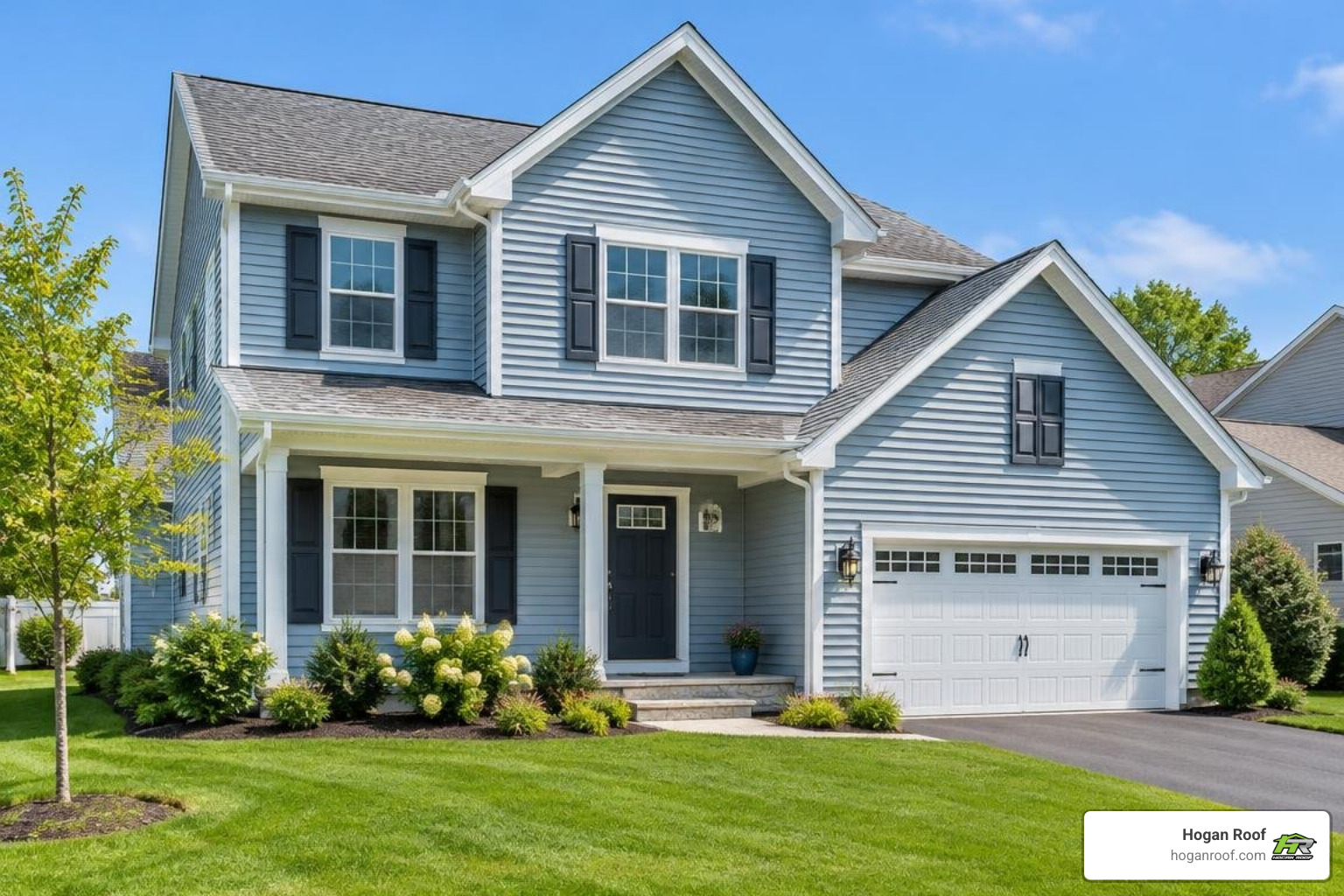
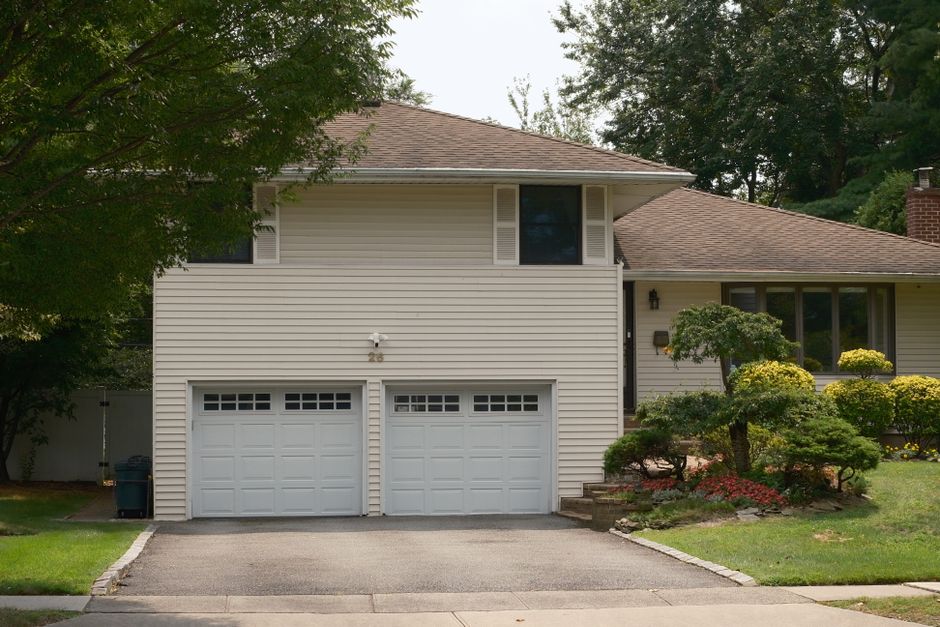
The architectural landscape across Suffolk County spans charming mid-century ranches, traditional Colonials, coastal Cape Cods, and contemporary beachfront builds. Modern vinyl siding comes in several distinct profiles designed to complement any home style:
- Horizontal Clapboard: The timeless look of traditional timber boards, available in standard 4-inch to 7-inch reveals.
- Dutch Lap: Features a decorative groove at the top of each panel, creating sharp shadow lines that add dimension and depth.
- Vertical Board and Batten: Alternating wide boards and narrow raised strips that create visual height, frequently chosen for accent gables or modern farmhouse designs.
- Cedar Shake & Shingle Impressions: Molded from authentic wood shingles to deliver the coastal charm of weathered cedar shakes without the inevitable rot, splintering, or high maintenance.
Color technology has also advanced dramatically. High-end panels incorporate UV-inhibiting acrylic formulations that prevent dark, rich tones—such as deep ocean blues, charcoal grays, and forest greens—from fading under intense summer sun exposure. If you are weighing different panel textures and color combinations, our guide on how to choose the right vinyl siding in Suffolk County provides deeper insights into pairing profiles with specific Long Island home designs.
Suffolk County Regulations, Permitting, and Home Preparation
Every municipality across Long Island enforces building standards tailored to protect structures from seasonal nor'easters, heavy snow loads, and coastal hurricanes. Navigating these requirements and properly prepping your home ensures a long-lasting, code-compliant exterior renovation.
Town Building Codes and Permit Requirements
Suffolk County comprises ten distinct townships, including Brookhaven, Islip, Huntington, Babylon, and Southampton, each with its own Department of Buildings and local building codes.
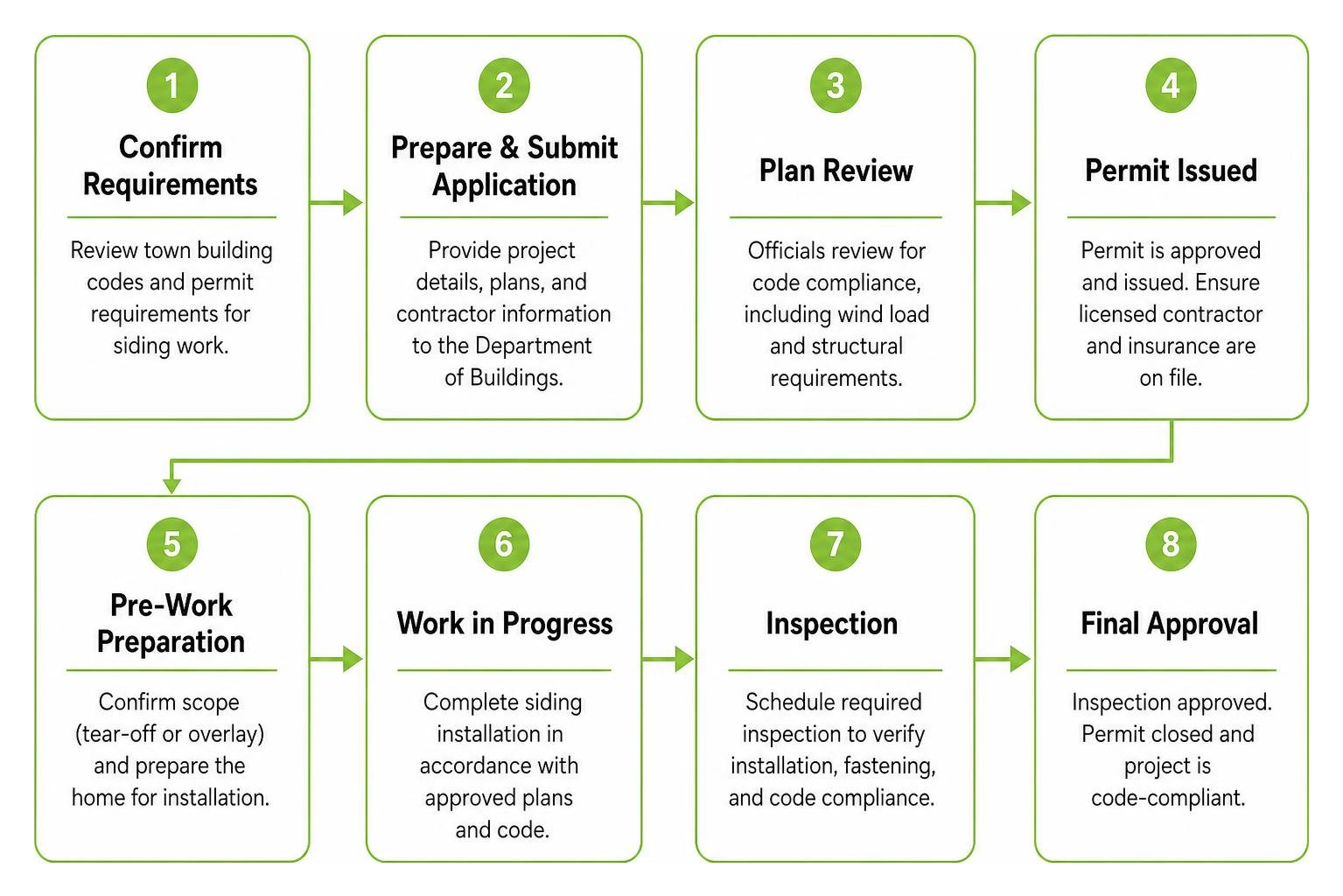
Permitting requirements often depend on the scope of the renovation:
- Tear-Off vs. Overlay: While replacing a small section of siding may be treated as standard maintenance, full tear-offs and structural wall replacements often require a building permit to confirm wind load compliance.
- Wind Resistance Standards: Because Suffolk County sits in a designated coastal wind zone, exterior cladding and fastening systems must be rated to withstand wind speeds ranging from 110 to 130+ MPH depending on proximity to the shoreline.
- Contractor Licensing: Town code officials require that any contractor pulling permits holds an active Suffolk County Department of Consumer Affairs license, along with current workers' compensation and general liability policies.
Working with an experienced team ensures that permit paperwork, code compliance inspections, and architectural reviews are handled smoothly without project delays.
Best Practices for Preparing Your Property
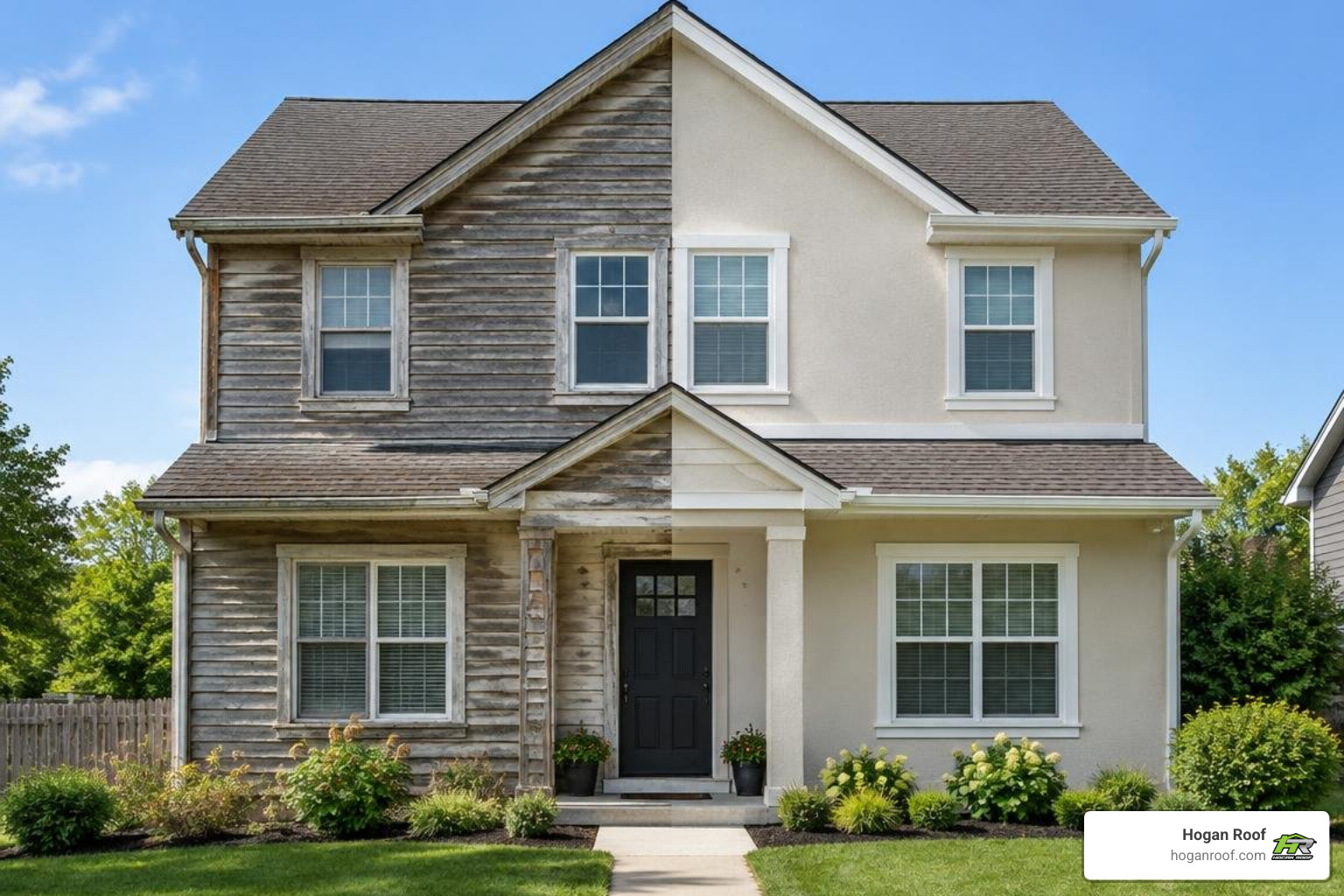
Proper preparation directly influences how well your new siding performs over the next thirty years. Siding is designed as a water-shedding exterior shield, but the real defense against moisture intrusion happens right underneath the panels.
Before the first new panel is hung, professional crews follow these essential prep steps:
- Complete Siding Removal: Stripping old cladding down to the original wood sheathing allows installers to inspect the underlying structure thoroughly.
- Substrate & Framing Repairs: Any rotten, water-damaged, or soft sheathing (plywood or OSB) must be cut out and replaced with solid, structural-grade timber.
- High-Performance Weather Barrier (House Wrap): Installers wrap the entire structure in a breathable moisture barrier, sealing all seams with approved construction tape to block drafts and water while letting internal moisture vapor escape.
- Flashing Integration: Custom aluminum and rubberized flashing must be installed around windows, doors, corners, and roof-to-wall intersections to direct water away from the framing.
- Ground-Level Protection: Homeowners should trim back overhanging tree limbs, clear patio furniture, and move foundation plantings where feasible to provide crews clear access and protect your landscape.
Costs and Project Timelines for Exterior Renovations
Understanding what goes into the budget and the construction schedule allows you to plan your project with confidence.
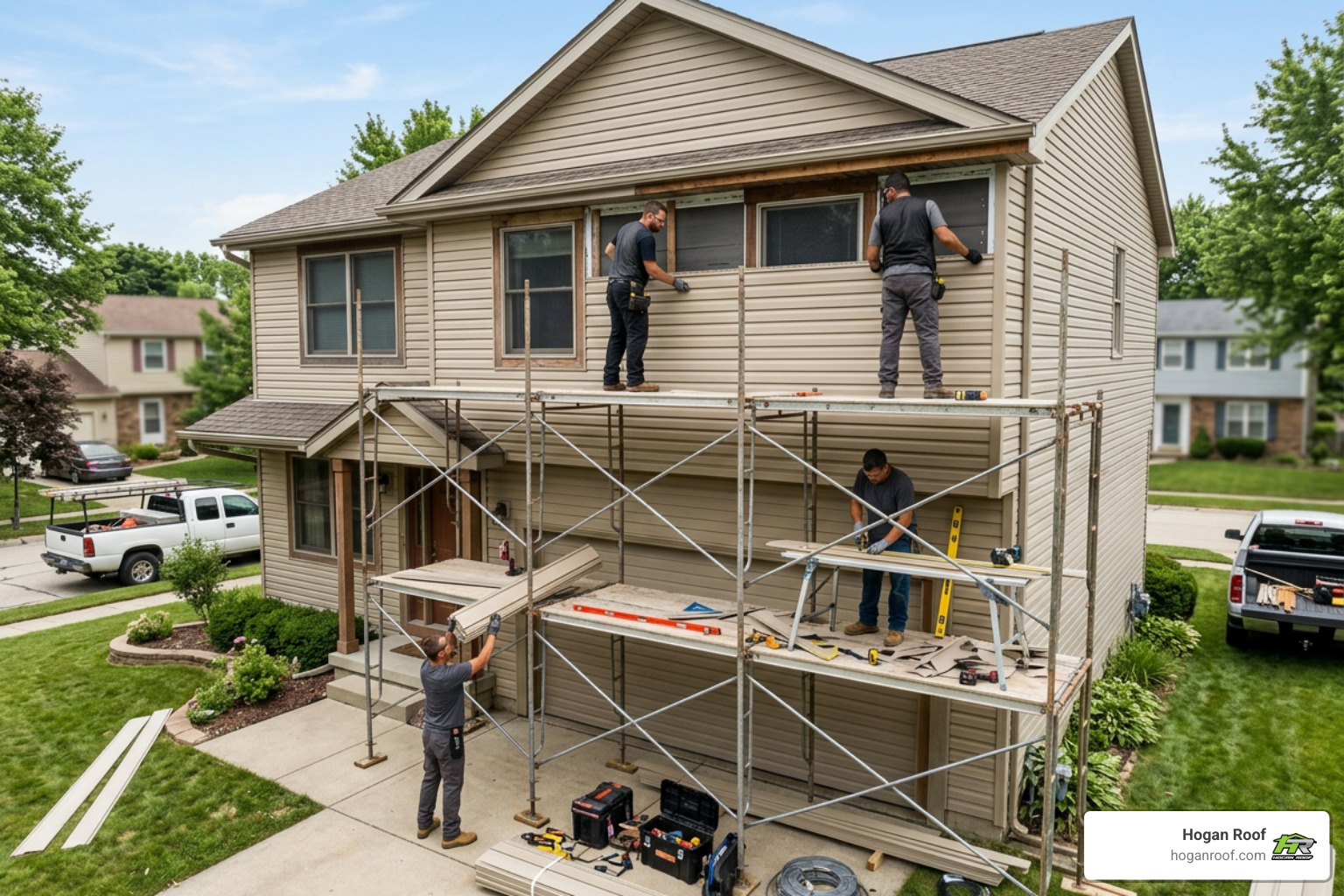
Estimating Project Timelines for Vinyl Siding Suffolk County Installations
For an average single-family home (2,000 to 2,500 square feet of exterior wall area), a complete siding replacement typically takes between 4 to 7 working days .
Several variables can influence this timeline:
- Tear-Off Complexity: Removing multiple layers of old siding (such as original cedar shakes buried beneath old aluminum panels) takes extra labor and disposal time.
- Structural Remediation: Finding unexpected rot around window sills or band joists requires carpentry repairs before new panels can be hung.
- Architectural Features: Multi-story homes, steep rooflines, dormers, and intricate trim packages require careful detail work and scaffold repositioning.
- Weather Conditions: While siding can be installed year-round, severe rainstorms, high coastal winds, or sub-freezing snaps can temporarily halt daily work to safeguard both our crews and your exposed framing.
Budgeting and Long-Term Value
The overall investment for a siding project is shaped by three key components: panel grade (standard versus insulated), architectural profile complexity, and the extent of trim and soffit replacement.
When calculating the return on investment, keep in mind:
- Maintenance Elimination: Unlike wood or fiber cement, quality vinyl never needs periodic repainting, staining, or caulking, saving thousands of dollars over its lifespan.
- Energy Savings: Upgrading to insulated panels lowers monthly heating and cooling costs by reducing heat loss through the building envelope.
- Resale Appeal: Siding replacement regularly ranks among the top exterior home improvements for cost recovery upon resale on Long Island.
We believe that budgeting should always be straightforward and stress-free. Homeowners can review our transparent pricing structure to understand cost factors, and explore our flexible financing options to find monthly payment plans that fit their specific renovation goals.
How to Choose the Right Siding Contractor
The long-term performance of your vinyl siding relies just as much on proper installation as on the quality of the materials. Even premium panels will warp, buckle, or leak if nailed too tightly or hung on unlevel framing.
When vetting exterior contractors in Suffolk County, look for these critical credentials:
- Valid Local Licensing: Ensure the company holds a current license from the Suffolk County Department of Consumer Affairs. Unlicensed handymen cannot pull building permits.
- Adequate Insurance Protection: Demand written proof of both General Liability insurance and full Workers' Compensation coverage.
- Manufacturer Certifications: Top manufacturers award certifications only to contractors who demonstrate strict adherence to factory installation specifications. As an Owens Corning Platinum Preferred Contractor with over two decades of experience, we bring rigorous installation standards to every exterior project we handle.
- Comprehensive Warranties: Look for dual-layer warranty coverage: a non-prorated manufacturer warranty covering product defects, and a robust workmanship warranty protecting against installation errors.
- Proven Local Reputation: Check third-party verified customer reviews from fellow Long Island homeowners to gauge communication, cleanliness, and project reliability.
- Full-Service Capabilities: Choosing a contractor that offers comprehensive exterior services —including gutters, trim capping, and residential roofing —ensures that your entire roof-to-wall drainage system works as a unified barrier.
Frequently Asked Questions About Siding Installation
How long does a vinyl siding replacement project typically take?
Most standard residential siding installations take between 4 to 7 working days, depending on home size, wall complexity, and weather conditions. A dedicated crew of four to six installers will typically strip existing materials, make any necessary wood repairs, install moisture barriers, and hang new panels along with custom-bent aluminum trim capping around windows and doors.
Are building permits required for siding replacement in Suffolk County?
In many Suffolk County townships (such as Brookhaven, Islip, and Huntington), a building permit is required when performing a full tear-off, altering exterior sheathing, or updating structural trim. Permit requirements can vary by municipality and neighborhood historic district. A reputable licensed contractor will determine the local requirements for your address and handle the permit filing process directly with your local building department.
How well does vinyl siding withstand coastal Long Island weather?
Modern heavy-gauge vinyl siding is engineered specifically to withstand coastal environments. High-grade panels feature reinforced nail hems rated for winds in excess of 110–130 MPH, resisting the uplift forces of coastal storms. Additionally, vinyl is impervious to moisture, salt spray, and humidity, meaning it will not rot, rust, corrode, or harbor wood-boring insects.
Conclusion
Upgrading your home's exterior cladding is one of the most effective ways to boost curb appeal, enhance weather resistance, and reduce energy consumption across Long Island's demanding seasons. By choosing premium materials, insisting on thorough wall preparation, and partnering with an experienced, fully licensed team, you can protect your property for decades to come.
At Hogan Roof, we bring over 20 years of exterior remodeling experience to every job site. If you are ready to explore exterior options for your home, review our blog for more home maintenance tips, contact our team to schedule a free inspection, or learn more about our professional vinyl siding services today.