Upgrading Your Exterior with the Best Vinyl Siding in Nassau County
Find the Best Vinyl Siding in Nassau County
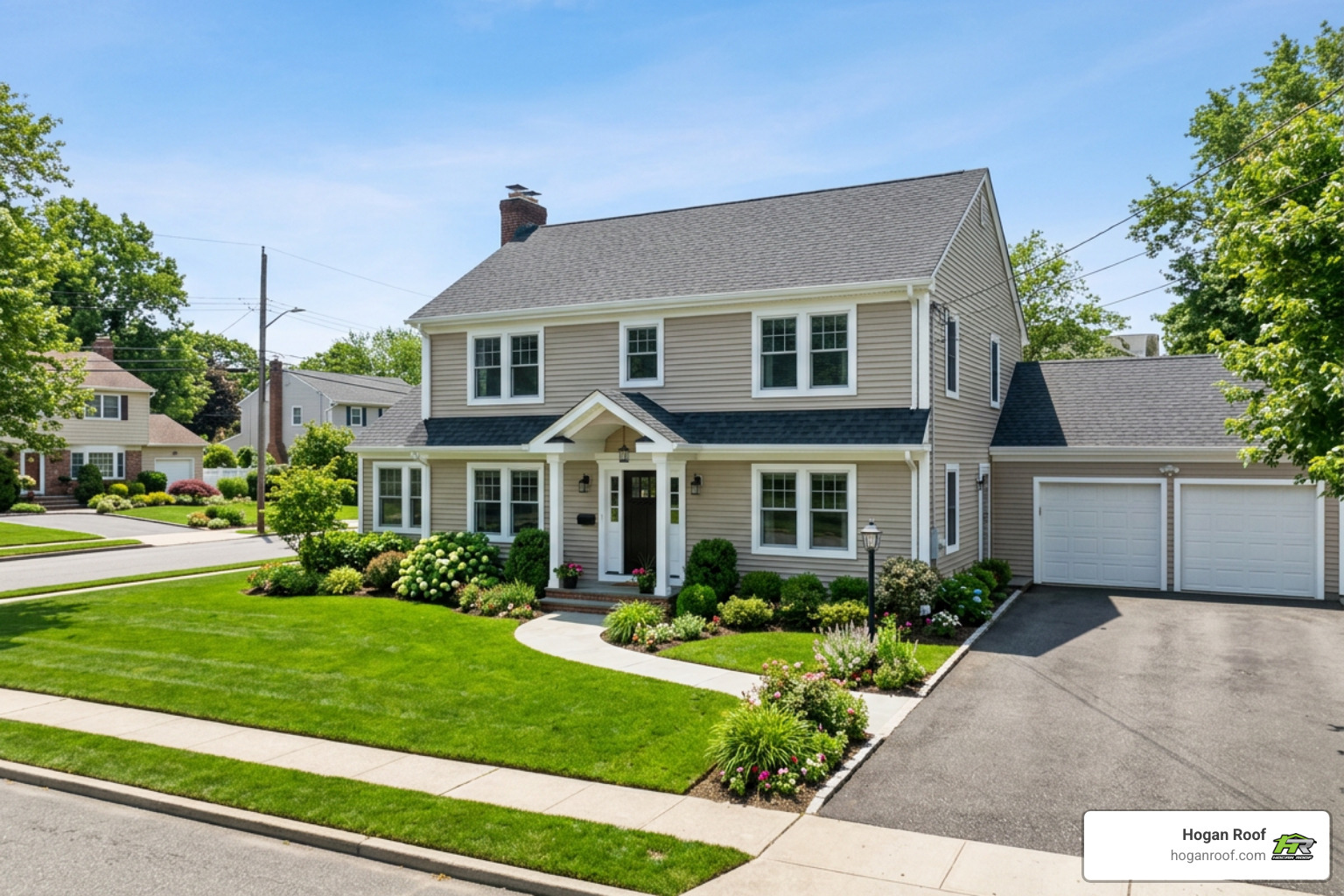
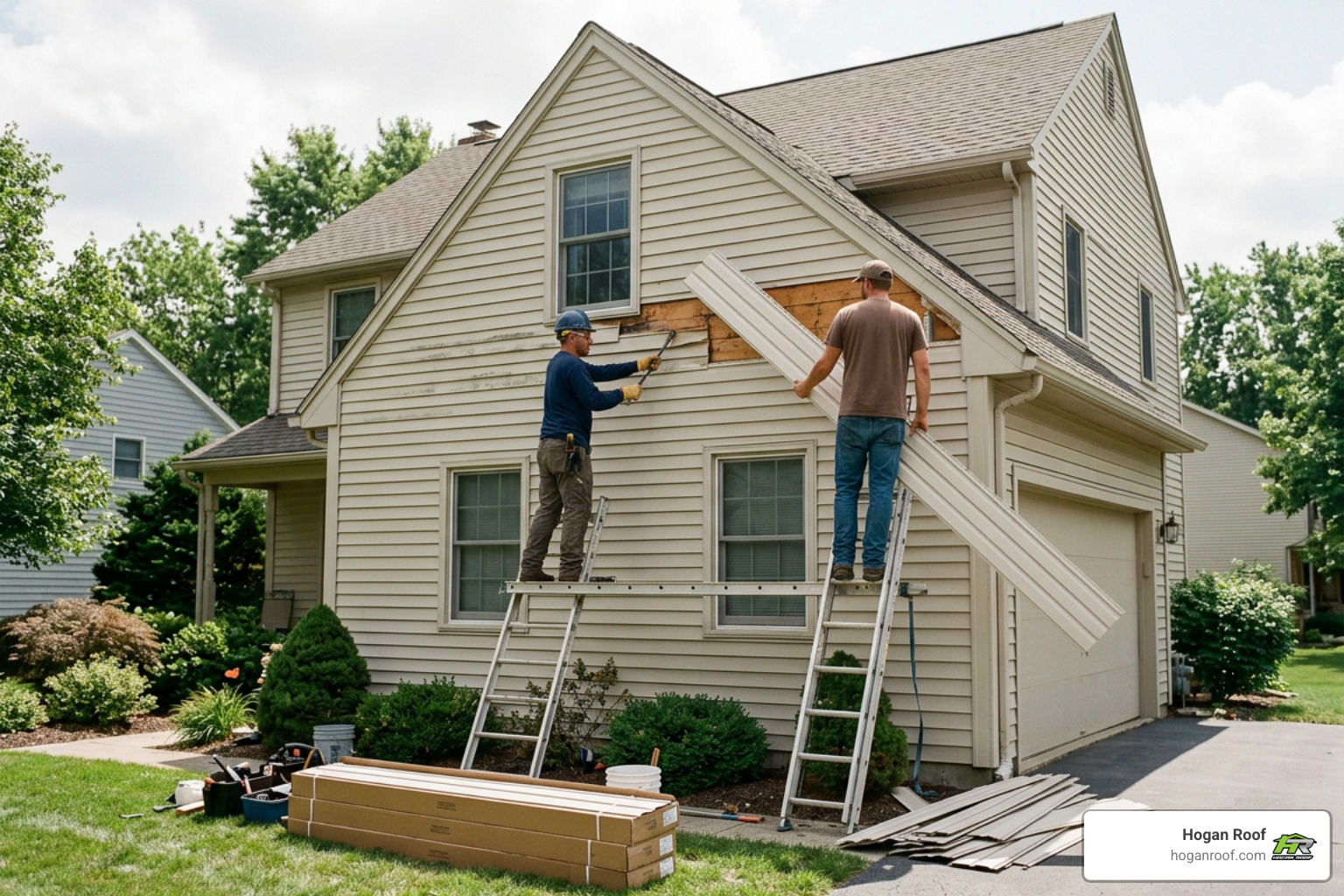
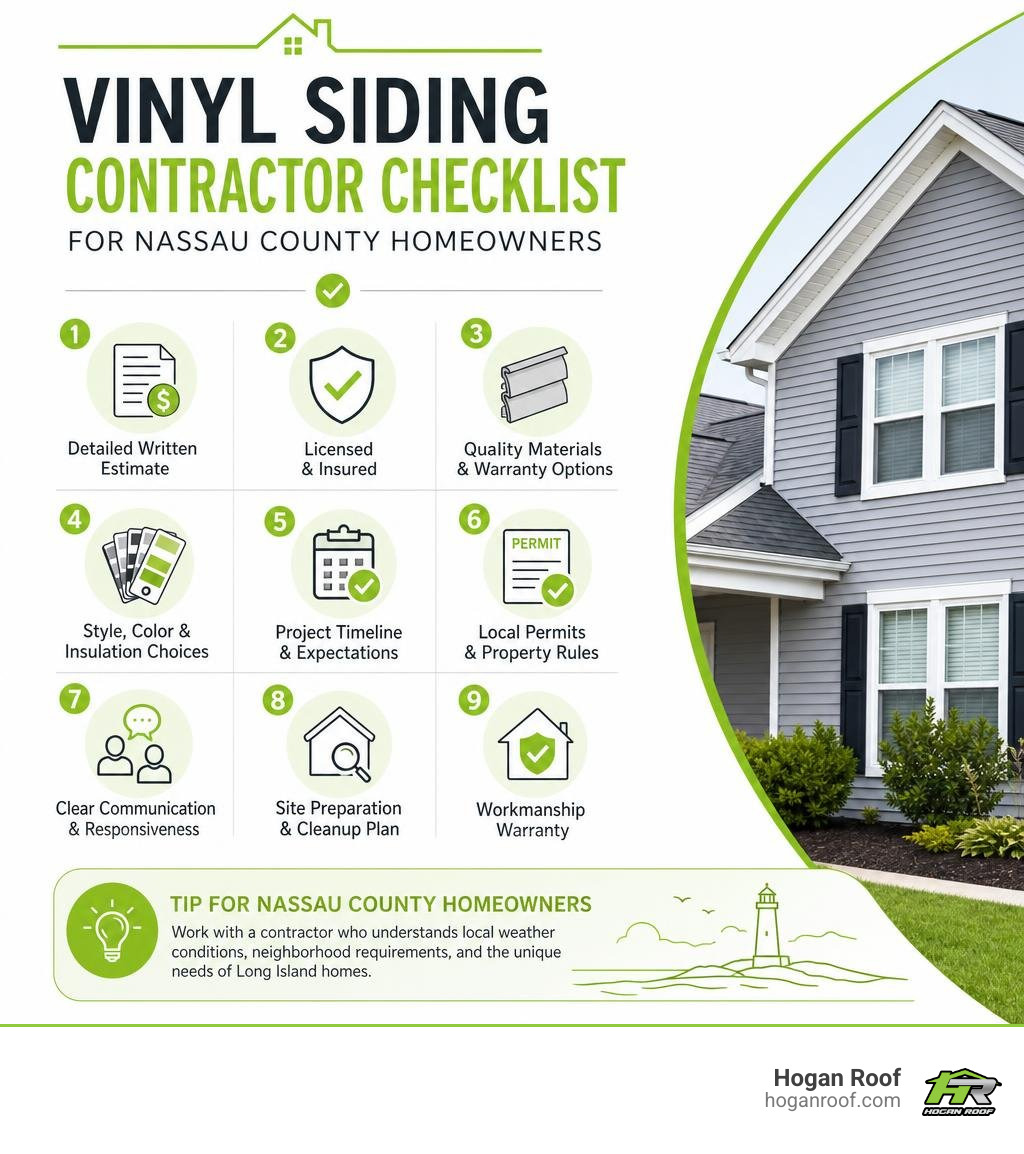
Vinyl siding Nassau County homeowners choose should be installed by a licensed, insured contractor who provides a detailed detailed written estimate, explains material and warranty options, and understands local permit and property-rule requirements. Vinyl siding is a popular exterior upgrade because it offers a clean look, low routine upkeep, and strong moisture resistance for Long Island homes exposed to rain, wind, summer heat, and winter freeze-thaw cycles.
A good contractor will help you compare styles, colors, insulation options, project timing, and total costs before work begins. They should also confirm whether your town, village, HOA, co-op board, or historic-district rules require approval before installation.
I am Bill Hogan, owner of Hogan Roof, with more than 20 years of experience helping tri-state property owners protect and improve their exteriors. Our experience with vinyl siding Nassau County projects helps homeowners make clear, practical decisions about lasting curb appeal and weather protection.
Why Vinyl Siding Nassau County Homes is a Smart Investment
Living on Long Island means enjoying incredible summers, scenic coastal views, and quick access to the beach. However, it also means your home's exterior takes a beating year-round. From damp salt air drifting off the South Shore to severe winter nor'easters whipping across the North Shore, your home's exterior cladding is constantly tested by nature.
Upgrading to vinyl siding Nassau County homes rely on is one of the smartest investments you can make as a property owner. Unlike wood, which rapidly absorbs salt fog and damp air, or fiber cement, which requires periodic repainting, modern vinyl siding provides an impermeable barrier against severe coastal weather. It gives your home a fresh, updated aesthetic while significantly reducing yearly outdoor chores.
Climate Protection and Durability Against Long Island Weather
Long Island weather is notoriously unpredictable. In a single calendar year, Nassau County homes can experience heavy nor'easters, torrential summer thunderstorms, freezing ice storms, and sticky 90-degree summer heatwaves. This cycle of rapid heating and freezing causes materials like wood or masonry to expand, contract, crack, or flake over time.
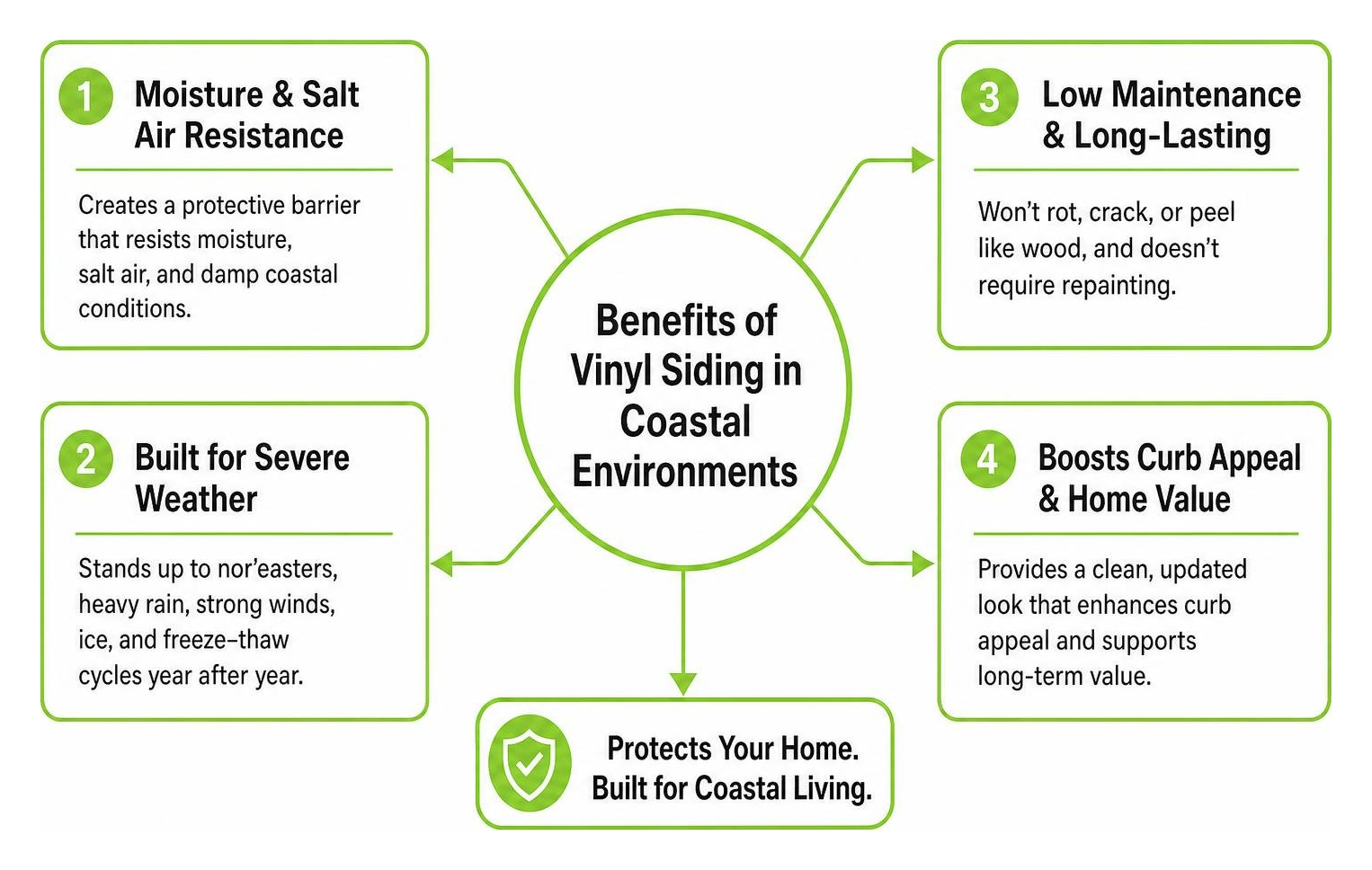
Modern vinyl siding Nassau County installations stand up to these severe weather swings exceptionally well. Here is how advanced vinyl materials safeguard your structure:
- Moisture and Salt Air Resistance: Damp ocean air and heavy rainfall will quickly rot untreated wood and cause paint to blister or peel within a few short seasons. Premium vinyl does not rust, rot, erode, or absorb moisture, keeping water safely away from your home's framing.
- Freeze-Thaw Shielding: During winter freeze-thaw cycles, trapped water turns to ice, expanding inside small surface pores. Because high-grade vinyl paneling is non-porous, ice cannot penetrate the material, preventing the structural cracking common in mortar and low-grade painted finishes.
- High Wind Resistance: Quality vinyl siding profiles feature heavy-duty nail hem designs that can withstand hurricane-force winds up to 110 mph or higher when professionally installed.
- UV and Fade Resistance: Integrated color chemistry prevents harsh summer sunlight from dulling your home's exterior. Modern manufacturing infuses UV-blocking polymers throughout the entire panel rather than just applying a top layer of paint.
Energy Efficiency and Insulated Vinyl Siding Options
In our region, keeping heating and cooling bills under control is a top priority for families. While standard vinyl cladding offers great protection against rain and wind, insulated vinyl siding takes performance a step further by dramatically improving your home's thermal envelope.
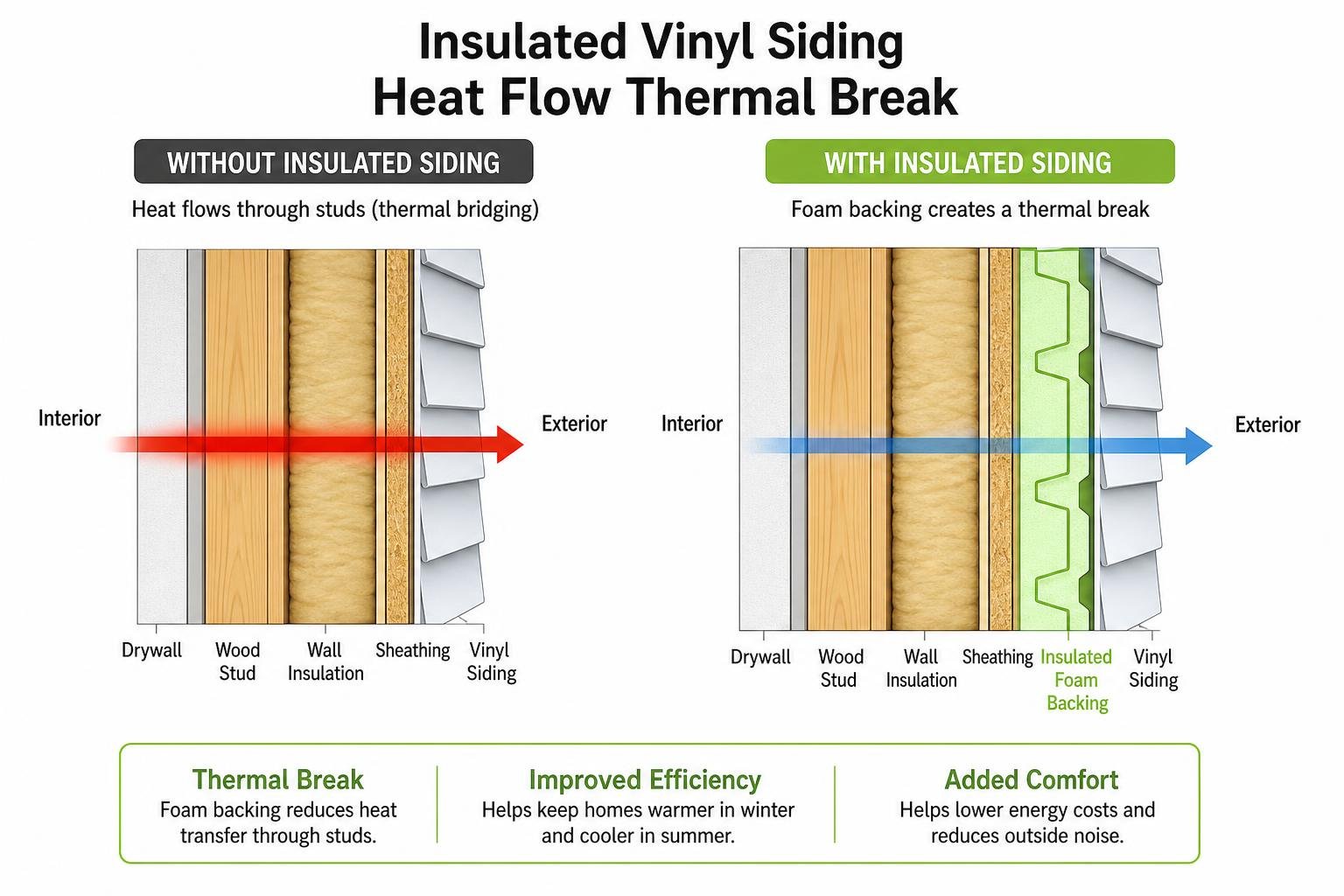
Standard wall construction leaves structural wood studs uninsulated on the outside edge. Heat easily travels through these wood studs—a phenomenon known as thermal bridging. By installing contoured rigid foam backing behind your exterior panels, you create an uninterrupted thermal blanket over the exterior wall studs.
- Increased R-Value: Adding insulated vinyl paneling increases your overall exterior wall R-value (thermal resistance) by R-2 to R-5, depending on the product thickness.
- Lower Utility Costs: By preventing winter heat from escaping and summer humidity from creeping indoors, your heating and cooling systems operate far more efficiently, directly trimming monthly utility bills.
- Acoustic Insulation: Dense foam backing dampens exterior sounds, creating a noticeably quieter, more peaceful indoor environment away from street traffic and lawn equipment.
- Enhanced Impact Resistance: Solid foam backing fills the hollow gap behind the vinyl skin, making the panels feel firm and solid to the touch while dramatically increasing resistance to hail or stray baseballs.
To explore the wide range of heavy-duty and insulated exterior materials engineered for Long Island conditions, explore our selection of quality siding products.
Top Vinyl Siding Styles and Cost Comparisons
Choosing new siding is not just a practical maintenance upgrade; it is an incredible opportunity to completely redefine your home's exterior architecture. Whether you own a classic Dutch Colonial in Garden City, a coastal ranch in Oceanside, or a contemporary split-level in Massapequa, modern vinyl siding offers an array of textures, shadow lines, and vibrant color palettes.
Popular Vinyl Siding Nassau County Styles and Architectural Trends
Gone are the days when choosing vinyl meant settling for plain, flat off-white panels. Today’s vinyl siding styles convincingly replicate the rich texture, deep wood grain, and classic shadow lines of cedar shakes and historical clapboard.
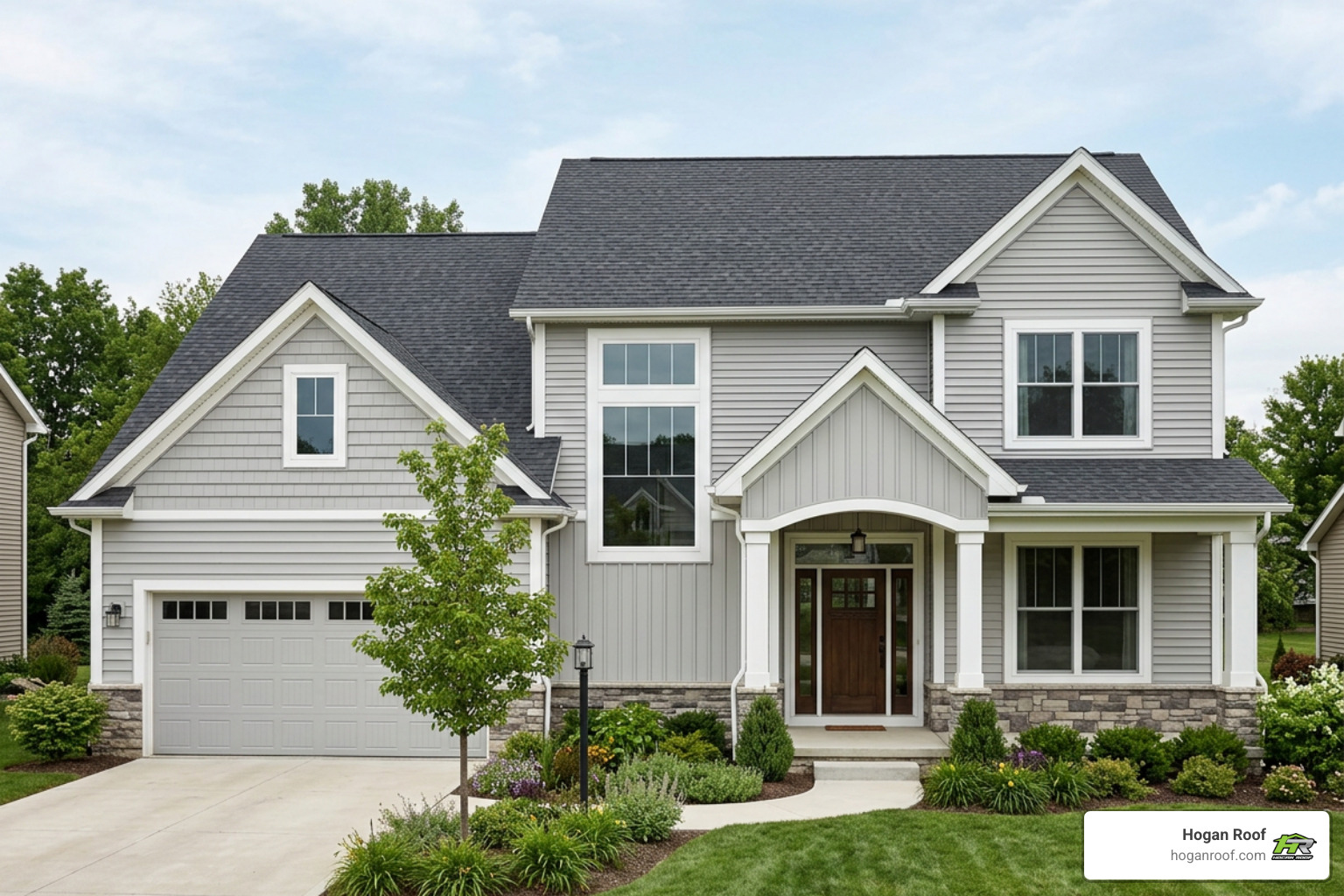
Here are the top siding styles currently shaping neighborhoods across Nassau County:
- Traditional Traditional Lap Siding: The classic American look featuring overlapping horizontal planks. Available in traditional 4-inch or 5-inch exposure widths, this versatile style fits almost any home design from Levittown cape cods to Syosset colonials.
- Dutch Lap Siding: Similar to traditional lap siding, but with a bevel cut out along the top edge of each plank. This distinct groove casts sharp shadow lines, adding dimension and character to sprawling facade walls.
- Board and Batten (Vertical Siding): Alternating wide panels and narrow vertical strips create striking modern aesthetic lines. Frequently used on farmhouse designs or as architectural accents on gables and entryway walls.
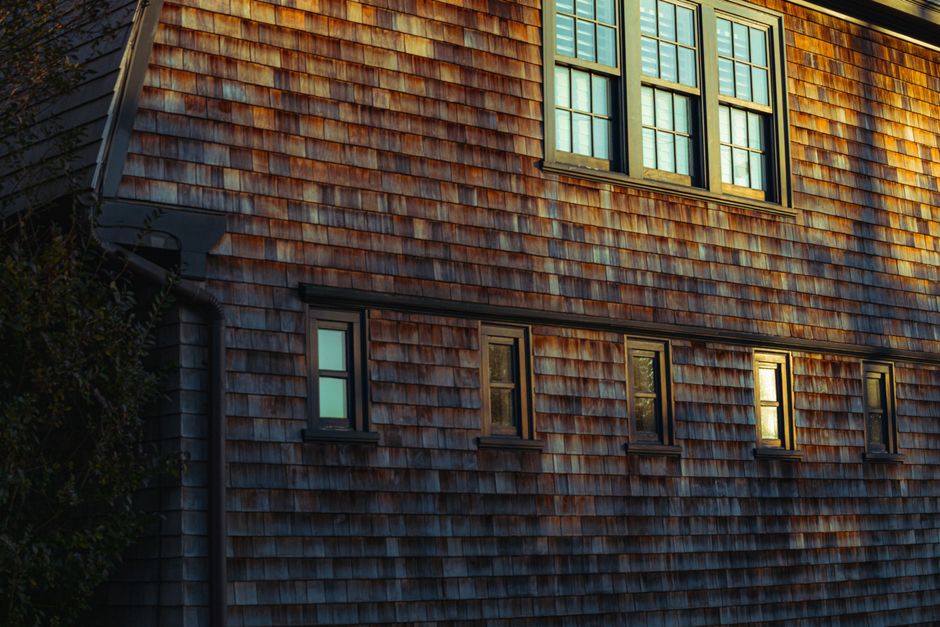
- Vinyl Cedar Shakes & Shingles: Designed to mimic the rustic, textured look of hand-split wood shingles without the continuous staining, sealers, or rot risk. It is immensely popular in coastal communities like Long Beach, Glen Cove, and Port Washington.
- Color Trends: Homeowners are moving away from plain light beige toward bold, coastal-inspired palettes. Deep navy blues, slate grays, rich forest greens, and dark charcoal tones trimmed with stark white corners are very popular right now.
Cost Breakdown: Vinyl Siding Pricing and Long-Term Value
Understanding project costs helps you plan your home renovation wisely. The total cost of a vinyl siding project in Nassau County depends on several factors, including house square footage, wall layout complexity, old siding removal, trim work details, and whether you choose standard or insulated panels.
| Siding Material Type | Average Material & Labor Cost (per sq. ft.) | Estimated Initial Investment (2,000 sq. ft. home) | Maintenance Requirements | Expected Lifespan |
|---|---|---|---|---|
| Standard Vinyl Siding | $6.50 – $11.00 | $13,000 – $22,000 | Low (Occasional wash down) | 30 – 40 Years |
| Insulated Vinyl Siding | $9.00 – $15.00 | $18,000 – $30,000 | Low (Occasional wash down) | 35 – 50 Years |
| Vinyl Cedar Shakes | $10.00 – $16.50 | $20,000 – $33,000 | Low (Occasional wash down) | 30 – 50 Years |
| Natural Wood Siding | $12.00 – $22.00 | $24,000 – $44,000 | High (Repaint/stain every 3–5 yrs) | 20 – 30 Years (if maintained) |
| Fiber Cement Siding | $11.00 – $19.00 | $22,000 – $38,000 | Moderate (Repaint every 10–12 yrs) | 30 – 50 Years |
Note: Pricing estimates reflect average labor and material regional costs in 2026. Actual project quotes vary based on home height, wall prep, custom trim details, and structural repairs.
While natural wood or fiber cement may carry high upfront material or maintenance demands, vinyl provides maximum return on investment (ROI). You save thousands of dollars over a decade by completely eliminating repainting, restaining, and continuous wood patch repairs. To understand how material choices fit into your exterior renovation budget, view our guide on transparent project pricing.
Key Guidelines for Nassau County Regulations, Permits, and Maintenance
Navigating a successful siding replacement project involves more than just selecting a beautiful color. You must also account for municipal requirements, local zoning ordinances, building codes, and basic long-term maintenance habits.
Navigating Local Permits, HOA Rules, and Co-Op Guidelines
Nassau County consists of three major towns (Hempstead, Oyster Bay, and North Hempstead), two cities (Long Beach and Glen Cove), and dozens of incorporated villages—each with its own specific building department rules and permitting criteria.
- Town & Village Permits: Many incorporated villages (such as Garden City, Great Neck, or Freeport) require building permits and architectural board reviews prior to altering exterior facade materials or colors. Your contractor should confirm local permit requirements before pulling off existing materials.
- HOA and Co-Op Board Requirements: If you reside in a gated townhouse community or housing cooperative, board approval is almost always mandatory. Boards often mandate strict architectural guidelines regarding permitted color options, panel trim widths, and style uniformity across units.
- Historic District Regulations: Homes located within designated historic districts may have strict restrictions on installing modern vinyl over original wood framing. Always check local historical commission rules before starting work.
Preventing Warping and Maintaining Your Vinyl Siding
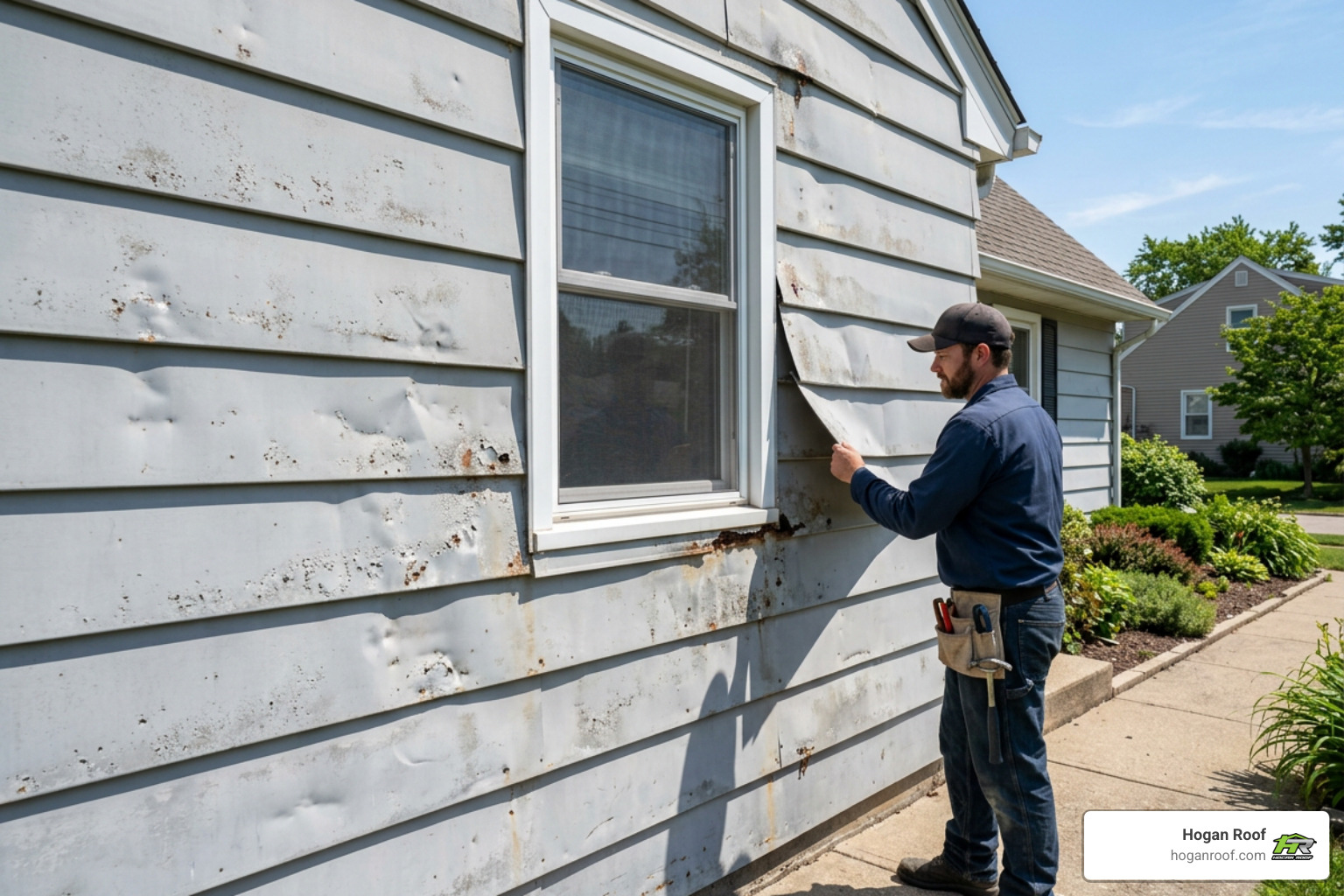
Vinyl siding is celebrated for being virtually maintenance-free, but "low maintenance" does not mean "zero attention." Proper installation technique is the absolute key to preventing common siding issues like buckling, warping, or cracking.
Prevent Siding Warping and Buckling
Vinyl expands and contracts significantly as outdoor temperatures change from summer heat to winter freeze. A standard 12-foot panel can expand up to 1/2 inch across seasons.
- Never Nail Tight: Professional installers must leave roughly a 1/32-inch gap between the nail head and the vinyl panel flange, essentially hanging the panel rather than locking it down hard.
- Provide Thermal Clearance: Installers must leave a 1/4-inch expansion gap at all vertical channel ends (corner posts, J-channels around windows and doors).
- Avoid High-Heat Reflection: Low-E energy-efficient windows on neighboring houses can focus intense sunlight onto adjacent siding like a magnifying glass. If intense reflected heat is an issue, heat-deflecting vinyl formulations or shade landscaping should be used.
Easy Annual Upkeep Routine
To keep your vinyl exterior looking crisp and vibrant year after year, follow these basic care guidelines:
- Gentle Annual Wash: Once a year, spray down the walls using a mild garden hose and a solution of warm water, soft dish soap, or diluted white vinegar to clear away salt residue and dirt.
- Avoid Excessive Power Washer Pressure: High-pressure power washing can force water behind the weather barrier and into exterior wall cavity insulation. Keep nozzle pressures low and angle spray downwards rather than blasting upward under panel laps.
- Clear Vegetation and Heat Sources: Keep heavy tree branches, shrubbery, and outdoor grills several feet away from panels. Radiant heat from gas grills will quickly distort vinyl cladding if parked too close.
How to Choose the Best Vinyl Siding Nassau County Contractor
Choosing the right installation crew is just as important as choosing high-grade siding panels. Even the best siding materials will fail, warp, or leak if installed improperly.

When evaluating potential contractors for your home, look for these critical criteria:
- Proper Local Licensing and Insurance: Nassau County requires general contractors to hold a valid Consumer Affairs home improvement license. Always verify active general liability and worker's compensation insurance coverage to protect yourself from liability.
- Proven Tri-State Experience: Look for an established business that understands local coastal conditions and regional building code requirements.
- Detailed Written Scope of Work: A trustworthy contractor provides a line-item estimate detailing brand names, panel thickness, underlayment type, flashing installations, soffit and fascia replacement, dump fees, and estimated project duration.
- Strong Manufacturer Warranties: Premium vinyl products offer non-prorated limited lifetime warranties. Ensure your installer is factory-certified so your warranty remains fully valid.
When you work with our team at Hogan Roof, you receive the expertise of an Owens Corning Platinum Preferred Contractor with over two decades of local exterior service. We guide you through material selection, handle local permitting, and back our work with comprehensive craftsmanship guarantees. To speak with our local exterior specialists about your property, consider contacting expert installers today.
Frequently Asked Questions About Siding in Nassau County
Here are direct answers to common questions homeowners ask when planning an exterior siding upgrade in our area:
How long does vinyl siding last in Long Island's coastal climate?
Quality vinyl siding installed by experienced professionals typically lasts between 30 and 50 years. Premium thick-gauge paneling resists coastal salt spray, moisture absorption, and extreme UV degradation far better than traditional painted wood. Most major vinyl manufacturers back their products with 30-year to lifetime limited transferable warranties.
Are there rebates or tax incentives for installing energy-efficient siding?
Federal energy efficiency tax credits and local utility programs frequently update their incentive schedules. While standard vinyl cladding does not qualify on its own, installing insulated vinyl siding meeting specific ENERGY STAR thermal performance thresholds (R-value gains) or adding rigid continuous foam house wrap insulation during installation can qualify homeowners for federal energy-efficiency tax credits under current home improvement incentive guidelines.
What is the average cost to install vinyl siding on a home in Nassau County?
For a standard 2,000-square-foot single-family home in Nassau County, professional vinyl siding installation costs generally range between $13,000 and $25,000. Overall costs depend on selected material grades (standard paneling vs. heavy-gauge insulated vs. vinyl cedar shakes), wall prep needs, trim detailing around windows, and whether old siding tear-off is required.
Conclusion
Upgrading your home's exterior with high-performance vinyl siding is one of the most effective ways to boost curb appeal, enhance weather resistance, and protect your property against severe coastal climate conditions. By choosing the right panel style, incorporating energy-saving thermal backing, and securing expert installation, you eliminate constant repainting chores while dramatically increasing your home's overall value.
At Hogan Roof, we bring over 20 years of hands-on tri-state exterior experience to every project. We provide free inspections, practical style guidance, flexible project financing, and pristine craftsmanship to ensure your home looks incredible for decades to come.
Ready to transform your home's exterior? Reach out to our team today to explore our professional vinyl siding services and schedule your free, no-obligation home estimate.