The Ultimate Guide to Long Island Siding Company Services
Popular Materials Offered by a Long Island Siding Company
Choosing the right exterior cladding means balancing curb appeal with weather resistance. Long Island's geography exposes homes to a mix of salt spray, high humidity, freezing winter nor'easters, and intense summer sun. A quality siding installation must act as a durable shield against moisture intrusion and rot while maintaining structural integrity during coastal storms. For a broader look at how modern cladding systems manage moisture, the Vinyl siding overview from Wikipedia explains how interlocking panels and proper underlayment work together to shed water.
| Siding Material | Durability Rating | Maintenance Needs | Relative Cost | Best For |
|---|---|---|---|---|
| Traditional Vinyl | 20–30 Years | Low (occasional washing) | Budget-Friendly | Cost-effective curb appeal |
| Insulated Vinyl | 25–35 Years | Low | Moderate | Energy savings & impact resistance |
| Fiber Cement | 30–50 Years | Low to Moderate (repainting every 10–15 yrs) | Moderate to High | High wind, fire, and storm resistance |
| Cedar Shingle | 20–40 Years | High (staining/sealing every 3–5 yrs) | Premium | Historic coastal aesthetic |
| Aluminum/Metal | 30–40 Years | Low (watch for scratches/dents) | Moderate | Moisture and insect defense |
Vinyl and Insulated Vinyl Siding Solutions
Vinyl remains the most popular exterior option across our region, accounting for over 60% of all local installations. Modern manufacturing has transformed vinyl from brittle plastic panels into high-performance cladding available in dozens of architectural profiles, textures, and rich colors.
For homeowners seeking maximum thermal efficiency, insulated vinyl features a contoured foam backing bonded directly to the panel. This backing dramatically boosts the exterior wall's R-value, bridges thermal breaks across wall studs, and absorbs physical impacts from stray baseballs or windblown branches. If you want to elevate your home's exterior profile in Western Long Island, explore our tips for upgrading your exterior with the best vinyl siding in Nassau County. Similarly, coastal conditions out east present distinct challenges; read our guide on how to choose the right vinyl siding in Suffolk County to see how panel thickness and UV inhibitors protect your investment.
Fiber Cement and Cedar Shake Alternatives
Fiber cement, made from a blend of Portland cement, sand, and cellulose fibers, offers unmatched resilience against harsh coastal climates. Brands like James Hardie provide non-combustible profiles that withstand hurricane-force gusts, repel wood-boring pests, and resist rotting in moist environments. An added benefit: fiber cement can increase a home's resale value by up to 80% of the project cost, making it one of the smartest exterior investments available.
If you love the timeless charm of East End coastal architecture, natural cedar shingles offer an authentic texture that ages into an iconic silvery-gray patina. However, real wood requires diligent upkeep to fend off mold and rot. When planning an authentic restoration, learning the essentials of mastering cedar shingle siding replacement for your home helps ensure proper installation techniques, back-venting, and fastener selection.
Metal and Aluminum Siding Options
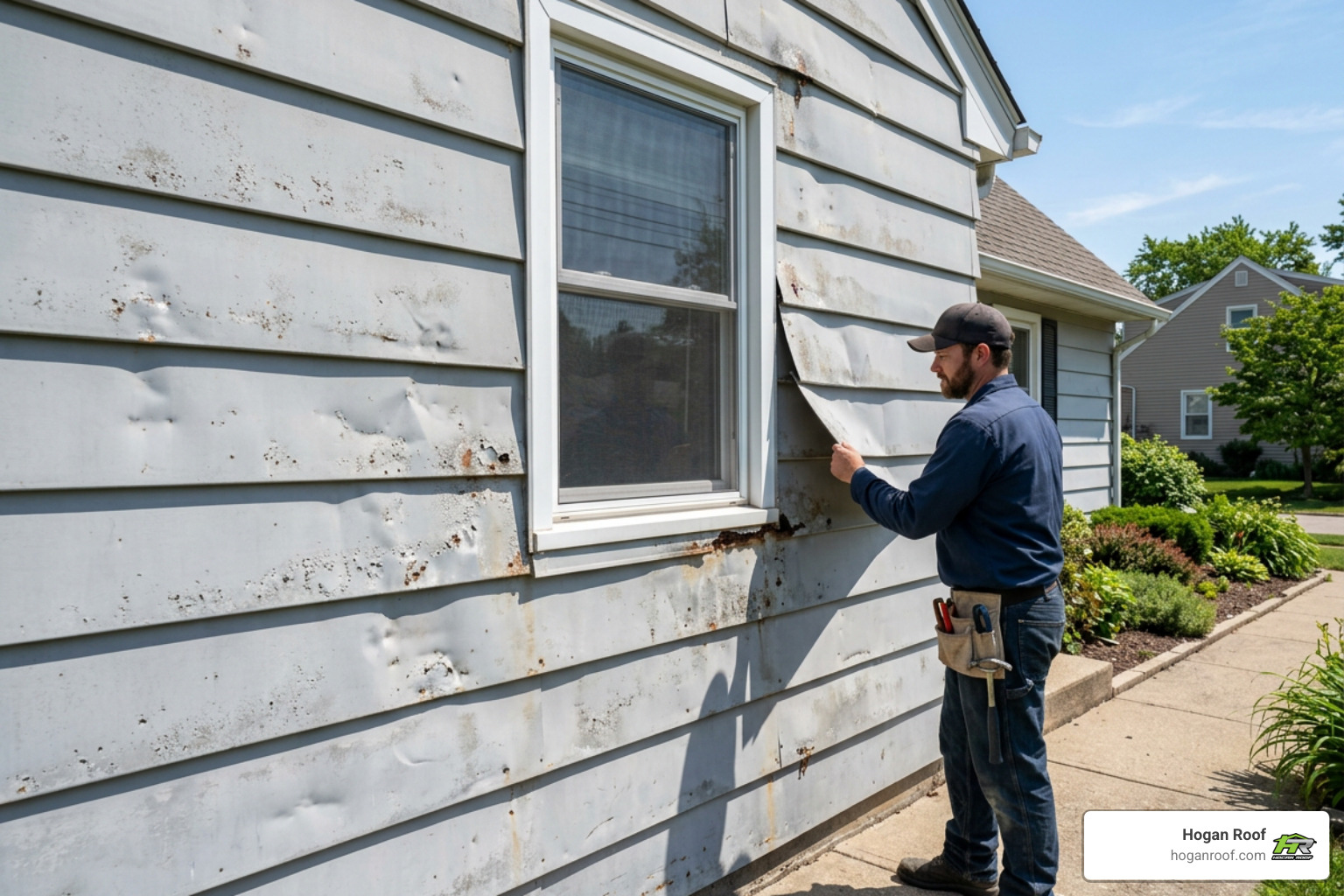
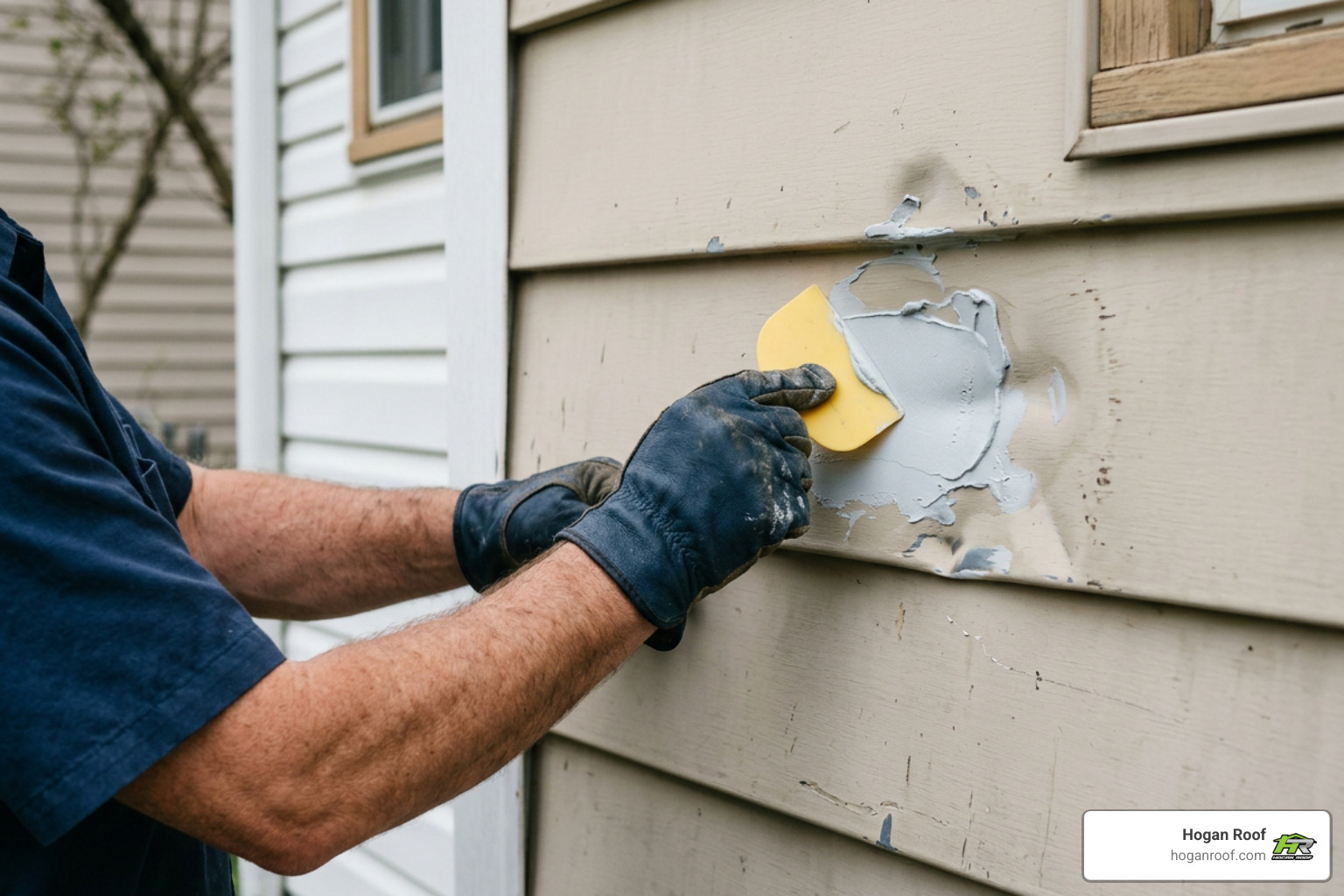
Aluminum and modern steel siding deliver exceptional protection against coastal pests, mildew, and fire. Metal will not absorb water, making it immune to swelling or rotting during extended rainy stretches. While durable, older aluminum profiles can be prone to dents from hail or falling tree limbs. If your existing metal panels are showing their age, our walkthrough on a simple guide to repairing loose or dented aluminum siding covers quick fixes to keep your home sealed before a full replacement is needed.
Factors Influencing Siding Costs and Energy Efficiency on Long Island
Investing in new siding is one of the most effective ways to lower your monthly utility expenses. Over 70% of Long Island homes built before 1980 still carry outdated original siding or inadequate underlayment, allowing heated air to escape in the winter and humid heat to seep inside during the summer.
Several primary factors dictate the final investment required for your home:
- Home Dimensions and Architecture: Multi-story layouts, complex rooflines, dormers, and architectural turrets require additional labor, staging, and custom trim fabrication.
- Material Selection: Standard vinyl represents the entry price point, while engineered composite, premium fiber cement, and custom cedar shakes command higher material budgets.
- Tear-Off and Sheathing Repairs: Removing old layers (such as asbestos tiles or damaged wood shakes) requires safe disposal. Repairing rot-damaged plywood sheathing beneath old siding ensures the new panels anchor securely.
- Insulation Upgrades: Adding continuous rigid foam insulation behind new cladding stops thermal bridging across wall studs, noticeably reducing heating and cooling demands year-round.
For transparent cost expectations tailored to local homes, check our detailed guide on transparent exterior pricing, or review our breakdown of understanding the real cost to re-shingle your home siding.
How to Vet and Select the Right Contractor
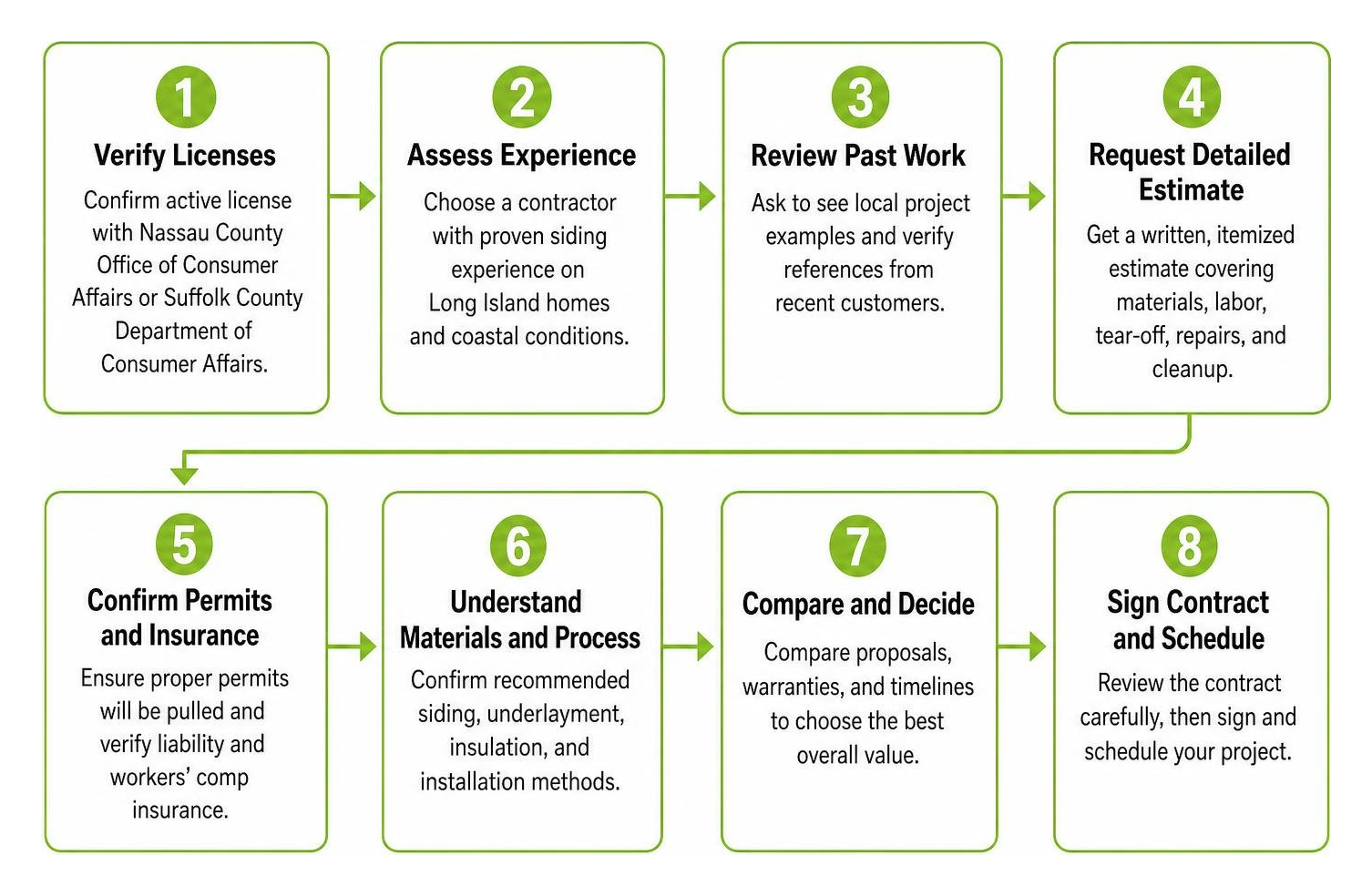
Hiring an experienced contractor protects your property from water infiltration and structural headaches down the road. Never work with an unverified installer who cuts corners on flashing, permits, or safety.
When vetting local contractors, verify these essential credentials:
- County Licensing: Ensure the contractor holds an active license with the Nassau County Office of Consumer Affairs or the Suffolk County Department of Consumer Affairs.
- Comprehensive Insurance: Require proof of general liability insurance and active workers' compensation coverage to protect you from jobsite liabilities.
- Manufacturer Certifications: Elite designations, like our standing as an Owens Corning Platinum Preferred Contractor, reflect proven factory standards, verified installation quality, and financial stability.
- Local References: A trusted contractor should readily share verifiable local references and past project galleries across Nassau and Suffolk communities.
Take time to read verified customer reviews to see how past clients rate the team's cleanliness, timeliness, and communication. Working with a company that delivers comprehensive exterior services ensures all components of your building envelope work seamlessly together.
Evaluating Warranties from a Long Island Siding Company
A dependable warranty package includes two distinct levels of protection: the manufacturer warranty and the workmanship guarantee .
Manufacturer warranties cover factory defects such as premature fading, peeling, cracking, or delamination—often extending 30 to 50 years, or even a lifetime for certain vinyl and composite lines. Workmanship guarantees, provided directly by your installer, cover installation errors such as improper nailing, loose j-channels, flashing leaks, and seam failure. When discussing warranties, confirm whether wind-load ratings cover severe coastal storms and whether the protection can be transferred to a new owner if you sell your home.
Navigating Permits, Town Codes, and Project Timelines
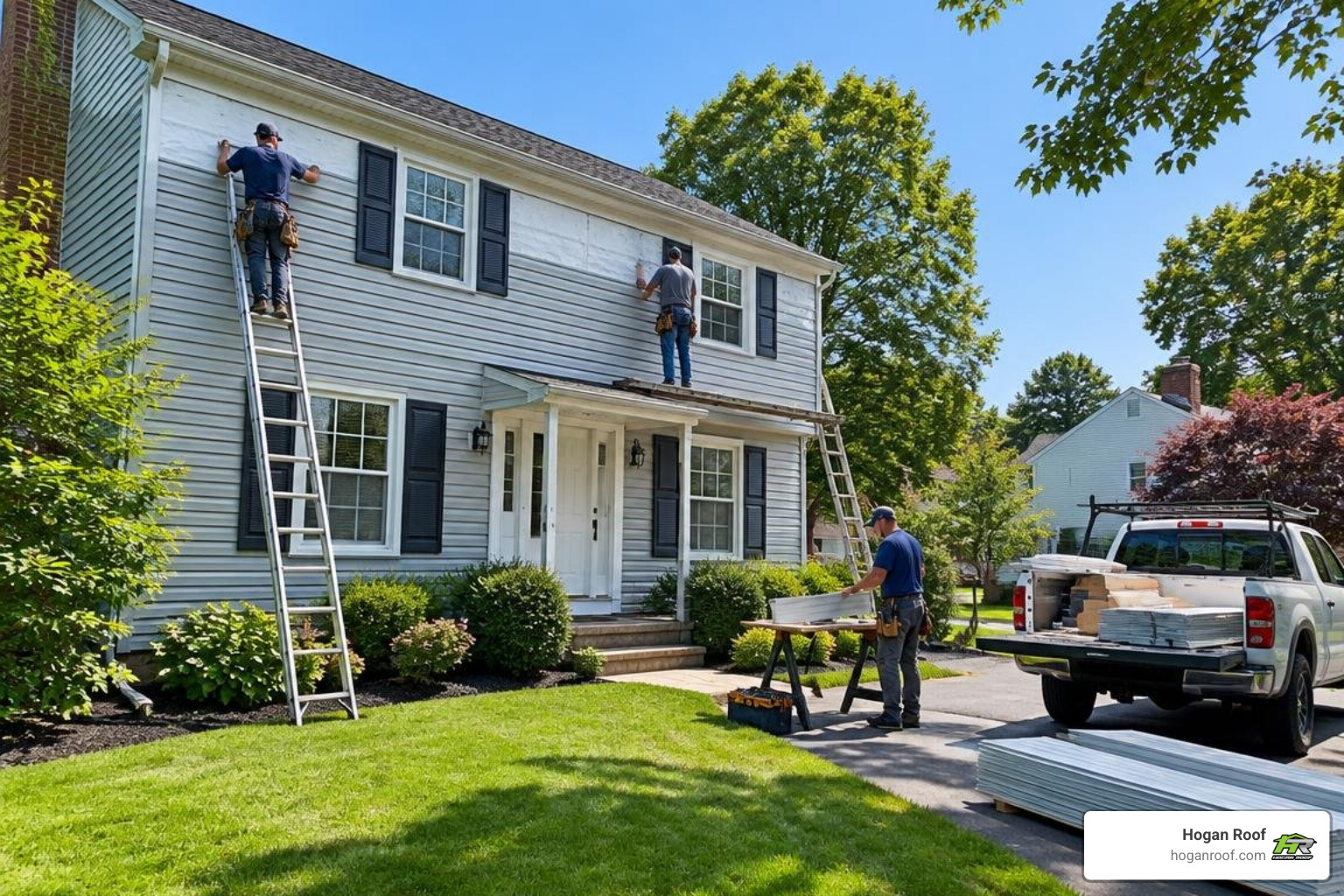
Building codes vary significantly across Long Island's towns and villages. Whether you reside in Hempstead, Oyster Bay, Huntington, Brookhaven, or an incorporated coastal village, replacing exterior cladding frequently requires building permits and structural compliance checks.
- Local Town Permits: Most local municipalities require permits for structural sheathing replacements, exterior alterations, or full tear-offs.
- HOA and Historic Guidelines: Communities with strict architectural review boards or historical designations often specify approved color palettes, materials, and reveal profiles.
- Coastal and Flood Zones: Properties located in FEMA-designated flood zones may require specific impact-rated fasteners and water-resistant materials below base flood elevations.
Typical Siding Replacement Process
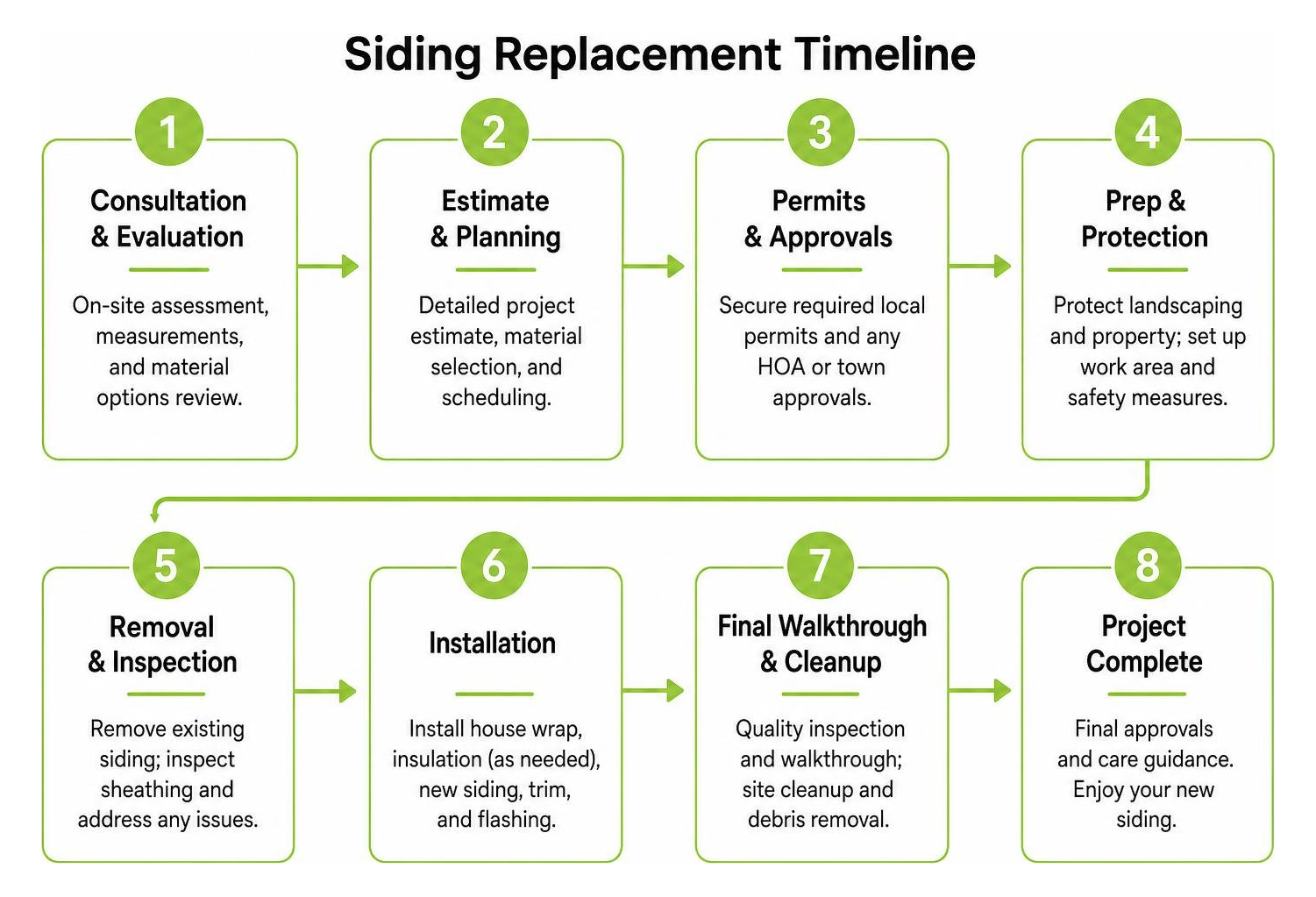
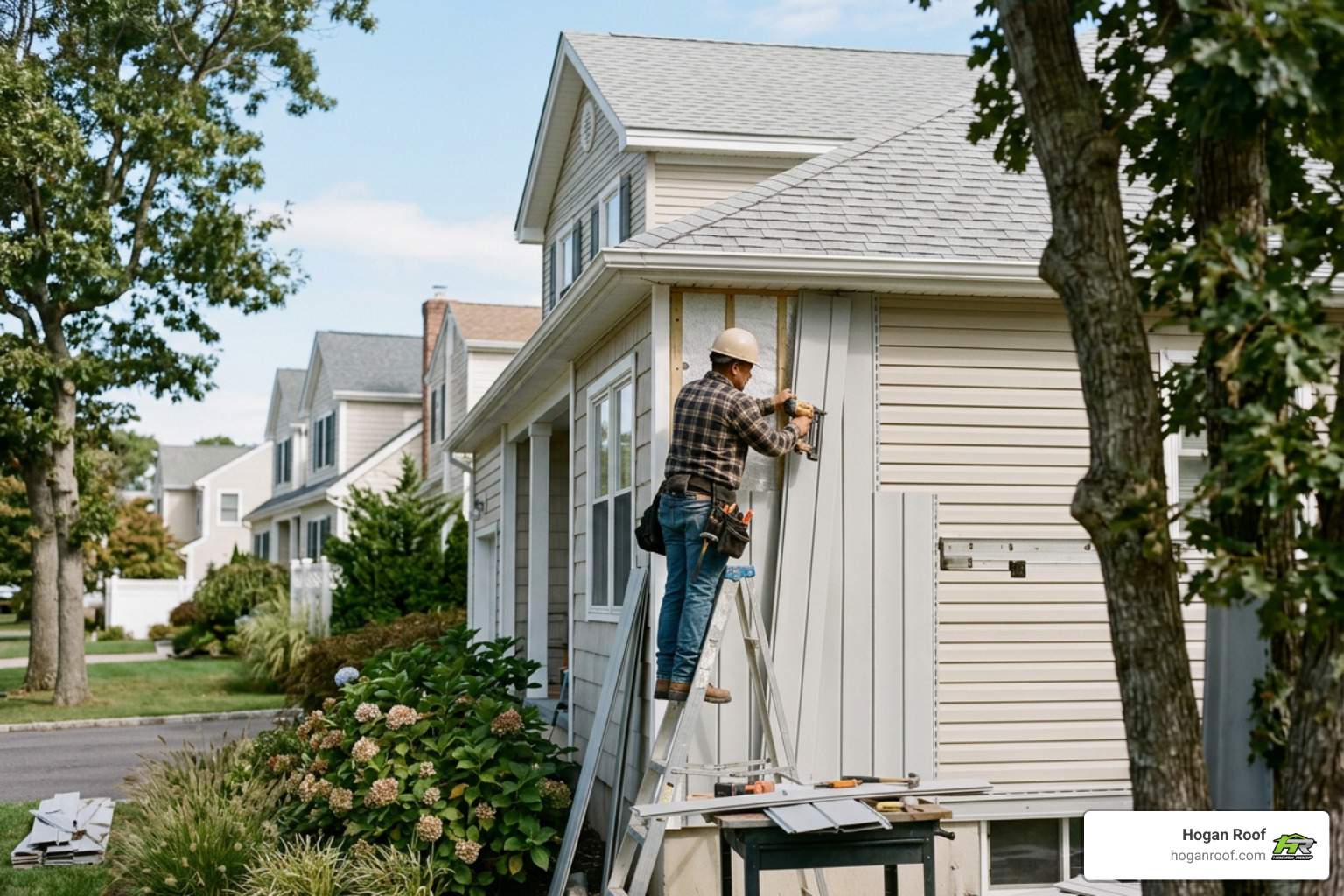
A standard siding replacement on an average single-family home takes between 3 to 7 working days once on-site construction begins, depending on weather conditions, material availability, and structural prep work.
What to Expect During a Long Island Siding Company Consultation
During an initial consultation, we conduct an on-site exterior evaluation, checking for hidden rot, assessing existing wall ventilation, and measuring your home's exterior surface. We walk you through various material choices, profile textures, and trim packages to achieve the exact aesthetic you want. To help you plan comfortably, we also provide clear project estimates alongside flexible project financing options.
Frequently Asked Questions About Long Island Siding
How long does a siding replacement project take on Long Island?
A full siding replacement on an average 2,000-square-foot home typically takes 3 to 5 business days. Tear-off and sheathing repairs take 1 to 2 days, followed by house wrap, flashing installation, panel mounting, and custom trim finishing. Inclement coastal weather like heavy rain or high winds can extend this timeline slightly.
What siding material is best suited for Long Island coastal storms?
Fiber cement and heavy-gauge insulated vinyl are two of the best choices for coastal properties. Fiber cement resists hurricane-force winds up to 130 mph, repels flying debris impacts, and does not rot in salt-heavy air. High-grade insulated vinyl also provides exceptional impact resistance and interlocking seams that stay secure during severe storms.
How does new siding protect against local humidity and mold?
Siding works as a rainscreen, but the real defense against humidity and mold lies underneath. Installing a breathable, weather-resistive house wrap combined with tape-sealed seams allows indoor water vapor to escape while stopping driving rain from reaching the wood frame. Flashing integrated around windows, doors, and residential roofing and exterior systems prevents hidden moisture accumulation behind the walls.
Conclusion
Upgrading your home's exterior protects your property value, lowers energy bills, and shields your living space from harsh coastal elements. Partnering with experienced professionals ensures that every panel, flashing corner, and moisture barrier meets rigorous safety and durability standards.
With more than 20 years of experience serving homeowners across the NY/NJ/CT tri-state area, Hogan Roof brings proven craftsmanship and transparent communication to every project. To upgrade your home's exterior with durable materials and dedicated craftsmanship, explore our professional Long Island siding services, or schedule an exterior consultation with our team today.