Average Cost Breakdown to Replace Aluminum Siding
What Does Aluminum Siding Replacement Cost in 2026?
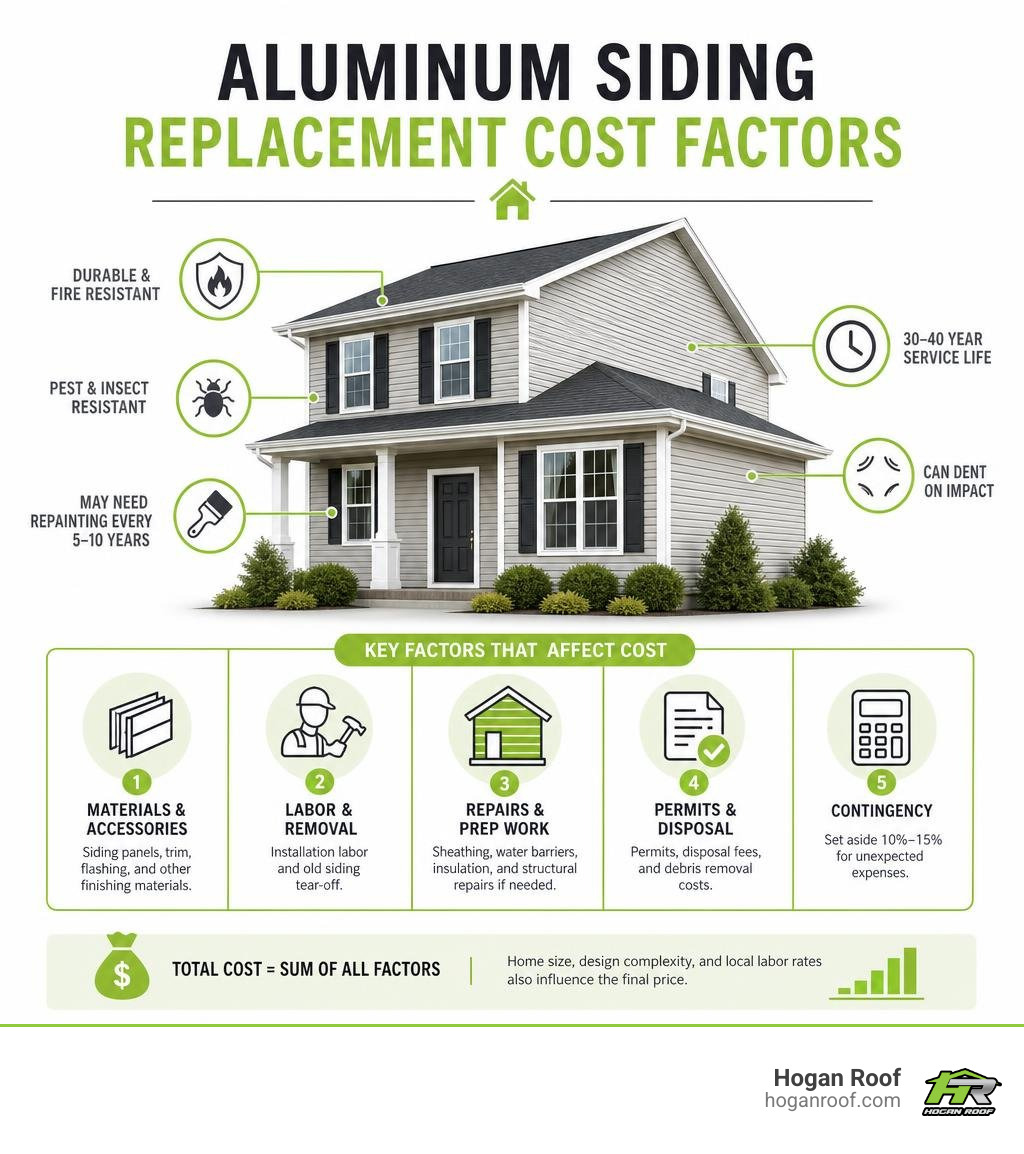
In 2026, the aluminum siding replacement cost for most homes is roughly $6,000 to $25,000 , or about $3 to $10 per square foot installed . A 2,000-square-foot home may fall around $5,400 to $20,000 , but tear-off, repairs, insulation, trim, and local labor rates can push the final price higher.
For a useful starting budget, ask contractors to separate these costs:
- New aluminum siding materials and accessories
- Labor and old-siding removal
- Repairs to sheathing, flashing, or water barriers
- Permits, disposal, and a 10% to 15% contingency
Aluminum is a strong option when fire resistance, pest resistance, and a 30- to 40-year service life matter more than the lowest upfront price. It can dent, and it may need repainting every 5 to 10 years, but sound existing panels can sometimes be painted for less than a full replacement.
I am Bill Hogan, owner of Hogan Roof, with more than 20 years of experience helping NY/NJ/CT homeowners plan roofing, gutter, and siding work. In this guide, I will break down the aluminum siding replacement cost so you can compare estimates, spot overlooked expenses, and choose a solution that fits your property and budget.
Quick aluminum siding replacement cost terms:
Understanding Total Aluminum Siding Replacement Cost in 2026
When calculating your overall budget, it helps to understand what goes into the unit pricing. Across the United States in 2026, aluminum siding material and installation combined typically run between $3 and $10 per square foot, though premium panels and complex layouts can reach up to $14.78 per square foot.
The bill is generally split into two main buckets: materials and labor. Labor rates for professional installation range from $2 to $12 per square foot, depending on the complexity of your home's exterior and local market rates. For a broader look at national pricing benchmarks, reviewing an Aluminum Siding Replacement Cost Guide – Current Cost can help you see how these averages align with industry trends.
Old siding removal and disposal (tear-off) typically adds another $1.75 to $3.75 per square foot. If you are replacing an existing exterior rather than building new construction, factoring in tear-off ensures there are no surprises when the first roll-off dumpster arrives.
Average Aluminum Siding Replacement Cost by Home Size
Your home’s total exterior wall surface area—not just its interior square footage—determines how much material and labor your project demands. Multi-story homes, steep rooflines, and dormers add scaffolding requirements that slightly raise the cost per square foot.
| Home Exterior Area (Sq. Ft.) | Basic Panels Installed ($3.50 – $6/sq. ft.) | Mid-Range / Insulated ($6 – $10/sq. ft.) | Premium Architectural ($10 – $15/sq. ft.) | Typical Tear-Off Cost |
|---|---|---|---|---|
| 1,000 sq. ft. | $3,500 – $6,000 | $6,000 – $10,000 | $10,000 – $15,000 | $1,750 – $3,750 |
| 1,500 sq. ft. | $5,250 – $9,000 | $9,000 – $15,000 | $15,000 – $22,500 | $2,625 – $5,625 |
| 2,000 sq. ft. | $7,000 – $12,000 | $12,000 – $20,000 | $20,000 – $30,000 | $3,500 – $7,500 |
| 2,500+ sq. ft. | $8,750 – $15,000 | $15,000 – $25,000 | $25,000 – $37,500+ | $4,375 – $9,375+ |
Key Factors Driving Aluminum Siding Replacement Cost
Several critical variables influence where your project lands within that broad range:
- Metal Gauge (Thickness): Thicker panels (typically low 20-gauge aluminum) cost more upfront but resist hail, stray baseballs, and thermal expansion far better than ultra-thin builder-grade options.
- Finish & Coating: Factory-baked enamel finishes and modern PVDF coatings protect against UV fading and chalking, maintaining vibrant color for years.
- Backing & Insulation: Choosing foam-backed panels or installing continuous rigid foam beneath the siding improves your home's R-value by up to 2.5, cutting heating and cooling bills while dampening outside noise.
- Architectural Complexity: Multiple stories, bump-outs, complex gables, and tight lot lines increase labor hours and equipment needs.
To see how these elements combine with our straightforward project estimates, you can explore our approach to transparent exterior pricing.
Aluminum Siding vs Alternative Siding Materials
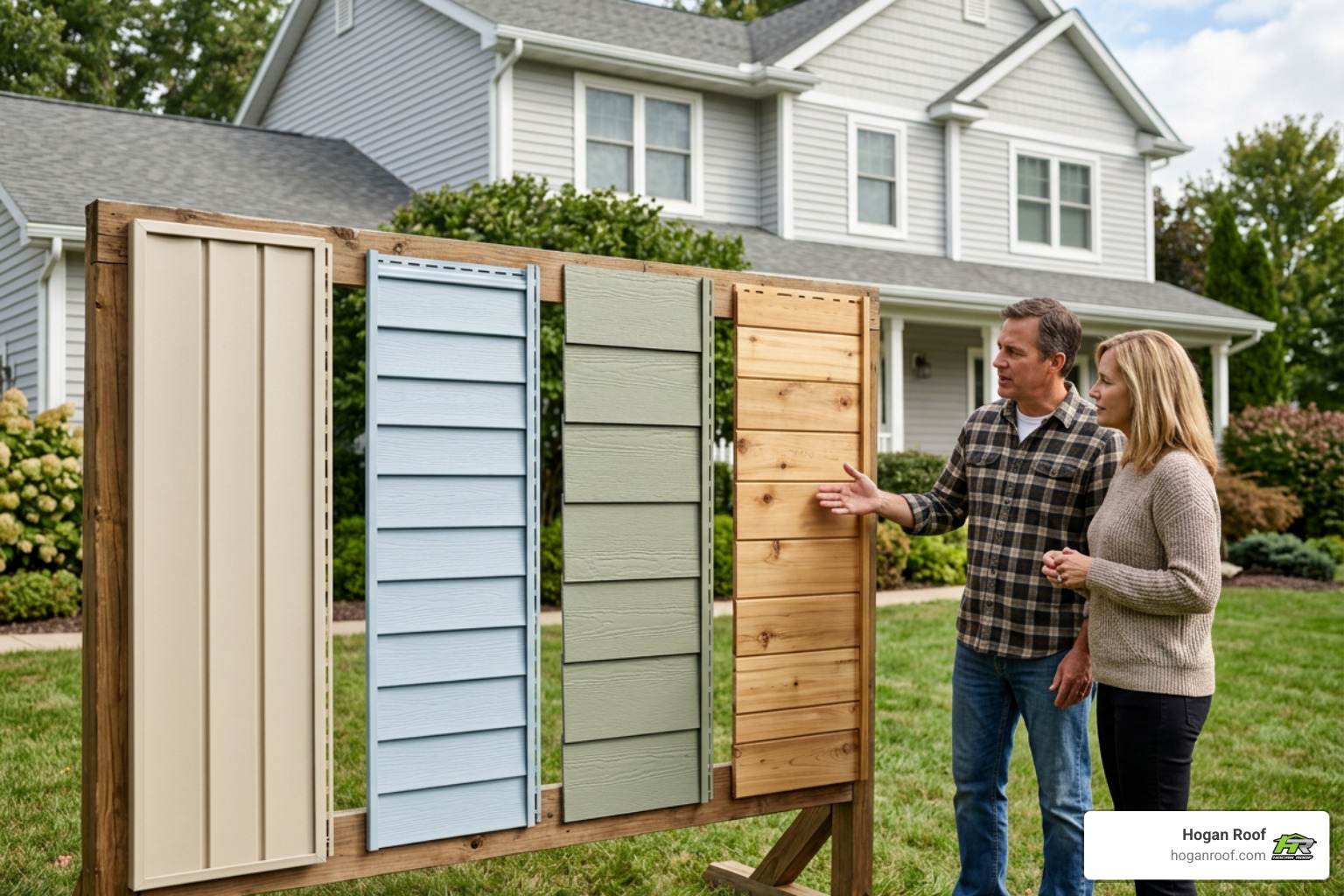
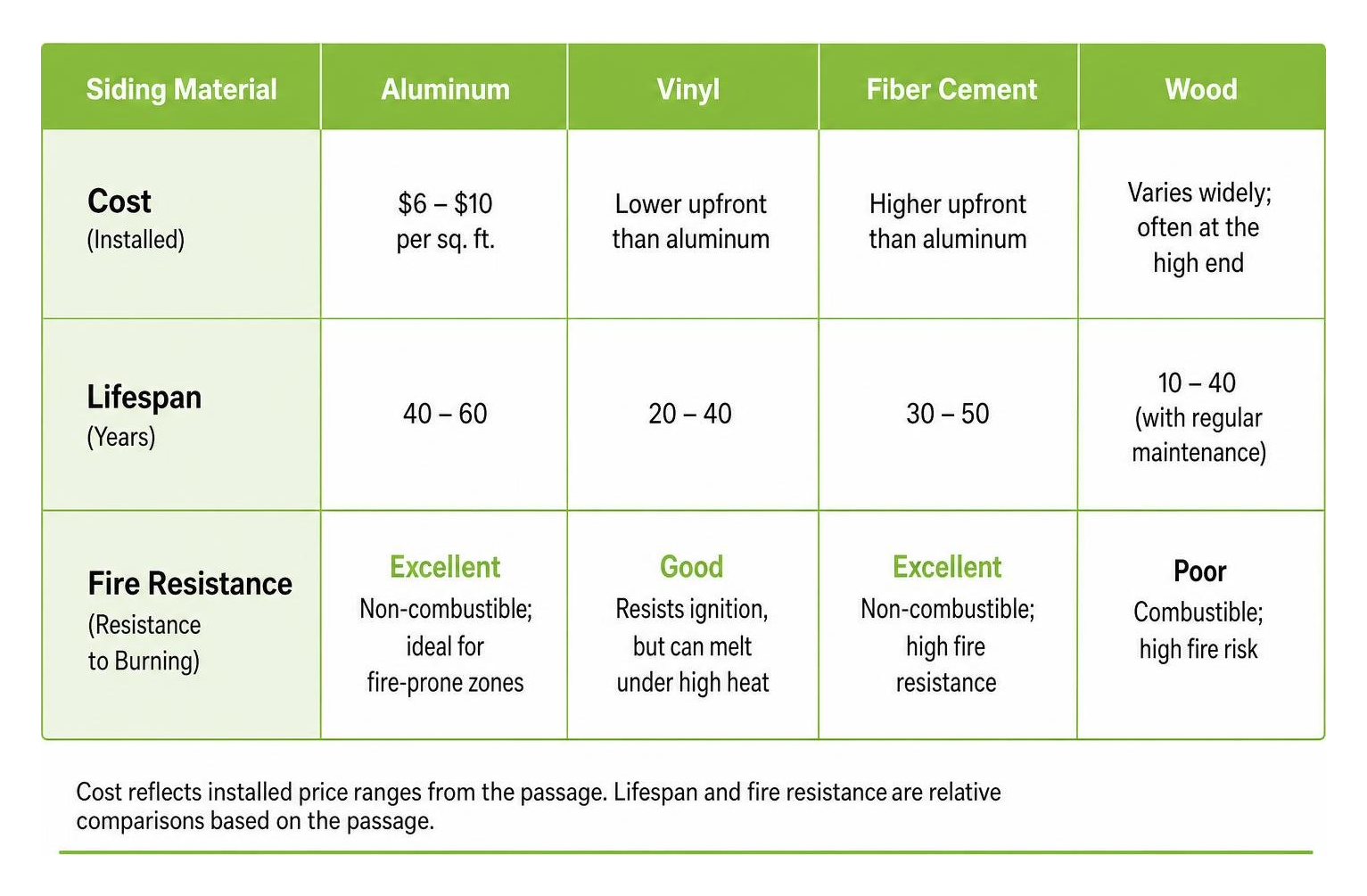
Homeowners considering a remodel often weigh aluminum against vinyl, fiber cement, and wood. While aluminum dominated mid-century American architecture from the 1940s through the 1970s, modern alternatives have expanded the market.
Aluminum remains a premier choice for fire-prone zones and coastal areas due to its non-combustible nature and resistance to salt-air corrosion. However, many homeowners looking for lower upfront costs and zero denting choose to explore selecting vinyl siding in Suffolk County or look into upgrading your exterior with the best vinyl siding in Nassau County.
Painting Aluminum Siding vs Complete Replacement
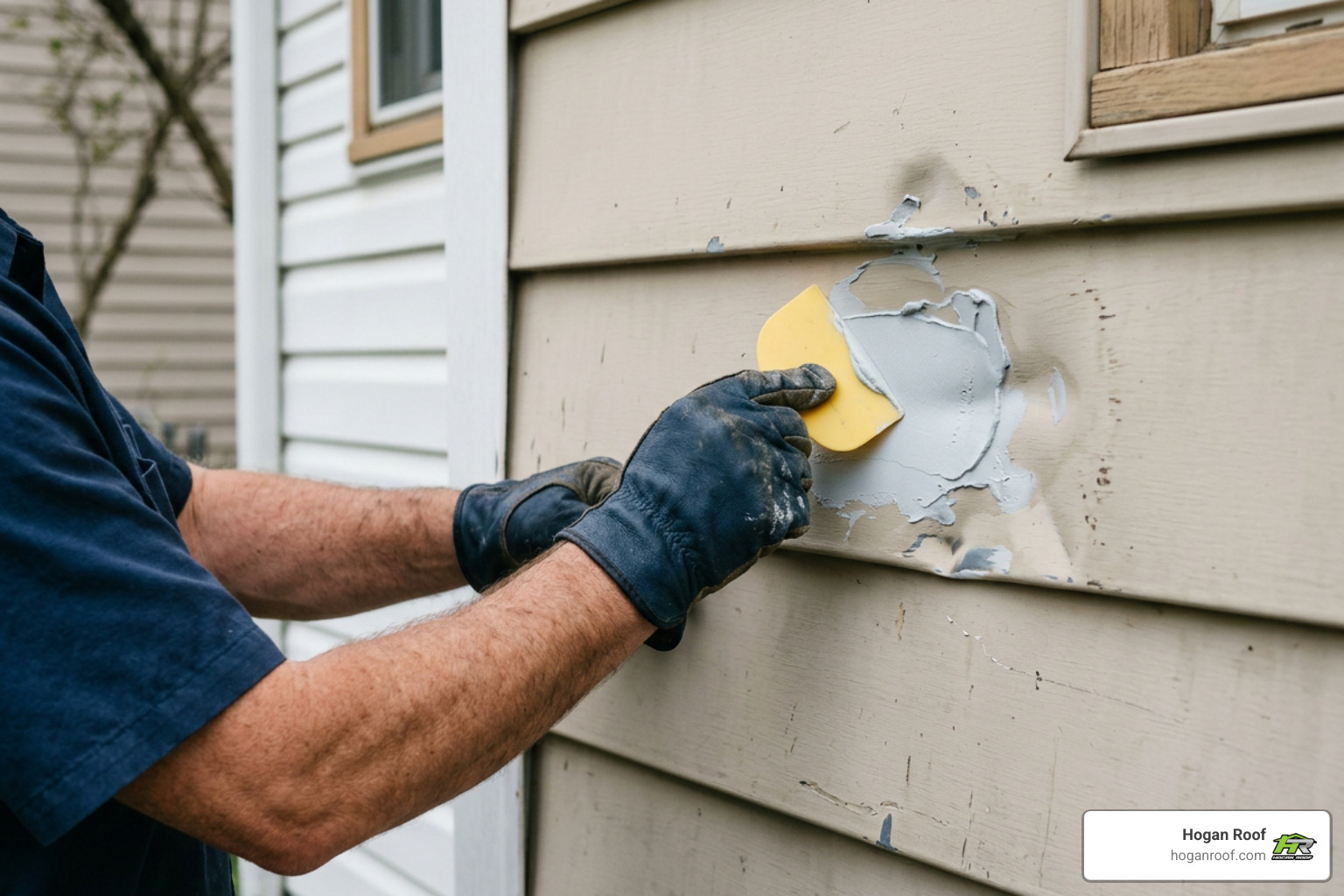
If your existing aluminum siding is structurally intact—meaning it is firmly attached, free of large dents, and not buckling—you might not need a full replacement.
Professional painting generally costs $2 to $5 per square foot (typically $2,250 to $8,500 total). A proper paint job using a self-etching primer and two coats of 100% acrylic latex paint can revitalize an exterior for 10 to 15 years.
When to Paint:
- The metal surface only suffers from chalking or light sun fading.
- There is no widespread oxidation or deep corrosion.
- Panels are flat, straight, and properly interlocked.
When to Replace:
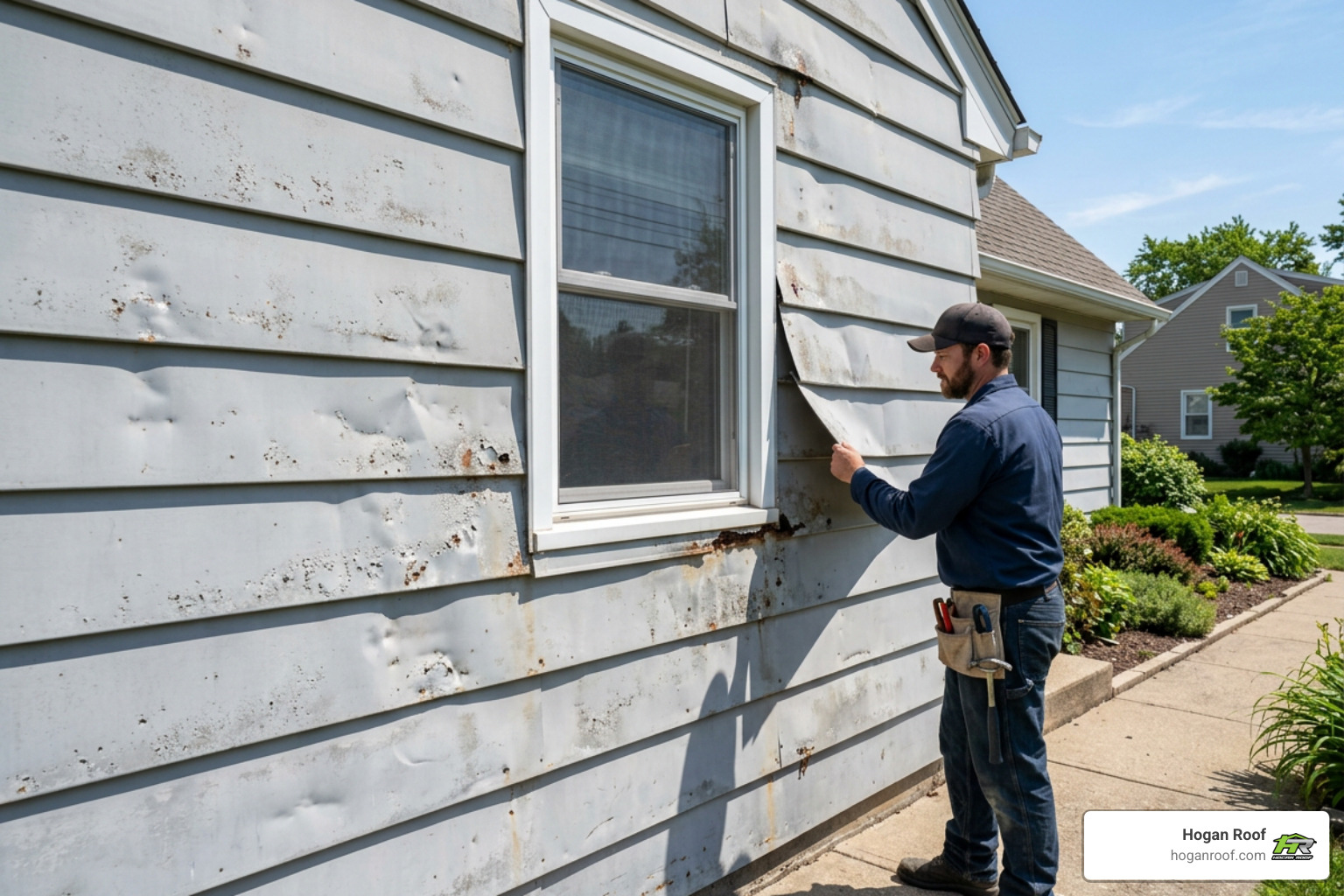
- You have multiple crushed, punctured, or creased panels.
- Siding is pulling away from the wall sheathing.
- You want to upgrade wall insulation to reduce draftiness.
- Moisture or wood rot is suspected behind the siding.
Comparing Metal Siding with Wood Shingles and Fiber Cement
Every cladding material brings trade-offs in durability, maintenance, and aesthetics. Fiber cement (such as James Hardie) delivers exceptional impact resistance and wood-grain realism, costing $7 to $12 per square foot installed. Natural wood siding offers unmatched classic charm, but requires routine sealing and pest monitoring.
If you are weighing metal against traditional wood, check out our guide on re-shingling home siding costs to evaluate lifecycle expenses side by side.
Hidden Expenses and Installation Logistics
A comprehensive siding estimate should account for the supporting elements that keep your home dry and structurally sound. During tear-off, unseen issues can emerge that require attention before new panels are hung.
Budget for these essential accessories and potential repairs:
- Water-Resistive Barriers & Flashing: Installing modern housewrap, window flashing tape, and J-channels prevents bulk water intrusion.
- Sheathing Repairs: Discovering rotted OSB or plywood sheathing behind old panels is common. Expect $50 to $120 per replaced sheet of sheathing.
- Trim, Soffits, and Fascia: Replacing damaged trim wraps, vented soffits, and aluminum fascia adds $5 to $30 per linear foot.
- Building Permits: Local municipal permits range from $500 to $2,000 depending on project valuation.
- Dumpster Rentals & Disposal: Debris hauling fees run $1,000 to $3,000, though metal recycling can offset a fraction of this expense.
Professional Contractor vs DIY Installation
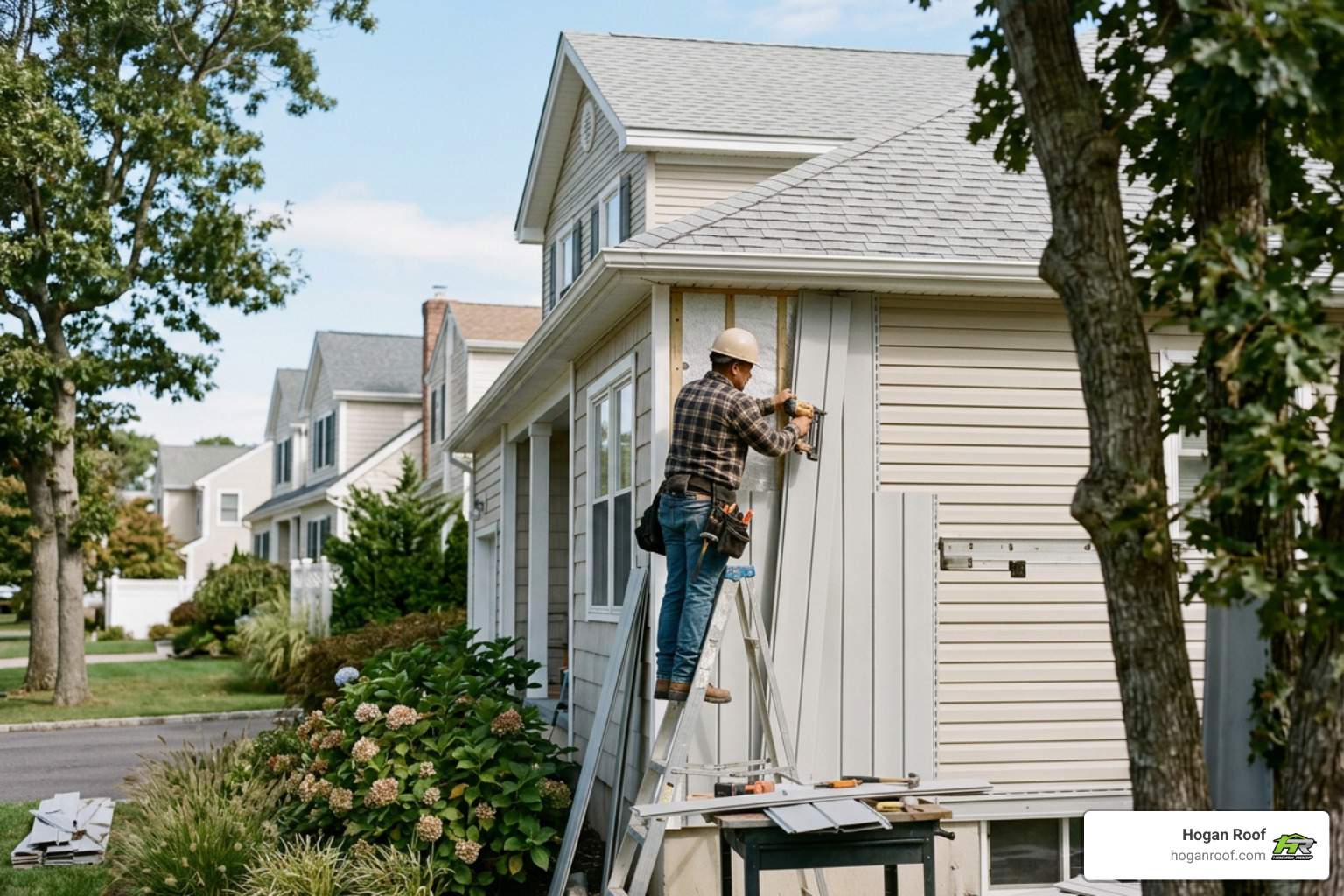
While handling siding installation yourself might seem like an easy way to cut labor expenses, metal siding demands precision. Cutting aluminum requires specialized shears or non-ferrous blades to avoid warping edges, and panels must be nailed with exact tolerances to allow for seasonal thermal expansion.
Improper nailing causes panels to buckle during hot summer days or rattle in heavy winds. Hiring an experienced, licensed siding team ensures proper weatherproofing warranties, preserves manufacturer guarantees, and keeps the project safe.
Return on Investment and Energy Efficiency Upgrades
Siding replacement consistently ranks among the highest-return exterior remodeling projects, recouping roughly 70% of its cost at resale . Beyond curb appeal, replacing old, uninsulated aluminum with modern foam-backed systems cuts thermal bridging across your wall studs, lowering year-round heating and cooling expenses.
To help make whole-home exterior updates manageable, we offer flexible exterior project financing designed to match your monthly budget.
Frequently Asked Questions About Siding Replacement
How long does aluminum siding last before needing replacement?
Aluminum siding lasts 30 to 40 years on average, and high-gauge installations can last up to 50 years with regular maintenance. While the metal panels resist rot and insects indefinitely, factory paint finishes usually begin chalking or fading after 20 to 25 years.
Can recycling old aluminum siding offset tear-off costs?
Yes. Aluminum is 100% recyclable and retains high scrap value. Most professional siding contractors separate clean aluminum panels during demolition and haul them to scrap yards. While it won't pay for your entire remodel, the recycling value helps reduce overall disposal and dumpster fees.
How do I know if my aluminum siding needs replacing instead of repainting?
Replacement is recommended when panels show widespread physical damage, such as creasing, tree branch punctures, or corrosion pitting along the bottom edges. If panels are loose, allowing water behind the wall assembly, a full tear-off is necessary to protect the structural framing underneath.
Conclusion
Upgrading your home’s exterior is an investment that protects your property value, shields your framing from severe weather, and elevates your curb appeal. By obtaining detailed, itemized quotes, adding a 10% to 15% contingency for unseen framing repairs, and choosing the right panel thickness, you can plan your renovation with confidence.
At Hogan Roof, our team brings over two decades of craftsmanship to residential exteriors throughout New York, New Jersey, and Connecticut. Whether you are ready to install high-performance metal siding or want to compare premium vinyl options, contact us today for professional siding replacement services and schedule your free inspection.