Everything You Need to Know About Mobile and House Siding Replacement
Aluminum Siding Replacement: Know When to Repair, Paint, or Start Fresh
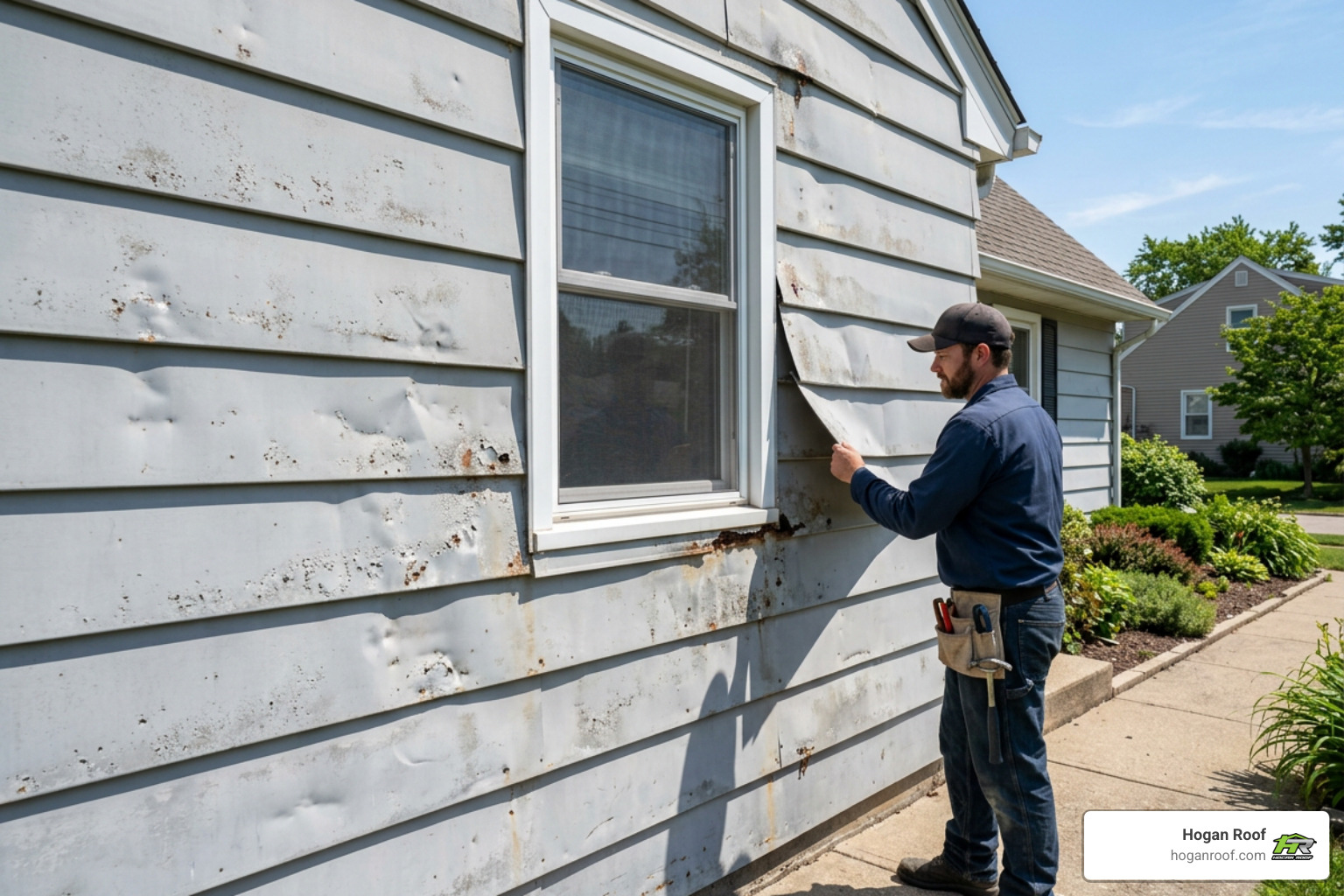
Aluminum siding replacement is the right move when panels are badly dented, loose, corroded, warped, or allowing water behind the wall. If the siding is still flat, secure, and dry behind the panels but simply faded or chalky, professional painting may buy another 5 to 10 years. Start with a close inspection of seams, fasteners, trim, and the wall surface around windows and doors.
New aluminum siding can last 20 to 40 years or longer with proper installation and upkeep. It is waterproof, recyclable, and stable in hot and cold weather, but it can dent and may need repainting over time. For a typical 1,500-square-foot one-story home, replacement commonly costs about $6,500 to $14,000 , depending on removal, panel thickness, trim, repairs, access, and local NY/NJ/CT labor rates.
I am Bill Hogan, owner of Hogan Roof, with more than 20 years of experience helping homeowners and businesses across the NY/NJ/CT tri-state area protect their properties with roofing, gutters, and aluminum siding replacement. In this guide, I will help you spot real siding failure, understand your options, and plan a replacement with fewer surprises.
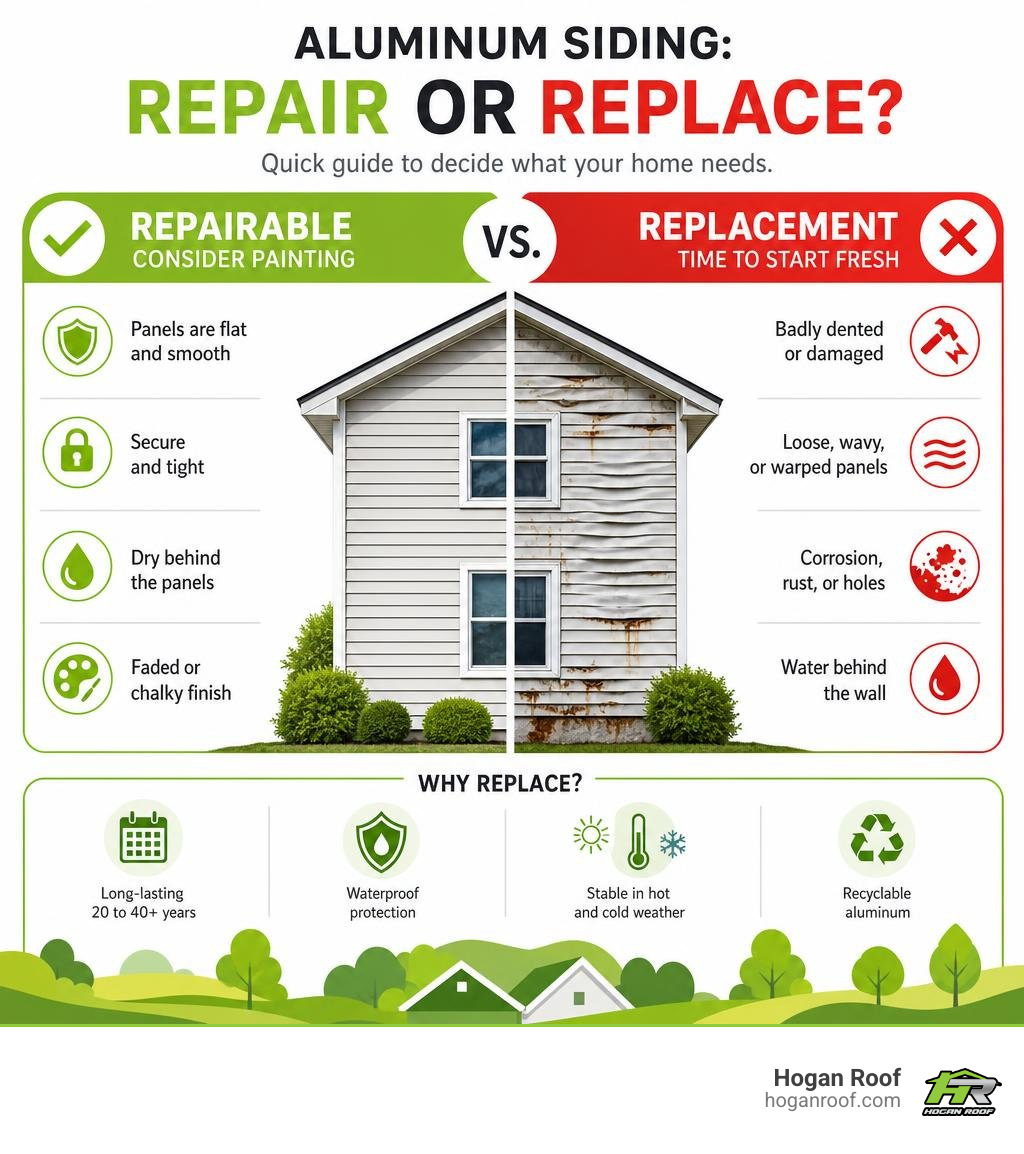
Aluminum siding replacement definitions:
Cost Drivers and Estimates for Aluminum Siding Replacement
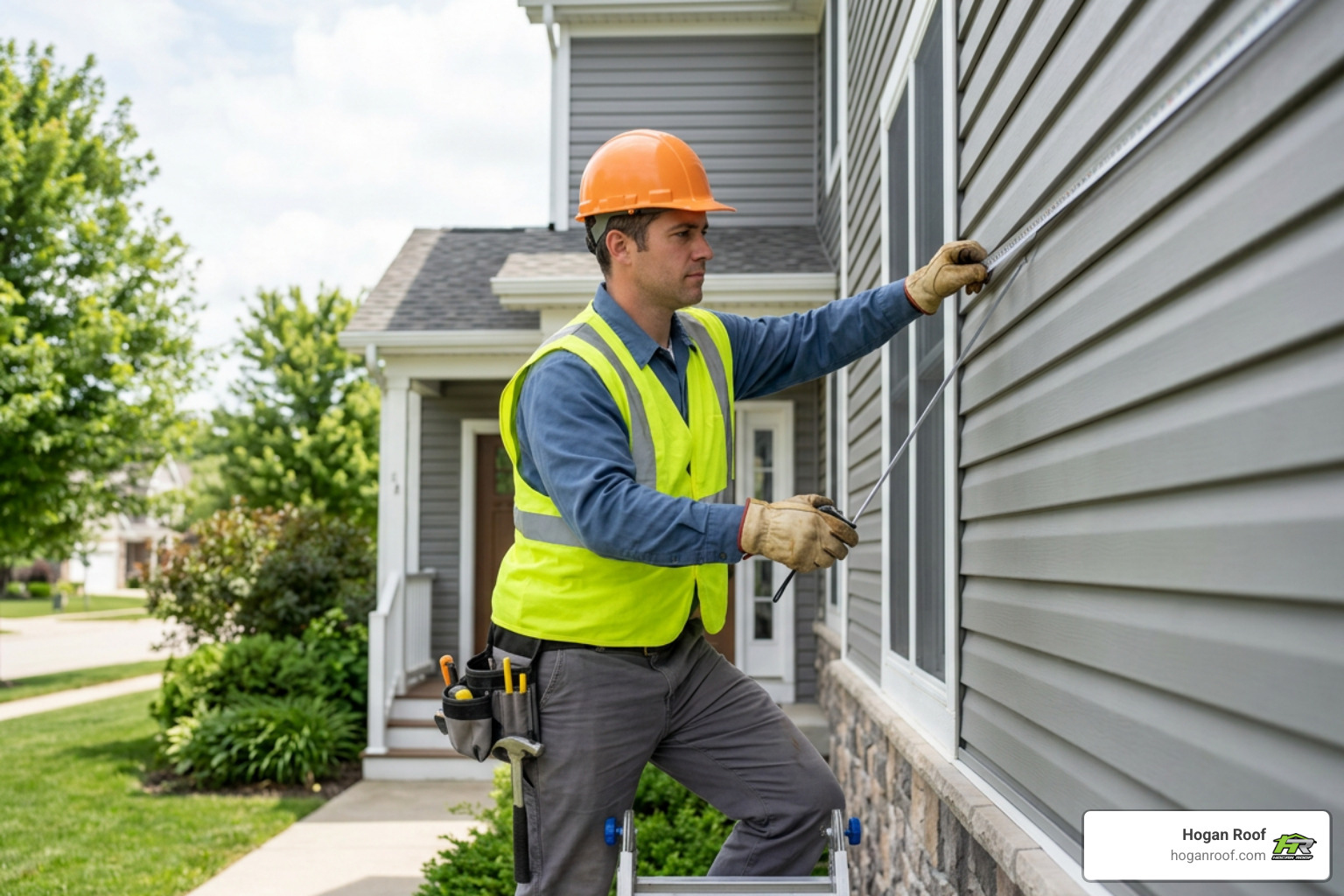
Estimating the cost of an exterior renovation starts with understanding the scale of the building. Across the country, the total price to install aluminum siding typically ranges from $8.87 to $14.78 per square foot for labor and materials combined. On average, standard per-square-foot replacement costs land between $4.50 and $9.50 per square foot , with most mid-range projects clustering comfortably between $5.50 and $7.50 per square foot.
As detailed in industry analyses like the Cost of Replacing Aluminum Siding in the United States 2026, total quotes are shaped by several line-item expenses beyond the metal itself:
- Demolition and Tear-Off: Stripping away old cladding costs between $0.50 and $2.00 per square foot ($600 to $2,000 total), depending on whether existing layers contain hidden lead paint, degraded fiberboard, or stubborn fasteners.
- Labor and Crew Rates: Regional markets create significant variance. Labor and material availability can swing overall project bids by 10% to 25% , with dense coastal metros leaning toward higher rates while rural markets trend lower.
- Contractor Overhead and Permitting: Local building permits and code compliance inspections add necessary protections, while general contractor overhead (typically 13% to 22%) covers project management, safety gear, staging, and insurance.
- Waste and Overage Allowance: Siding layouts require cutting around gables, eaves, windows, and utility penetrations. A standard 10% to 15% waste overage allowance is factored into raw materials to prevent shortages during installation.
If you are evaluating your budget, reviewing pricing parameters early helps you establish realistic expectations before work begins on your home.
Key Factors Influencing Aluminum Siding Replacement Costs
Not all metal siding is manufactured to the same standard. Material gauge (thickness) is one of the most critical drivers of both upfront cost and long-term performance:
- Standard 44-Gauge Aluminum (0.044 inches): A dependable, cost-effective choice for general residential use. It resists corrosion and provides reliable weatherproofing on a budget.
- Heavy-Duty 53-Gauge Aluminum (0.053 inches): A thicker, premium-grade profile that offers superior resistance against minor impacts, wind gusts, and accidental bumps from garden tools.
Beyond thickness, finishes make a substantial difference. Modern panels feature multi-layer, factory baked-on enamel coatings that resist UV breakdown far better than raw painted metal. Adding pre-formed, insulated foam backing raises the per-square-foot cost up to $9.50, but it increases the wall's R-value and adds rigid backing that minimizes panel denting. Multi-story homes or properties with steep grade drops require scaffolding and staging equipment, which can increase setup time and labor costs. To help manage upfront expenses without cutting corners, many homeowners take advantage of financing plans to spread project costs over manageable monthly terms.
Practical Ways to Reduce Overall Project Expenses
Lowering your exterior renovation budget does not mean sacrificing quality or skipping essential weatherproofing layers. Practical steps to manage project costs include:
- Schedule During Off-Peak Months: Exterior contractors often have more scheduling flexibility during late autumn or early spring, which can open the door to seasonal promotions.
- Stick to Standard Factory Colors: Choosing popular stock colors avoids the surcharges and longer lead times associated with custom pigment batches.
- Bundle Exterior Renovations: Staging scaffolding once for multiple tasks—such as combining siding replacement with gutter repairs or roof maintenance—reduces overall labor hours. You can quickly generate an Instant Roof Quote to see how coordinating projects might work for your home.
- Simplify Trim and J-Channel Profiles: Choosing clean, classic trim lines around windows and corners reduces the specialized hand-bending labor required for intricate custom metalwork.
- Recycle Old Aluminum Scrap: Aluminum is 100% recyclable. Scrap metal dealers pay cash by weight for discarded metal panels, turning old siding tear-offs into a small rebate on your project waste.
When to Repaint vs. When to Replace Siding Panels
Every homeowner faced with aging siding must eventually decide whether a fresh coat of paint will do the job or if a complete tear-off is necessary. As outlined in the guide Revamp Your Home: Paint Or Replace Aluminum Siding?, making the right call comes down to the structural health of the underlying panels and sheathing.
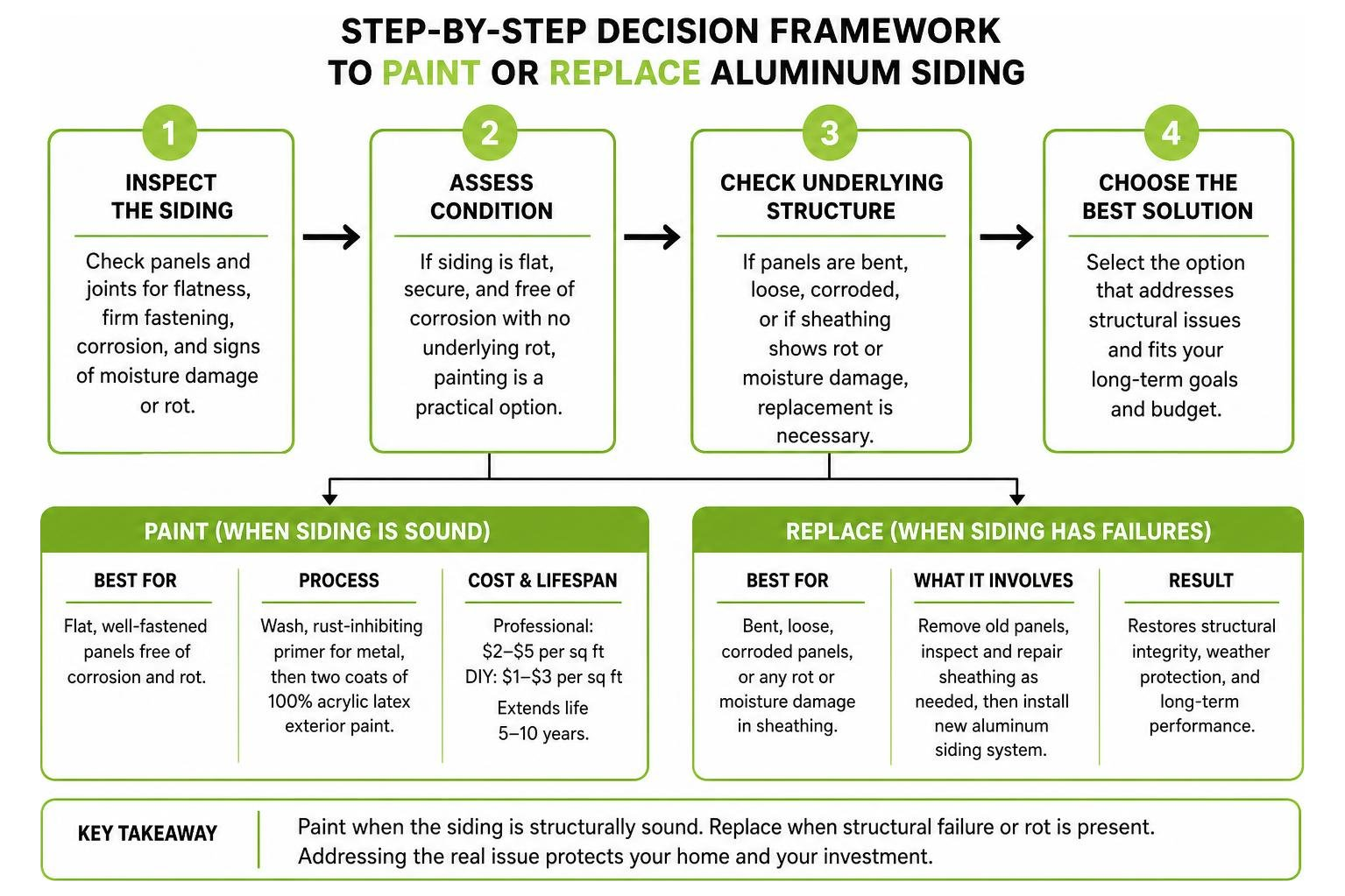
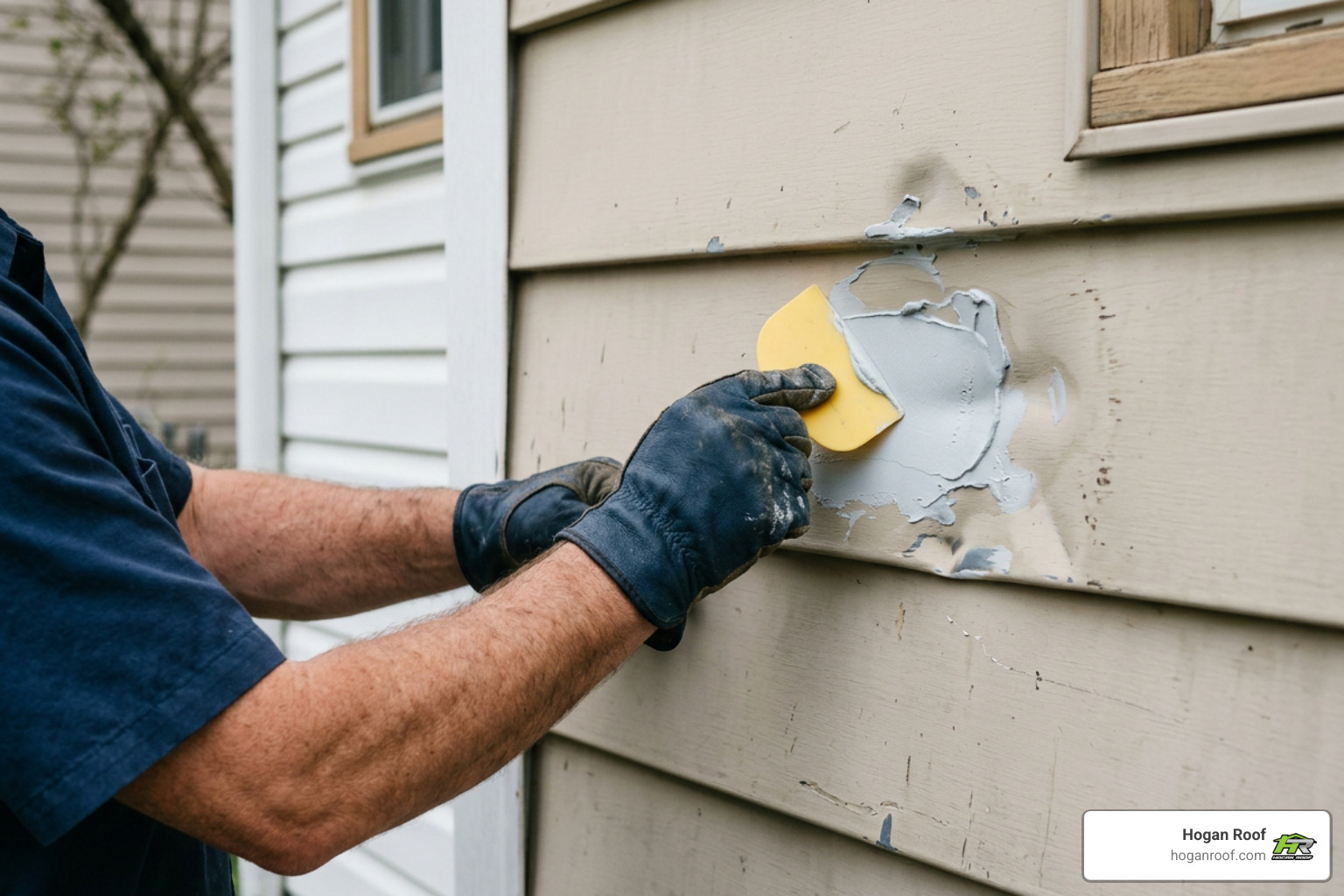
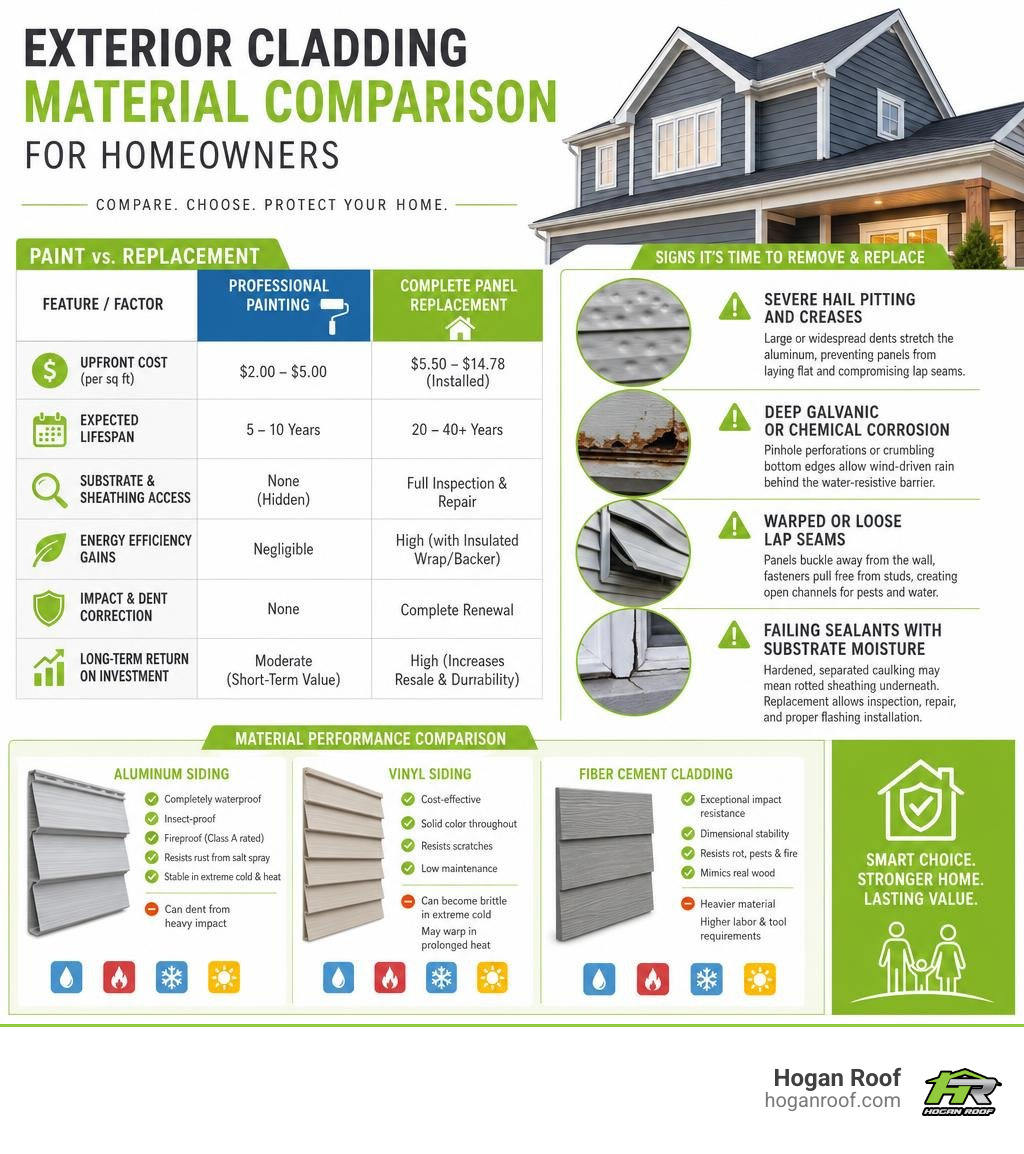
If your siding is structurally flat, firmly fastened, and free of corrosion, repainting is a practical, cost-effective refresh. Professional painting costs roughly $2 to $5 per square foot (or $1 to $3 per square foot for a DIY approach) and can extend the aesthetic life of the wall by 5 to 10 years . The process involves washing away chalking oxidation, applying a rust-inhibiting primer formulated for metal surfaces, and finishing with two coats of flexible 100% acrylic latex exterior paint that expands and contracts with shifting seasonal temperatures.
However, paint cannot fix structural failure. Applying fresh paint over bent metal, loose joints, or rotting wall sheathing is purely cosmetic and fails to stop underlying moisture damage.
| Feature / Factor | Professional Painting | Complete Panel Replacement |
|---|---|---|
| Upfront Cost (per sq ft) | $2.00 – $5.00 | $5.50 – $14.78 (Installed) |
| Expected Lifespan | 5 – 10 Years | 20 – 40+ Years |
| Substrate & Sheathing Access | None (Hidden) | Full Inspection & Repair |
| Energy Efficiency Gains | Negligible | High (with Insulated Wrap/Backer) |
| Impact & Dent Correction | None | Complete Renewal |
| Long-Term Return on Investment | Moderate (Short-Term Value) | High (Increases Resale & Durability) |
Identifying Critical Damage Requiring Panel Removal
Certain warning signs indicate that panels have reached the end of their service life and must be removed to protect the structure beneath:
- Severe Hail Pitting and Creases: Large or widespread dents stretch the aluminum, preventing panels from laying flat and compromising lap seams.
- Deep Galvanic or Chemical Corrosion: Pinhole perforations or crumbling bottom edges allow wind-driven rain behind the water-resistive barrier.
- Warped or Loose Lap Seams: When panels buckle away from the wall, fasteners pull free from studs, creating open channels for pests and water infiltration.
- Failing Sealants with Substrate Moisture: If caulking around window frames and corner posts has hardened and separated, water may have rotted the underlying plywood sheathing. Replacing the panels is the only way to inspect the framing, repair structural damage, and install fresh flashing.
Long-Term Value and Durability Analysis
While painting costs less initially, its recurring maintenance cycle can add up over time. A home repainted every 7 years will require multiple paint jobs over three decades, approaching the cost of new siding without providing the structural updates of a full replacement.
A comprehensive replacement resets your exterior envelope for 20 to 40 years . It allows you to install modern house wrap, tape flashing around rough window openings, and add rigid insulation board to eliminate thermal bridging through wall studs. These building-envelope improvements help lower heating and cooling bills while enhancing curb appeal and resale value.
Material Performance: Aluminum vs. Vinyl and Fiber Cement
Selecting the right replacement material involves comparing how different claddings perform under real-world weather conditions. As detailed in the Aluminum Siding Lap Profile and Replacement Guide, aluminum remains unique among residential cladding options for its non-combustibility and stability in fluctuating climates.
When reviewing contemporary products, evaluating how aluminum compares to other common materials helps clarify the best fit for your property:
- Aluminum Siding: Completely waterproof, insect-proof, and fireproof (Class A rated). Unlike vinyl, aluminum does not become brittle or crack in freezing sub-zero temperatures, nor will it sag or warp in intense summer heat. It is especially well-suited for coastal environments because it forms an aluminum oxide protective layer that resists rust from salt spray. Its main drawback is impact vulnerability; falling branches, heavy hail, or stray baseballs can leave permanent dents.
- Vinyl Siding: A widely used, cost-effective exterior cladding made from polyvinyl chloride (PVC). Vinyl has solid color throughout the material, meaning scratches do not expose a contrasting base color. However, extreme freeze-thaw cycles can make standard vinyl brittle, and prolonged heat can lead to warping if panels are nailed too tightly to the framing.
- Fiber Cement Cladding: A heavy, durable composite made from Portland cement, sand, and cellulose fibers. Fiber cement offers exceptional impact resistance and dimensional stability, mimicking real wood grain without the risk of rot. However, it requires a heavier structural backing, specialized cutting tools during installation, and higher labor costs due to its weight.
Comparative Strengths and Trade-offs
Choosing between modern heavy-gauge aluminum, insulated vinyl, or fiber cement comes down to your home's location, architectural design, and long-term maintenance preferences:
- Thermal Expansion and Stability: Aluminum expands and contracts minimally compared to vinyl, maintaining crisp, straight lines across long architectural wall runs.
- Insulation Performance: Hollow-back metal panels have minimal insulating value on their own. However, pairing them with contoured foam backer boards or modern exterior continuous insulation yields impressive overall thermal performance.
- Aesthetic Longevity and Paintability: Unlike vinyl, which requires specialized coatings to avoid warping from heat absorption, aluminum can be repainted in virtually any exterior color, giving you complete freedom to change your home's look down the road.
If you are considering updating multiple exterior components, our team provides services that integrate your siding, trim, gutters, and roofing into a cohesive, weather-resistant system.
Step-by-Step Siding Renovation and Best Practices
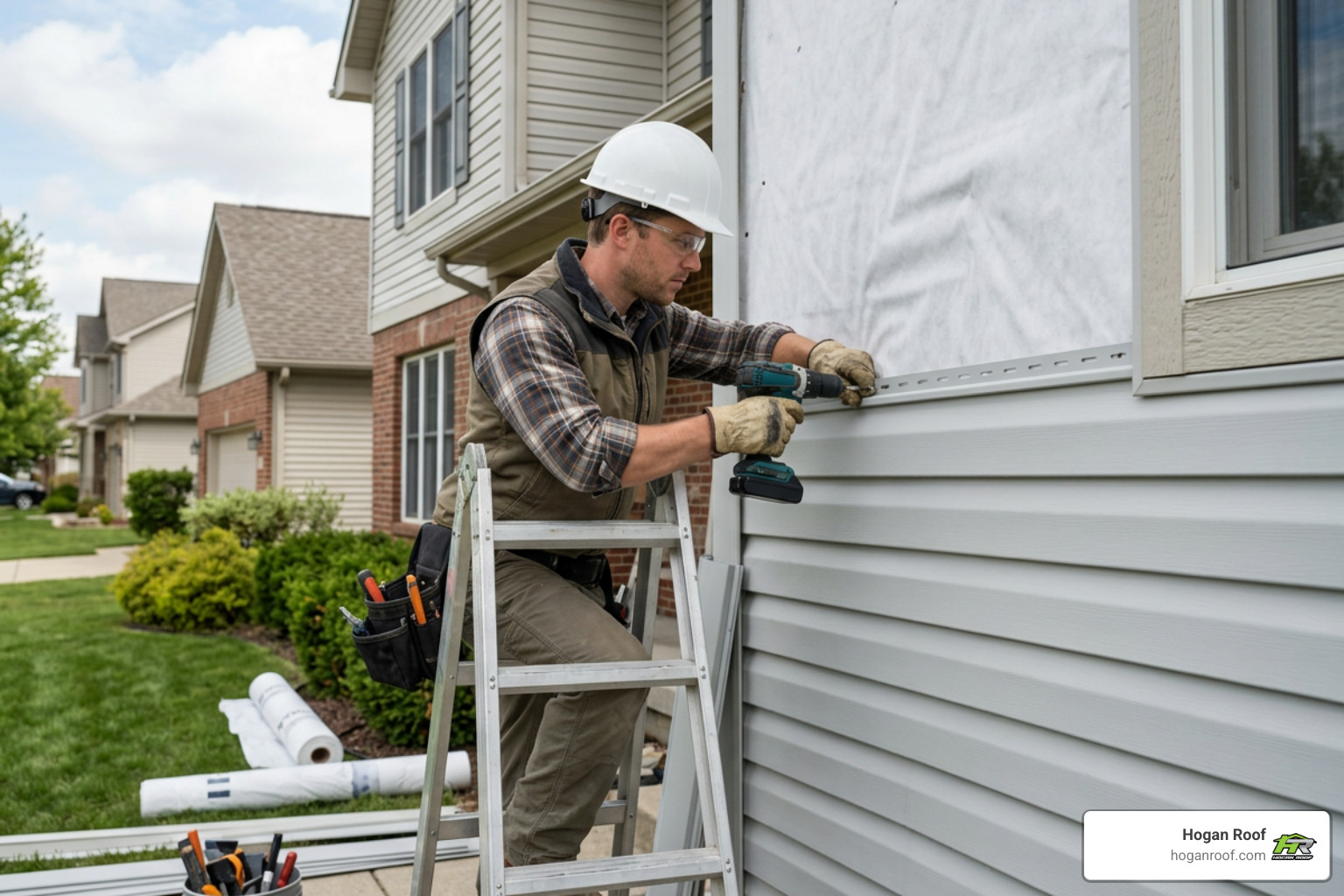
Proper installation requires careful attention to detail. Because aluminum expands and contracts with shifting outdoor temperatures, every step—from the sub-wall prep to the final J-channel finish—demands precise execution.
Executing an Aluminum Siding Replacement from Demolition to Trim
A dependable siding replacement follows a structured, step-by-step workflow:
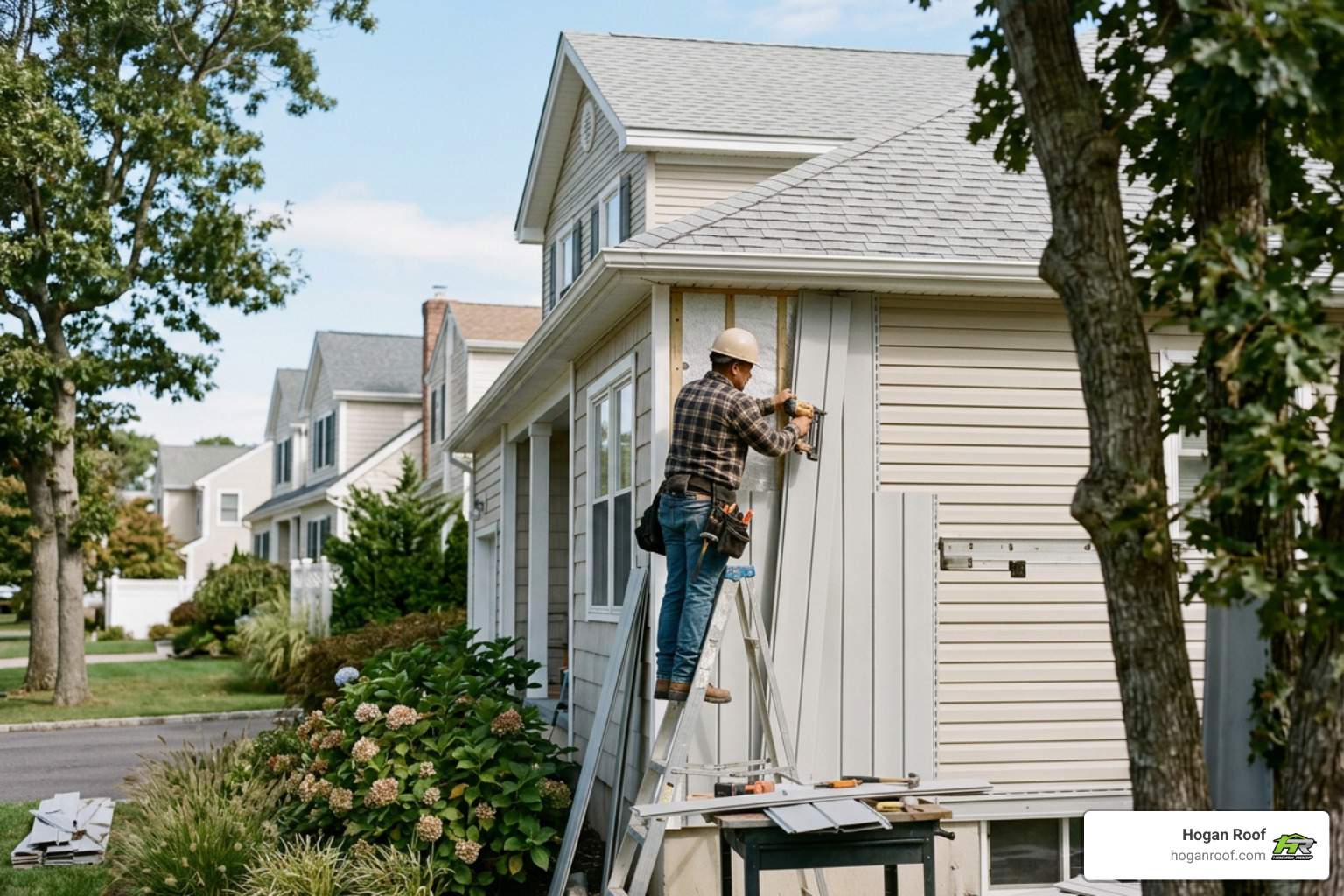
- Site Safety and Controlled Demolition: Crew members protect landscaping, set up scaffolding, and carefully remove the old siding panels, starting from the top and working down to preserve structural components.
- Substrate Inspection and Sheathing Repair: With the framing exposed, any rotted plywood, damaged sill plates, or insect-damaged wood is replaced to provide a solid nailing base.
- Weather-Resistive Barrier (WRB) and Flashing: High-performance vapor-permeable house wrap is installed over the sheathing, overlapping all horizontal and vertical seams by at least 6 inches. Self-adhering flashing tape is applied around all window corners, door perimeters, and mechanical penetrations to create a continuous water barrier.
- Snapping the Chalk Line and Starter Strip: Using a line level or laser level, installers establish a flat reference line along the home's lowest edge. The aluminum starter strip is secured along this baseline to lock the bottom course into place.
- Panel Interlocking and Fastener Placement: Each subsequent panel is hooked firmly into the bottom lock of the course below it. Installers drive corrosion-resistant aluminum or hot-dipped galvanized roofing nails directly into the center of the pre-punched mounting slots.
Pro-Tip: Never nail aluminum siding tight against the wall. Leave an exact 1/8-inch clearance gap between the nail head and the siding hem. This allows the metal to expand and contract smoothly through seasonal temperature shifts without buckling.
- Corner Posts, J-Channels, and Trim Integration: Pre-formed inside and outside corner posts, window trim caps, and J-channels are integrated along all edges to shed water away from panel ends.
- Quality Inspection and Water Testing: Once the soffits, fascia covers, and accessory trims are in place, a thorough inspection and light water spray test verify that all overlaps direct water away from the wall cavity.
While replacing a single loose panel on a low, single-story wall is manageable for an experienced DIYer with basic hand tools, full-house installations require specialized field tools, scaffolding, and trade experience to ensure proper moisture management and code compliance.
Frequently Asked Questions About Siding Upgrades
How long does aluminum siding typically last on a home?
High-quality, properly installed aluminum siding lasts between 20 and 40 years , and heavy-gauge (53-gauge) panels can last 35 years or more. Because aluminum does not rot, absorb water, or support mold growth, its service life is largely determined by maintaining the surface finish and ensuring edge caulking remains in good condition around openings.
Can a homeowner replace damaged aluminum siding panels on their own?
A skilled homeowner can replace individual, easily accessible panels using a standard zip-tool to unlock the interlocking seams and pop out the old fasteners. However, full-house siding projects involve structural moisture barriers, window and door head flashings, corner alignment, and working safely on ladders or scaffolding—work best handled by a licensed exterior contractor.
Does new aluminum siding help improve home energy efficiency?
Yes. While bare metal panels are heat conductors on their own, a modern siding replacement includes new weather-resistive house wrap, taped seams to prevent drafty air infiltration, and optional contoured rigid foam insulation boards. These upgrades eliminate thermal bridging through wall studs and can noticeably lower heating and cooling costs.
Conclusion and Selecting the Right Siding Professional
Your home's exterior cladding is its first line of defense against wind, rain, winter freezes, and summer heat. Investing in a properly planned renovation protects your framing from hidden moisture rot, boosts energy efficiency, and refreshes your curb appeal for decades to come.
When choosing a contractor, verify their credentials, look for active licensing and comprehensive liability insurance, and confirm they provide strong workmanship warranties alongside manufacturer material guarantees. For more practical renovation tips and exterior maintenance insights, explore our blog or read our client reviews to see how we approach quality craftsmanship across the tri-state area.