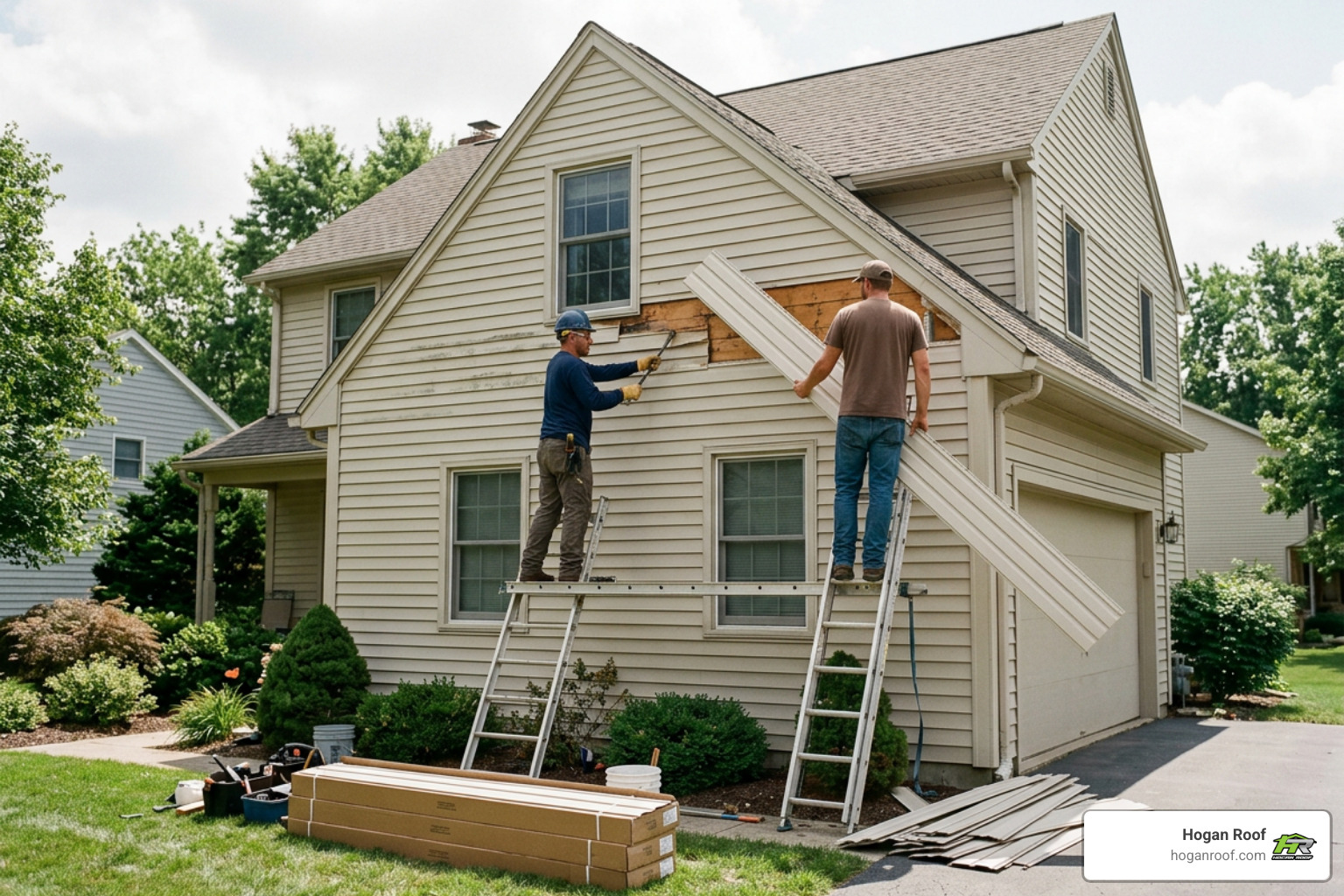
Brighten Your Home with Trending Long Island Vinyl Siding Colors
Choosing Long Island Vinyl Siding Colors That Fit Your Home
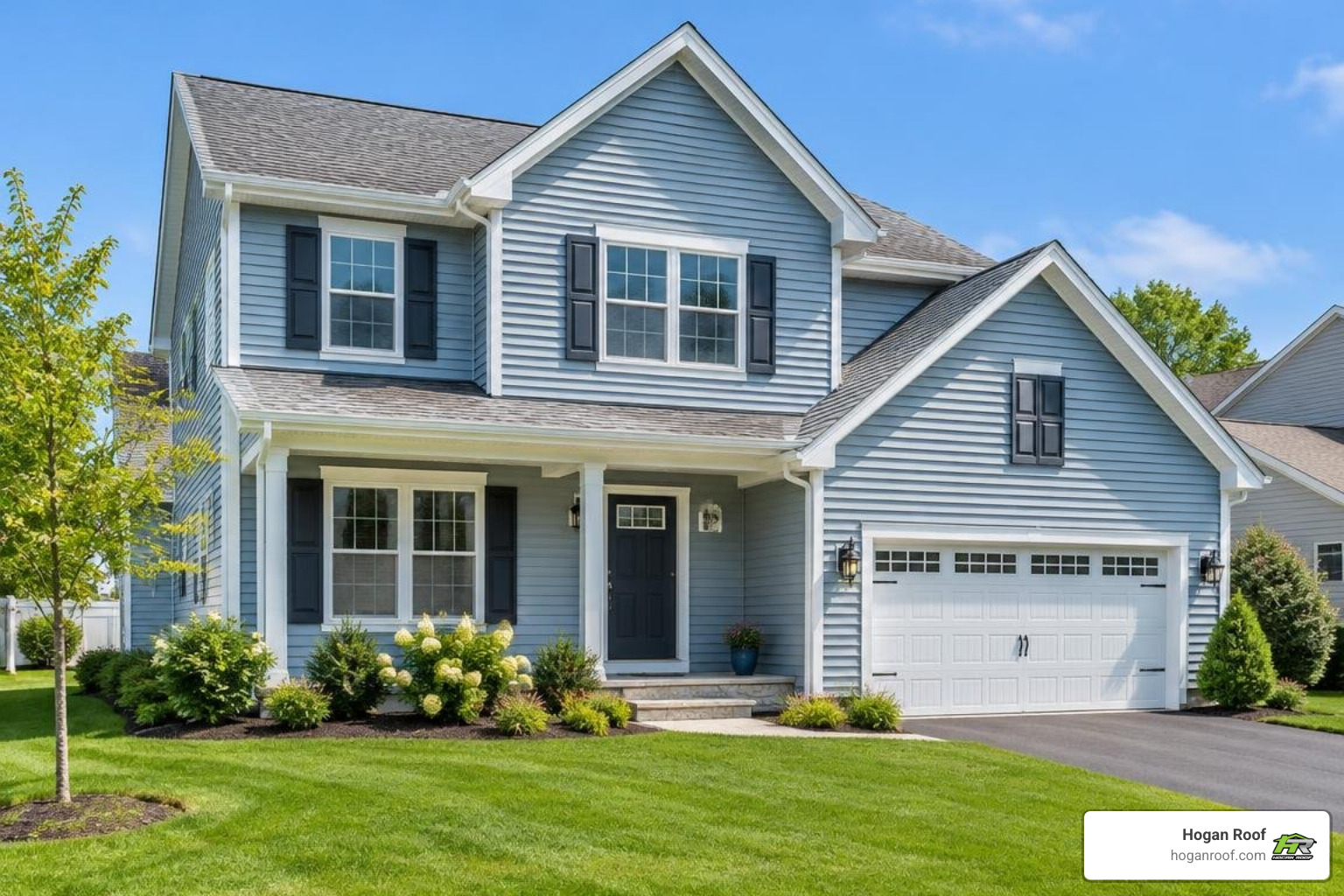
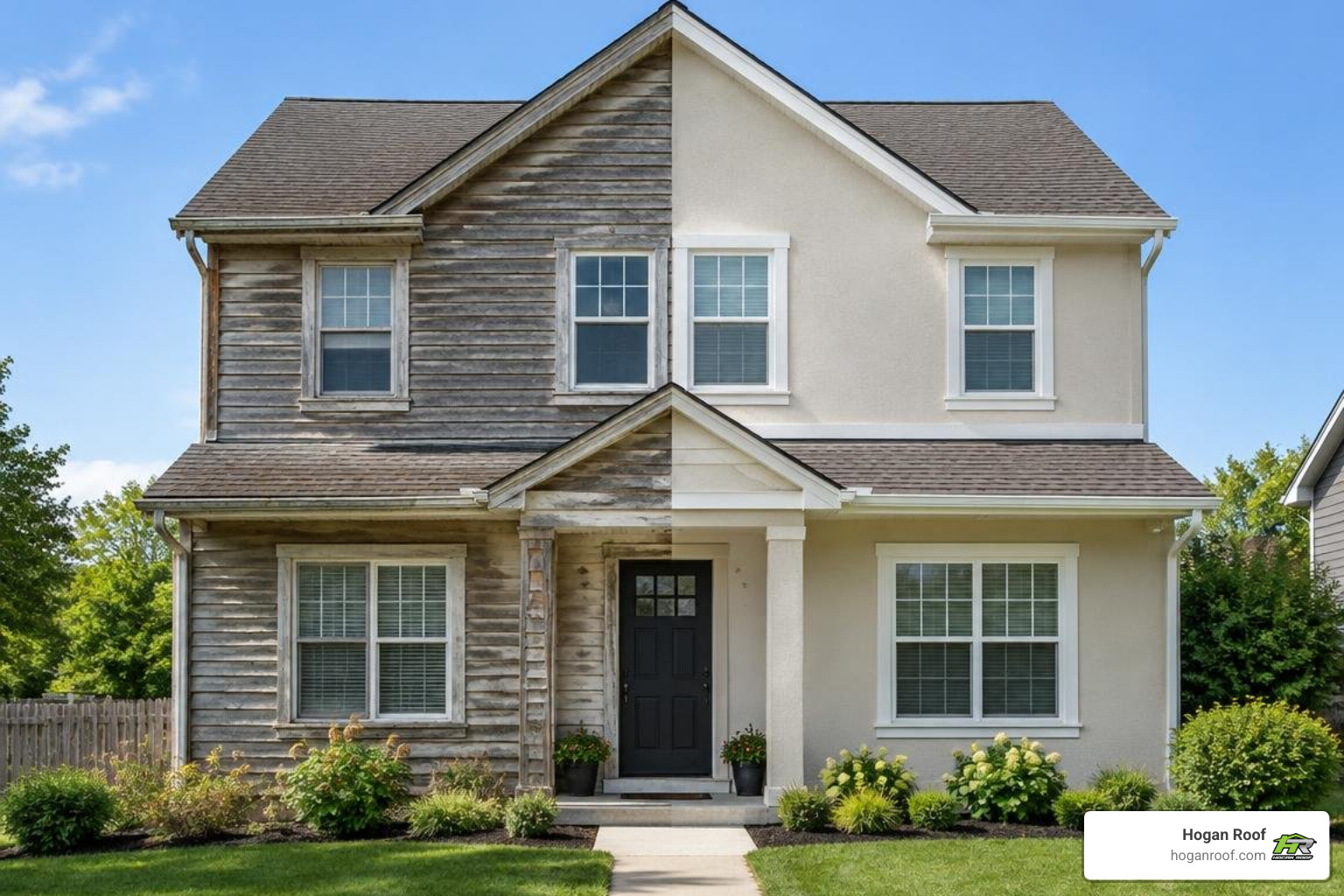
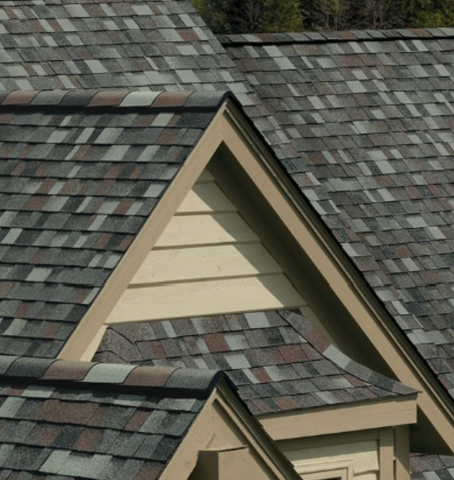
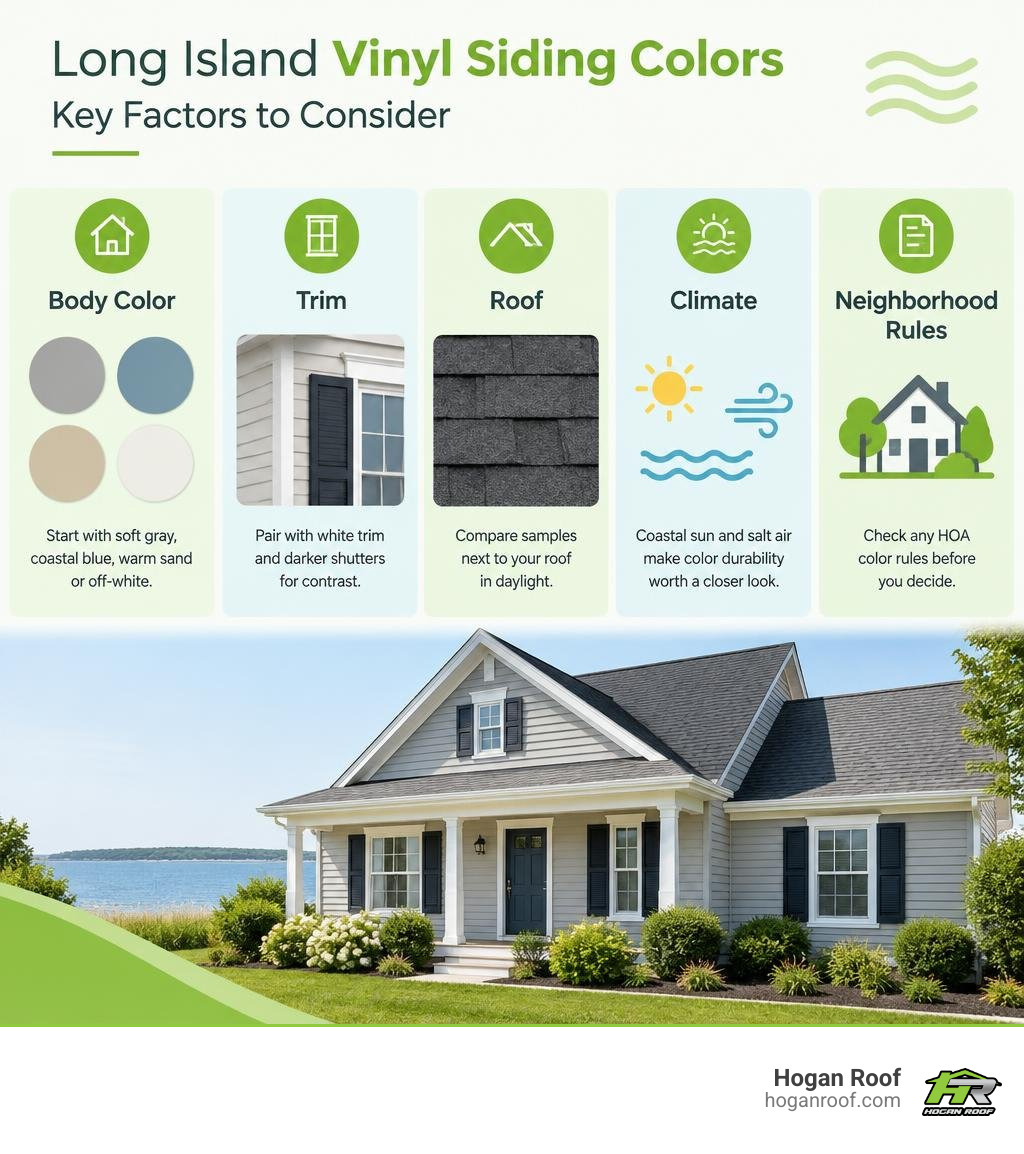
Start with soft gray, coastal blue, warm sand, or off-white for a look that suits many Long Island homes. Pair the siding with white trim and darker shutters for contrast. If you prefer a bolder exterior, consider charcoal or deep green with light trim. Before you decide, compare samples next to your roof in daylight and check any HOA color rules.
Coastal sun and salt air make color durability worth a closer look, especially with darker shades. Ask about fade protection and the siding's warranty before choosing a finish. According to the Vinyl Siding Institute, modern vinyl siding is engineered with UV-resistant compounds and color-lock technology that help it withstand prolonged sun exposure and coastal conditions, making it a practical choice for Long Island's climate.
I'm Bill Hogan, owner of Hogan Roof, with over 20 years of roofing and siding experience across the NY/NJ/CT area. I'll use that experience to help you weigh long island vinyl siding colors for style, upkeep, and weather exposure.
Long island vinyl siding colors word roundup:
Top Trending Long Island Vinyl Siding Colors for Local Homes
Choosing the perfect exterior shade can completely reinvent your property's curb appeal. Long Island spans diverse architectural landscapes, from historic North Shore estates to breezy South Shore beach cottages. As we head into 2026, homeowners across Nassau and Suffolk counties are moving away from flat, lifeless tones in favor of rich, multi-dimensional palettes. You can learn more about full exterior renovations in our complete guide to upgrading your Long Island siding.
Coastal Blues and Maritime Grays
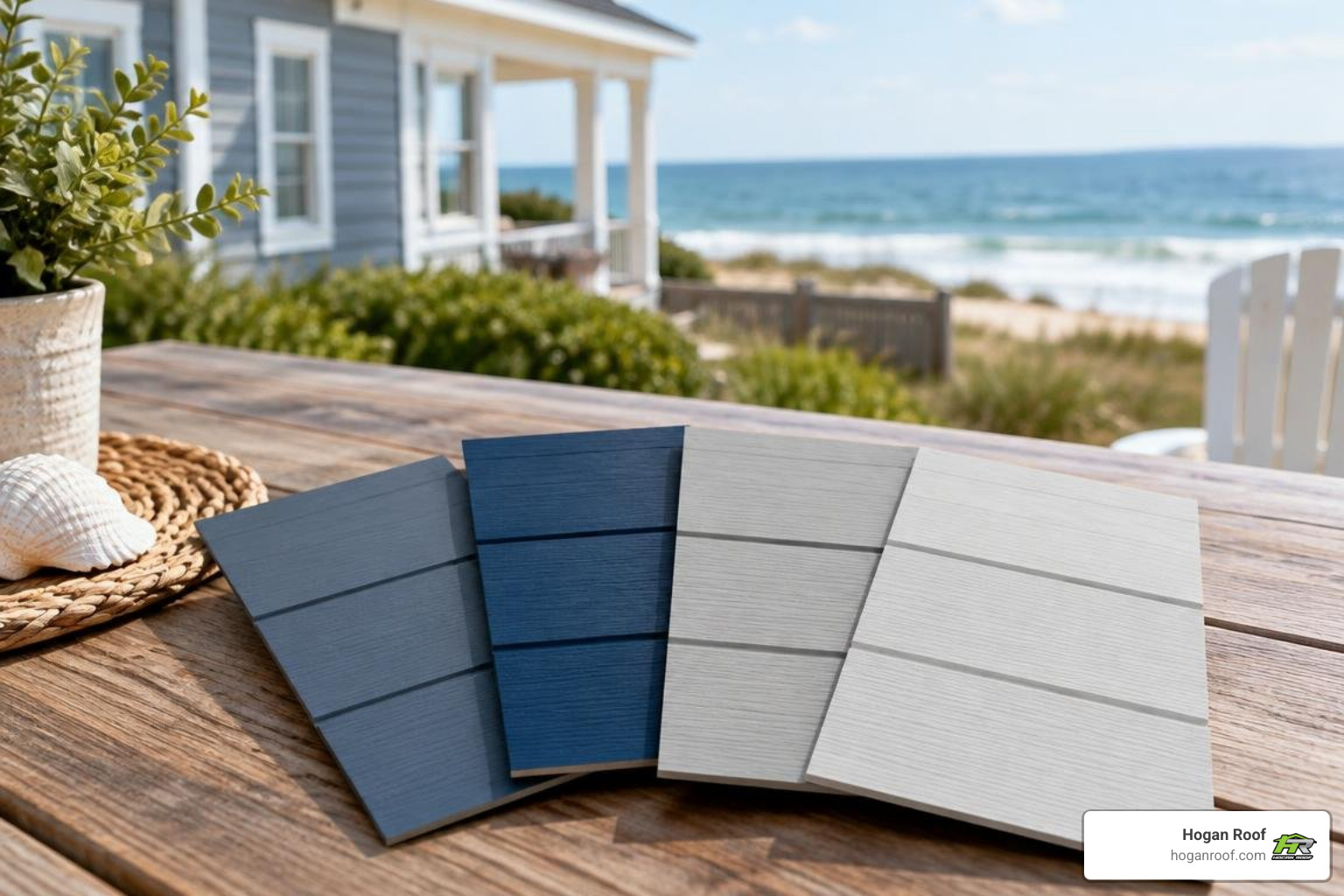
Maritime-inspired tones continue to dominate our coastal communities. Shades such as slate blue, deep pacific blue, weathered coastal gray, and soft pearl gray bring out the natural beauty of seaside neighborhoods. These colors mimic the ocean, sky, and weathered driftwood, fitting naturally into towns like Montauk, Port Jefferson, and Long Beach.
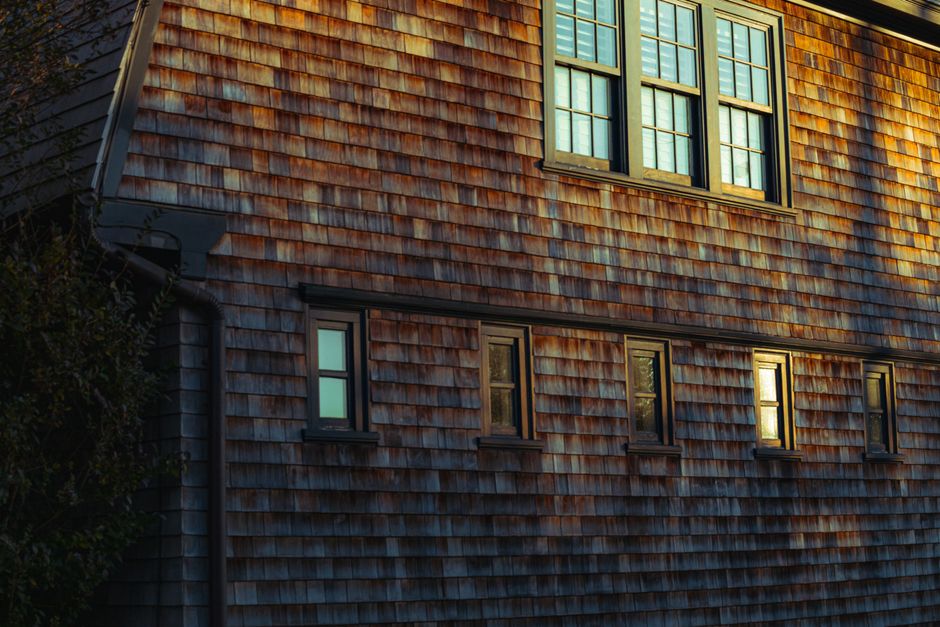
When homeowners ask us how to choose the right vinyl siding in Suffolk County, we frequently point them toward mid-tone maritime grays. They capture the breezy elegance of authentic cedar shake without the heavy maintenance of natural wood. A slate blue or coastal gray exterior also pairs beautifully with white trim and natural stone accents, creating a polished look that feels both relaxed and refined.
Warm Earthy Neutrals and Modern Off-Whites
If you love timeless appeal, warm earthy neutrals have seen a massive resurgence. Rather than sterile, stark whites, homeowners are opting for linen, warm sand, natural clay, and modern beige. These hues give your home a bright, welcoming presence without being blinding in the midday sun.
Modern off-whites create a clean backdrop that makes architectural accents like porticos and stone foundations pop. For property owners interested in upgrading your exterior with the best vinyl siding in Nassau County, warm neutrals offer a sophisticated look that seamlessly fits classic suburban streetscapes. Linen and warm sand tones are especially popular for Colonials and Capes, where they provide a soft, inviting contrast against dark shutters and natural wood doors.
Dramatic Charcoals and Deep Saturated Tones
For a bold, modern statement, dark and saturated profiles have taken center stage. Tones such as ironstone, deep charcoal, forest green, and espresso brown give traditional homes an updated, designer aesthetic.
When paired with bright white or crisp cream trim, dark siding creates a dramatic contrast that highlights rooflines and gables. These saturated shades add visual weight and contemporary charm to mid-century ranches and modern split-levels. Homeowners who choose deep charcoal or forest green often add shake-style accents in the gables or entryway to introduce texture and break up large wall surfaces.
Architecture, Climate, and Exterior Color Coordination
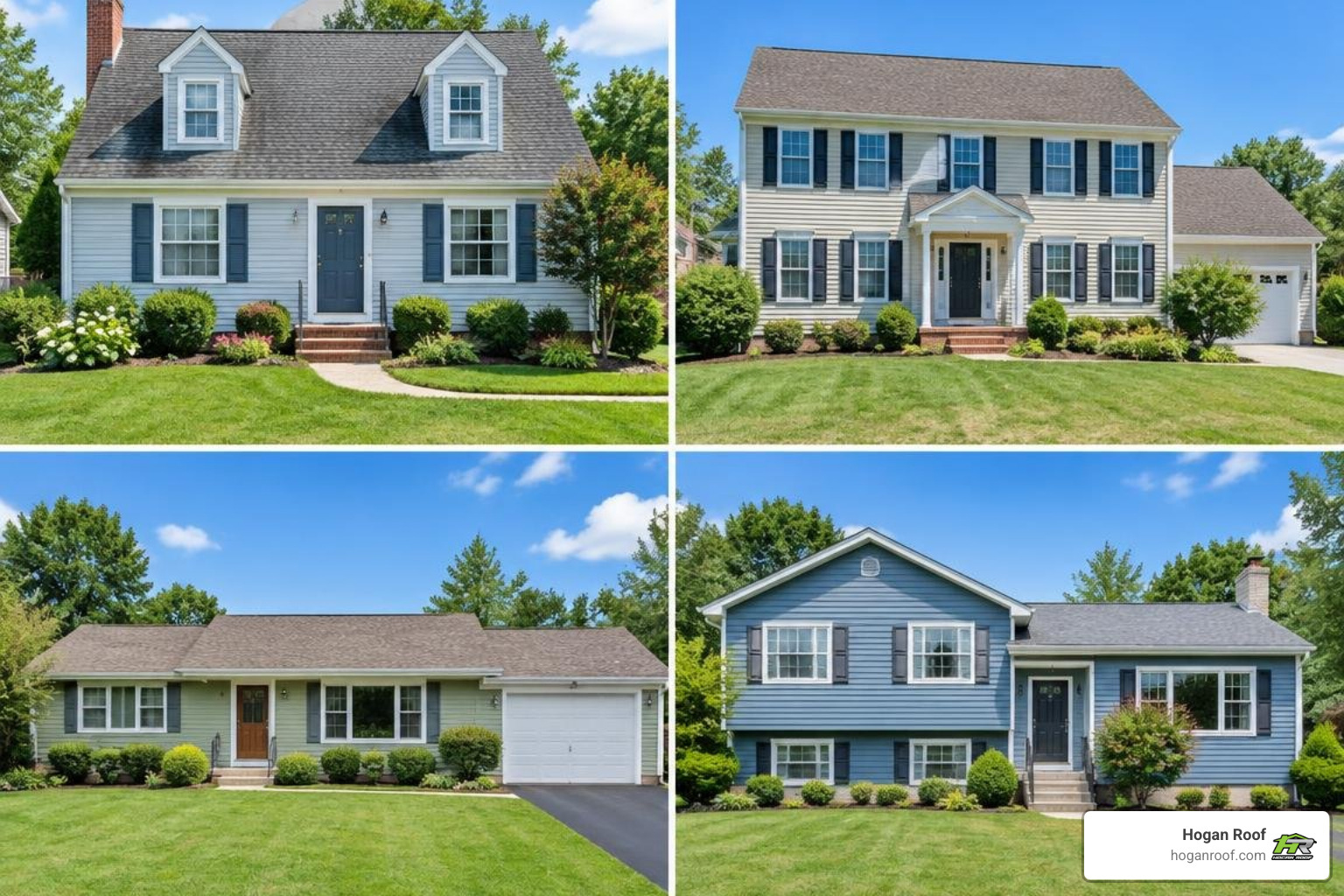
A color that looks stunning on a coastal bungalow might look entirely out of place on a center-hall Colonial. To get the best results, you must balance your home's architectural lines, existing roofing shingles, and the natural light of your lot.
| Architectural Style | Recommended Siding Shades | Complementary Trim & Accent Colors |
|---|---|---|
| Cape Cod | Slate Blue, Coastal Gray, Light Sand | Crisp White Trim, Navy or Black Shutters |
| Center-Hall Colonial | Off-White, Warm Beige, Charcoal | Linen Trim, Forest Green or Deep Red Accents |
| Suburban Ranch | Modern Taupe, Pearl Gray, Forest Green | Cream Trim, Natural Woodgrain Front Door |
| Split-Level / Hi-Ranch | Ironstone, Pacific Blue, Clay | Pure White Fascia, Slate Gray Accents |
Matching Long Island Vinyl Siding Colors to Cape Cod, Ranch, and Colonial Styles
- Cape Cod Homes: These classic coastal houses look best with authentic maritime colors. Soft grays, weathered blues, and sandy beiges paired with bright white trim and dark louvered shutters create that quintessential Hamptons aesthetic. A slate blue body with crisp white trim and a natural wood door is a timeless combination that works well in both beachfront and inland settings.
- Colonial Styles: Colonials carry a formal, symmetrical footprint that thrives on classic contrasts. Crisp off-white siding with black shutters offers unmatched elegance, while deep navy or charcoal siding with thick, clean white trim delivers a striking, modern look. For a more traditional feel, warm beige siding with forest green shutters and a deep red front door adds understated curb appeal.
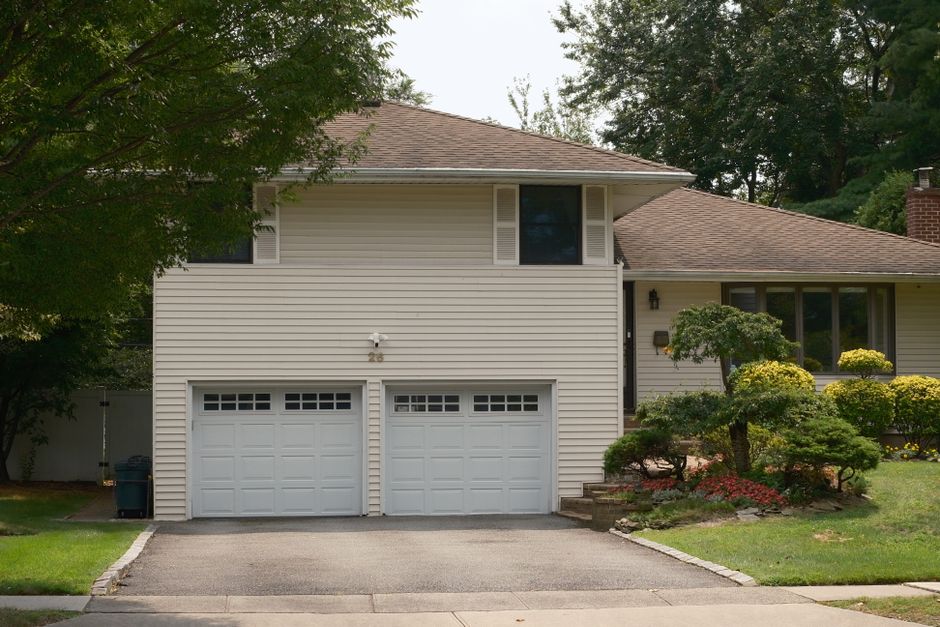
- Ranch and Split-Level Properties: Horizontal sightlines on ranches benefit from grounding earth tones like sage green, taupe, or ironstone. Adding a contrasting shake accent in the gables breaks up long wall spans and elevates exterior texture. Split-levels often look best with a two-tone approach, such as a darker lower level and a lighter upper section, to visually balance the home's staggered profile.
Protecting Long Island Vinyl Siding Colors from UV Fading and Coastal Salt Air
Our local environment can be tough on home exteriors. Between high summer humidity, intense UV radiation bouncing off the water, and corrosive salt air along the coast, exterior materials face continuous exposure. Choosing high-performance panels is a key factor when protecting your home with quality vinyl siding in Nassau County NY.
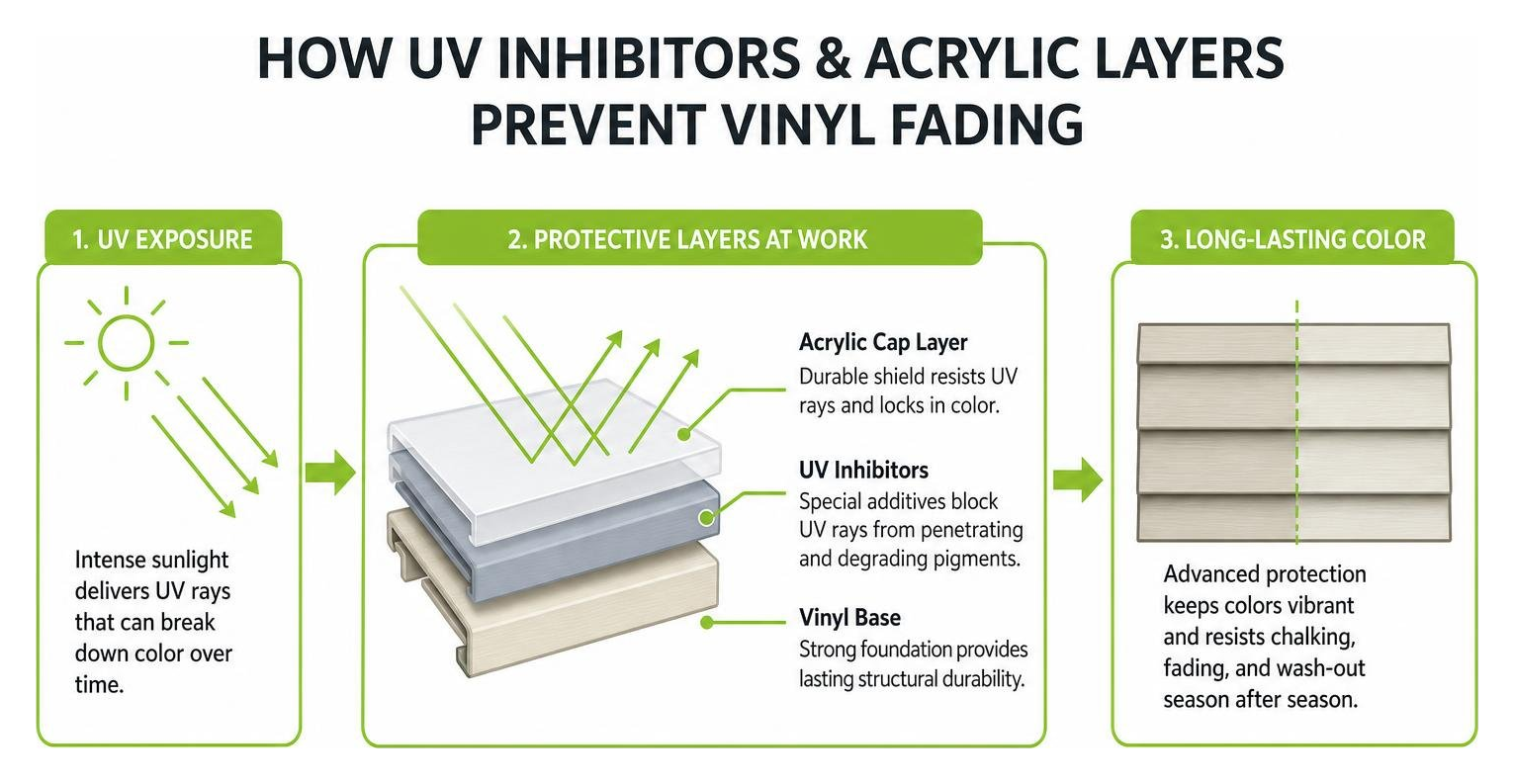
Modern manufacturing utilizes advanced acrylic capping and solar-reflective pigments that reflect infrared heat and block damaging UV rays. This colorfast technology ensures that even dark blues and rich charcoals retain their depth without turning chalky or washing out after a few seasons. For homes within a mile of the shoreline, we often recommend panels with enhanced acrylic capping and a non-prorated fade warranty, since salt spray can accelerate surface wear on lower-quality products.
Performance, Costs, and Neighborhood Guidelines
Color selection influences more than just curb appeal; it also plays a role in your home's energy efficiency and overall project budget.
Energy Efficiency and Maintenance: Light vs. Dark Tones
- Light Colors: Lighter shades naturally reflect solar radiation, keeping exterior wall cavities cooler during humid July and August heatwaves. They also do a fantastic job of masking light dust, pollen, and minor sea salt accumulation. Homeowners with light siding typically find that an annual rinse with a garden hose is enough to keep the exterior looking fresh.
- Dark Colors: Deep tones absorb more thermal energy. To prevent unwanted heat transfer and excessive expansion, dark vinyl requires heavy-gauge manufacturing and, ideally, insulated foam backing. While dark panels hide road dirt well, they may highlight light mineral deposits from lawn sprinklers, making an occasional rinse with a garden hose necessary. High-quality dark panels are engineered with heat-reflective pigments that reduce solar heat gain, but they still benefit from proper installation with adequate room for thermal movement.
Budget Factors and HOA Regulations
Deep, saturated colors require specialized pigment technology and impact-resistant formulations, which typically make them slightly more expensive per square foot than standard pastel or neutral shades. The price difference usually falls between 10% and 25%, depending on the manufacturer and profile style. Insulated foam backing, which is often recommended for dark colors, adds another layer of cost but improves energy performance and impact resistance.
Before finalizing your choice, always consult your Homeowners Association (HOA) bylaws or local architectural review boards. Some planned communities in Nassau and Suffolk maintain strict palettes to preserve uniform neighborhood aesthetics. If you are planning an upgrade, reviewing the ultimate guide to Long Island siding company services can help you navigate local permits, material sourcing, and proper installation requirements.
Frequently Asked Questions About Long Island Exterior Colors
How do salt air and direct sunlight affect darker vinyl siding shades over time?
Without proper manufacturing, intense coastal UV rays and salt air can cause unprotected pigments to oxidize and look chalky. However, modern high-grade vinyl panels feature acrylic capping layers and UV-resistant compounds that lock in rich color. Choosing panels backed by non-prorated color fade warranties ensures your exterior stays vibrant for decades. For homes directly exposed to salt spray, an occasional rinse with fresh water helps remove salt residue and extends the life of the finish.
Which vinyl siding color combinations provide the highest return on investment?
Neutral palettes—such as off-white, light gray, and warm beige paired with crisp white trim and dark charcoal or black shutters—consistently deliver the highest resale return. These versatile combinations appeal to the broadest pool of potential home buyers while offering timeless curb appeal that never goes out of style. A soft gray body with white trim and black shutters is one of the most requested combinations among Long Island buyers, according to local real estate feedback we hear from homeowners preparing to sell.
Are there price differences between standard neutrals and deep designer siding colors?
Yes. Deep designer tones (like midnight blue, charcoal, and dark espresso) often cost between 10% and 25% more in raw material costs than standard neutrals. This price difference stems from the specialized color-stabilizing chemistry and thicker panel profiles required to resist thermal expansion and color fading under direct sunlight. If you are budgeting for a full exterior renovation, factor in the potential need for insulated backing and upgraded trim accessories when selecting a dark palette.
Conclusion
Choosing the right exterior palette is one of the most exciting upgrades you can make for your home. By balancing your property's architectural style with high-performance, weather-resistant materials, you can create a stunning transformation that stands strong against coastal winters and summer sun.
At Hogan Roof, our team brings more than two decades of dedicated local experience as an Owens Corning Platinum Preferred Contractor across the tri-state area. We provide expert advice, free inspections, and flexible financing to bring your vision to life. Ready to upgrade your exterior? Explore premium siding options with our specialists today.