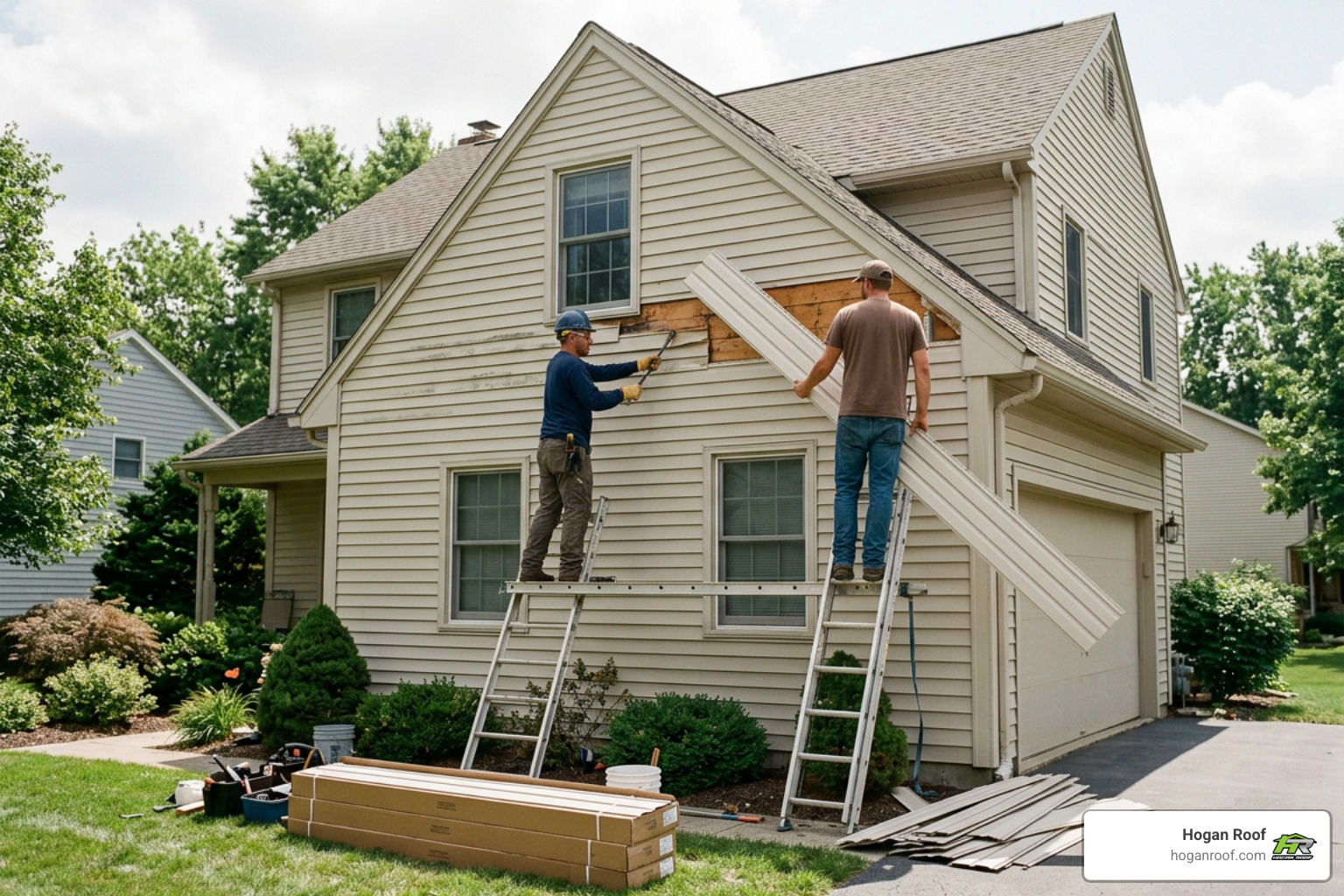
New Roof Replacement Cost Breakdown by Location and Material
What Does a New Roof Cost in 2026?
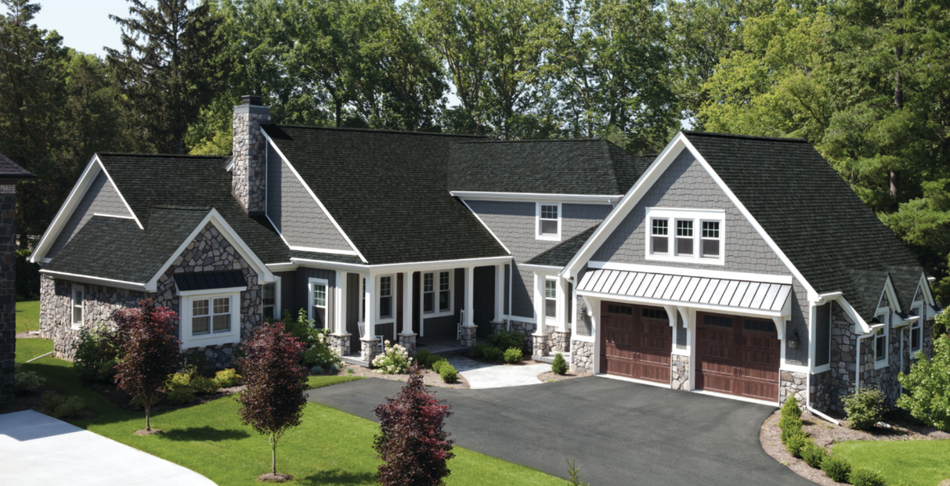
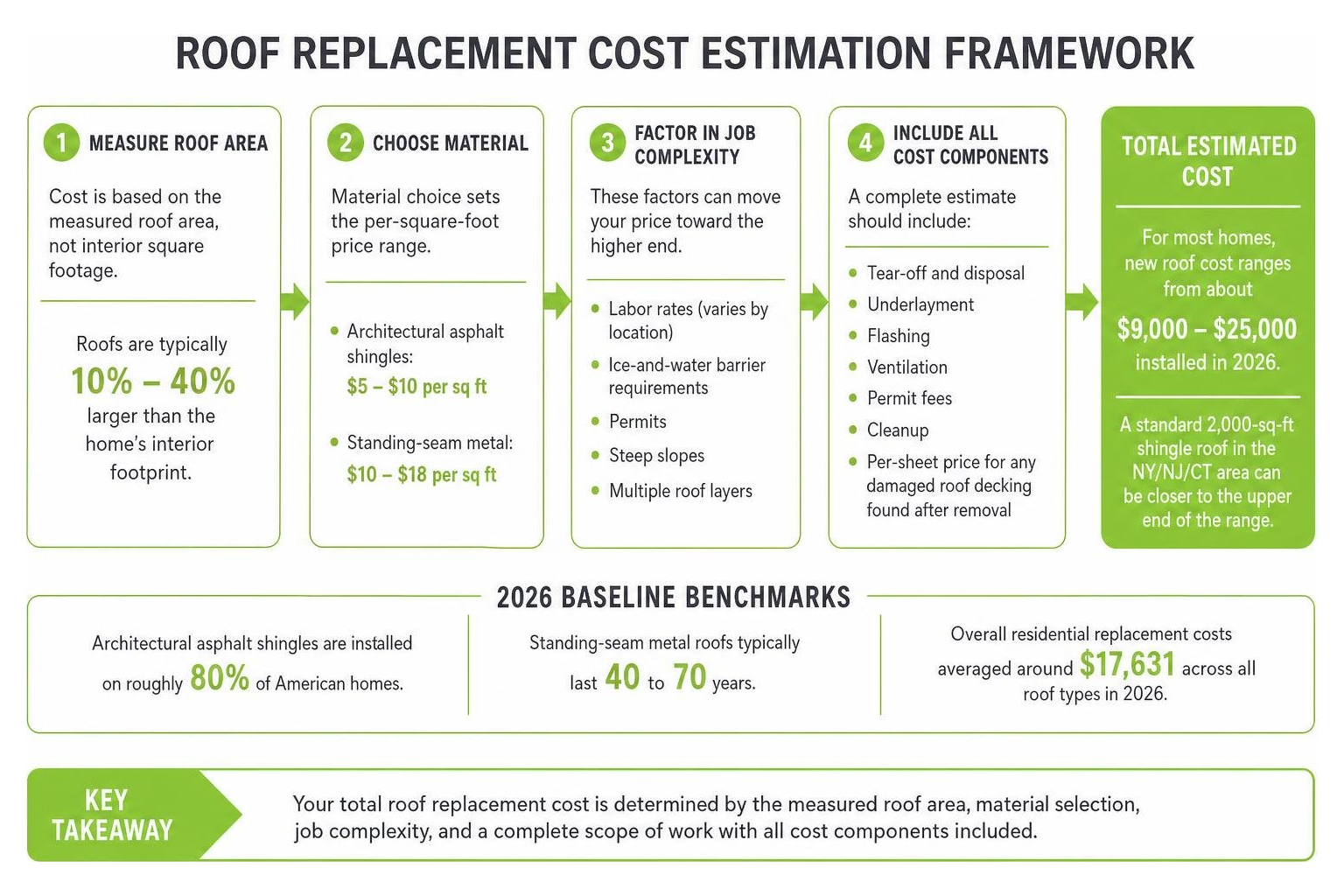
For most homes, new roof cost ranges from about $9,000 to $25,000 installed in 2026. A standard architectural asphalt shingle roof usually costs $5 to $10 per square foot , while standing-seam metal commonly costs $10 to $18 per square foot .
Your real price depends on the measured roof area , not just your home's interior square footage. In the NY/NJ/CT area, higher labor rates, ice-and-water barrier requirements, permits, steep slopes, and older roof layers can put a typical 2,000-square-foot shingle roof closer to the upper end of the national range.
A reliable estimate should clearly include tear-off and disposal, underlayment, flashing, ventilation, permit fees, cleanup, and a stated per-sheet price for any damaged roof decking found after removal.
I am Bill Hogan, owner of Hogan Roof, with more than 20 years of experience helping tri-state homeowners understand new roof cost, compare materials, and plan complete roofing projects. The sections below break down the numbers by location, roof size, material, and job complexity.

Understanding New Roof Cost: 2026 Baseline Benchmarks
Roofing professionals measure roof surface area in "squares," where one square equals 100 square feet of actual roofing surface. Because roofs have pitch, overhangs, eaves, and dormers, your home's roof surface is typically 10% to 40% larger than its interior footprint. For example, a single-story ranch with 2,000 square feet of living space often requires 22 to 25 squares (2,200 to 2,500 square feet) of roofing materials.
According to data compiled in the 2026 Roofing Cost Report: National + Regional Data | TRB, overall residential replacement costs averaged around $17,631 across all roof types. This shift reflects cumulative material increases, trade wage growth, and higher regional code standards.
To build a realistic budget, you must examine how material options, physical roof dimensions, and the labor-to-material split shape final project costs.
Estimating New Roof Cost by Material and Square Footage
Material selection dictates both your upfront investment and long-term durability. Architectural laminate asphalt shingles remain installed on roughly 80% of American homes due to their balance of cost, aesthetic appeal, and weather performance. Meanwhile, standing-seam metal roofing continues to grow in popularity for homeowners seeking a 40-to-70-year lifespan.
| Roofing Material | Cost per Square Foot (Installed) | Cost per Square (100 sq ft) | Average Lifespan | Typical Cost Range (2,000 sq ft Home / ~24 Squares) |
|---|---|---|---|---|
| 3-Tab Asphalt Shingles | $3.50 – $7.00 | $350 – $700 | 15 – 20 Years | $8,400 – $16,800 |
| Architectural Shingles | $5.00 – $9.50 | $500 – $950 | 25 – 30 Years | $12,000 – $22,800 |
| Class 4 Impact Shingles | $6.00 – $11.50 | $600 – $1,150 | 30 – 50 Years | $14,400 – $27,600 |
| Exposed-Fastener Metal | $8.00 – $12.00 | $800 – $1,200 | 30 – 45 Years | $19,200 – $28,800 |
| Standing-Seam Metal | $10.00 – $18.00 | $1,000 – $1,800 | 40 – 70 Years | $24,000 – $43,200 |
| Concrete Tile | $9.00 – $16.00 | $900 – $1,600 | 30 – 50 Years | $21,600 – $38,400 |
| Clay Tile | $12.00 – $25.00 | $1,200 – $2,500 | 50 – 100 Years | $28,800 – $60,000 |
| Natural Slate | $18.00 – $40.00+ | $1,800 – $4,000+ | 75 – 150+ Years | $43,200 – $96,000+ |
| TPO / EPDM Flat Membrane | $5.50 – $9.50 | $550 – $950 | 20 – 30 Years | $13,200 – $22,800 |
Detailed breakdowns on these figures can also be explored using the Roof Replacement Cost Calculator 2026 — By Size & Material | CostPrism or Roof Replacement Cost 2026: $5.50-$9.00 Per Square Foot Installed | Buildermuse.
Labor vs. Material Cost Breakdown
For standard asphalt shingle installations, labor generally represents 55% to 60% of your total proposal, while raw materials, components, and staging account for 40% to 45%.
Labor rates vary heavily by market. Experienced roofing installers average around $35 to $60 per hour in standard markets, with fully burdened contractor labor exceeding $90 per hour in high-cost metro corridors. Specialized trades like standing-seam sheet metal fabrication or heavy tile mechanics require higher technical skills and safety setups, shifting labor allocations accordingly.
Regional Pricing Breakdown: From the Northeast to the Sun Belt
Where you live dictates everything from crew labor rates to local building code enforcement and climate-hardening measures. If you are researching residential roofing options, understanding geographic variables helps prevent sticker shock when evaluating proposals.
Regional Factors Impacting New Roof Cost Across the US
- Northeast (NY, NJ, CT, MA): In Massachusetts, New York, and Connecticut, asphalt shingle installations commonly range from $6.00 to $10.00+ per square foot ($15,000 to $22,000+ for a typical 2,000 sq ft home). Cold winters, freeze-thaw cycles, high local taxes, and mandatory multi-layer ice dam protection contribute to these regional baselines.
- Texas (Austin / Dallas / Houston): For single-family homes in central Texas, architectural shingle replacements typically cost between $8,000 and $18,000 ($5.00 to $9.50 per square foot), averaging $12,000 to $15,000 for standard 2,000–2,500 square-foot roof planes.
- Florida: With relentless UV degradation and tropical storms, central and coastal Florida replacements frequently average around $25,000 across varied systems. Shingles range from $4.50 to $7.50 per square foot, while standing seam metal ranges from $10.00 to $20.00 per square foot.
- Louisiana & Gulf Coast: Architectural shingle scopes generally span $6,500 to $19,500 ($4.75 to $9.50 per square foot), with metal roofs running $10.50 to $17.00 per square foot. Dense historic areas like urban New Orleans often see higher labor overhead due to tight lot access, high parapet walls, and crane staging limitations.
Local Building Codes, Wind Ratings, and Resilience Standards
Building codes directly govern required installation methods:
- International Residential Code (IRC) Provisions: In jurisdictions following current IRC codes, replacing 50% or more of a roof covering requires a full building permit, and roofs are capped at a maximum of two layers before a total tear-off is mandatory.
- High-Velocity Hurricane Zones (HVHZ): Regions like South Florida mandate strict Florida Product Approval (FPA) or Miami-Dade Notice of Acceptance (NOA) ratings, requiring specific nail spacing (e.g., 6 nails per shingle with enhanced pull-through resistance).
- FORTIFIED Roof™ Programs: In coastal states like Louisiana and Alabama, building to FORTIFIED standards requires sealed roof decks (ring-shank nails, taped deck seams, and fully adhered membranes). These upgrades cost slightly more upfront but can be offset by state grants up to $10,000 and mandatory property insurance premium discounts.
- Northeast Ice Barrier Mandates: Local building officials in Climate Zone 4 and higher require self-adhering ice-and-water shields installed from the eave edge up to at least 24 inches inside the interior heated wall line.
Major Cost Drivers: Roof Geometry, Tear-Off, and Hidden Substrate Repairs

Two homes with identical interior square footage can receive wildly different replacement quotes. The layout of the roof planes, accessibility of your yard, and condition of the structural wood beneath the old shingles govern the scope of work.
Pitch Complexity and OSHA Safety Requirements
Roof pitch represents the vertical rise in inches per 12 inches of horizontal run. A standard walkable roof sits around 4/12 to 6/12. Once a roof slope exceeds 7/12 or 8/12, installers can no longer walk the decking freely without specialized staging, roof brackets, and OSHA-compliant fall protection gear.
- Steep Pitch Premiums (8/12 to 9/12): Adds 10% to 25% to base labor costs due to slower material handling and safety staging.
- Extreme Pitch Premiums (10/12 to 12/12+): Found on Mansard, Tudor, or Victorian homes, extreme pitches can increase labor rates by 40% to 75%.
- Complex Roof Geometry: Multiple intersecting valleys, hips, turrets, and shed dormers generate higher cut waste (upwards of 15% to 20% compared to 10% on a simple gable) and require extensive custom flashing metal.
Decking Rot, Underlayment, and Multi-Layer Tear-Offs
When contractors strip off aging shingles, they expose the roof deck—the structural plywood, OSB, or tongue-and-groove boards that support the roofing system.
Over half of all re-roofing projects uncover at least one or two damaged sheets of decking around eaves, valleys, or unsealed chimney flashings. A clear proposal will always list a dedicated per-sheet replacement price to prevent surprise change orders.
Material Showdown: Architectural Asphalt vs. Standing-Seam Metal

Choosing between architectural asphalt shingles and standing-seam metal is one of the most common decisions homeowners face. You can review expanded cost comparisons in the Roof Replacement Cost (2026) — Ranges by Material guide.
Upfront Pricing vs. 30-Year Lifecycle Value
A standard architectural shingle roof costs between $11,500 and $20,500 for a typical 2,300 sq ft roof surface, lasting roughly 20 to 30 years. In contrast, a standing-seam metal roof on that same home costs $23,000 to $41,500.
If you plan to stay in your home for decades, standing-seam metal provides better lifecycle value by eliminating mid-life replacement costs. If you intend to sell within 5 to 10 years, architectural shingles represent the practical choice, recovering roughly 60% to 68% of their cost at resale according to modern remodeling data. To help manage initial metal installation expenses, you can explore local metal roofing financing options for homeowners.
Energy Efficiency, Hail Resistance, and Insurance Premium Credits
- Wind Resistance: Standing-seam metal systems interlock concealed fasteners, handling wind speeds in excess of 130–150 mph.
- Hail Resistance: Upgrading to UL 2218 Class 4 impact-resistant shingles or heavy-gauge steel provides superior defense against wind-blown debris and hail. In severe weather corridors across the Sun Belt and Midwest, installing Class 4 rated materials can unlock 10% to 35% annual discounts on homeowner insurance premiums.
- Cool Roof Reflectivity: Reflective metal panels or cool-granule shingles bounce solar radiation away from your attic, reducing summer cooling loads by 10% to 25%.
Navigating Insurance Claims, Hidden Line Items, and Estimates
When storm damage strikes, understanding how insurance claims work keeps out-of-pocket costs predictable. Homeowners can test their preliminary calculations using an instant roof quote tool before scheduling an on-site inspection.
RCV vs. ACV Policies and Deductible Realities
Insurance policies handle roof replacement through one of two valuation frameworks:
- Replacement Cost Value (RCV): The carrier pays the full current cost to replace the damaged roof with comparable new materials, minus your policy deductible, after work is verified as completed.
- Actual Cash Value (ACV): The insurer calculates replacement cost, subtracts your deductible, and then permanently deducts depreciation based on the roof's age. If a 15-year-old roof costs $16,000 to replace, an ACV payout might only total $6,000 to $8,000.
In many states prone to hail or wind, carriers now utilize percentage-based wind/hail deductibles (1% to 2% of your home's total insured structural value) rather than flat $1,000 deductibles. On a $450,000 dwelling policy, a 2% deductible means an out-of-pocket obligation of $9,000 before insurance coverage applies. State insurance regulations strictly prohibit contractors from waiving, absorbing, or rebating homeowner deductibles.
Essential Scope Checklist for Transparent Quotes
Before signing a roofing contract, verify that the proposal specifies a comprehensive system rather than just shingles.
- [ ] Complete tear-off scope specifying the number of existing layers to remove
- [ ] Roll-off dumpster fees, property protection tarps, and magnetic nail sweeping
- [ ] Underlayment brand and grade (e.g., synthetic deck wrap, not organic felt)
- [ ] Ice-and-water barrier placement (eaves, valleys, rakes, low-slope transitions)
- [ ] Drip edge flashing specifications along eaves and rakes
- [ ] Step flashing and counter-flashing replacement at walls and chimneys (no reused metal)
- [ ] Replacement of plumbing pipe boots, ventilation caps, and exhaust vents
- [ ] Balanced attic ventilation calculations (soffit intake and ridge vent exhaust)
- [ ] Pre-priced decking replacement allowance per 4x8 plywood/OSB sheet
- [ ] Required municipal building permits and scheduled local inspections
- [ ] Written material warranties and non-prorated contractor workmanship warranties
For more detail on national and regional cost parameters, review How Much Does a New Roof Cost in 2026? US Pricing Guide and How Much Does a New Roof Cost in 2026? | The Roofing Brief.
Frequently Asked Questions About Roof Replacement
How long does a full roof replacement take?
A typical architectural asphalt shingle roof on a 1,800 to 2,500 square foot home takes 1 to 3 business days for an experienced crew of 5 to 7 roofers. Standing-seam metal roofs generally take 3 to 7 working days , while concrete tile, slate, or custom copper applications require 1 to 3 weeks . Unforeseen wood rot, complex geometry, and passing rain showers can extend these timelines.
Is it ever recommended to overlay shingles instead of tearing off?
While some municipal building codes permit an overlay (nailing a second shingle layer over a single existing layer) to save $1.00 to $1.50 per square foot in tear-off fees, we strongly advise against it.
Overlays trap excess heat within the attic assembly, cutting the lifespan of your new shingles by 15% to 25%. More importantly, an overlay prevents installers from inspecting the structural decking for hidden dry rot or water intrusion, voids or curtails manufacturer system warranties, and creates a costly double-layer tear-off down the road.
How can homeowners lower their out-of-pocket roof replacement costs?
- Schedule in the Off-Peak Season: Late fall and winter (November through March) often feature 5% to 10% lower labor rates as contractors look to keep core crews working.
- Select Impact-Resistant Products: Installing Class 4 impact shingles can qualify you for ongoing annual homeowners insurance premium discounts of 10% to 35%.
- Utilize Contractor Financing: Flexible financing structures allow you to break large capital projects into predictable monthly payments without depleting your emergency savings.
- Leverage Federal Energy Credits: Specific energy-efficient shingles and reflective cool metal panels may qualify for federal tax credits under the Energy Efficient Home Improvement Credit.
Conclusion
Replacing your roof is one of the most significant protective investments you will make in your home. By taking the time to measure your true roof area, evaluating material performance against your planned ownership timeline, and insisting on line-itemized system bids, you can navigate your project confidently.
As an Owens Corning Platinum Preferred Contractor with over 20 years of hands-on experience across the NY/NJ/CT tri-state area, we are committed to transparent scoping, superior craftsmanship, and transferable system warranties. If your roof is reaching the end of its service life or sustained storm damage, explore our full suite of services to schedule your thorough property inspection and estimate today.