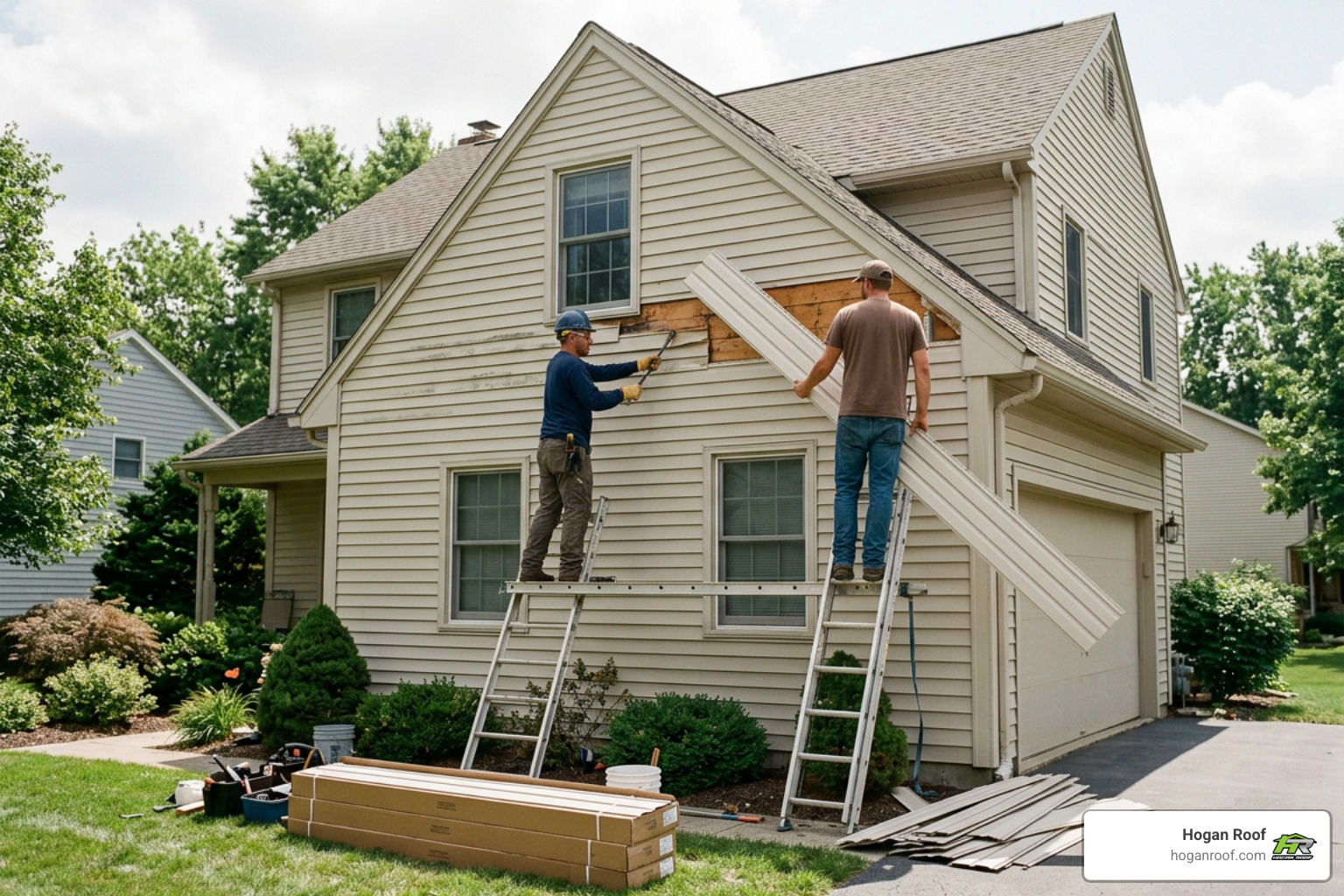
How to Choose the Right Vinyl Siding in Suffolk County
Popular Styles and Options for Vinyl Siding Suffolk County
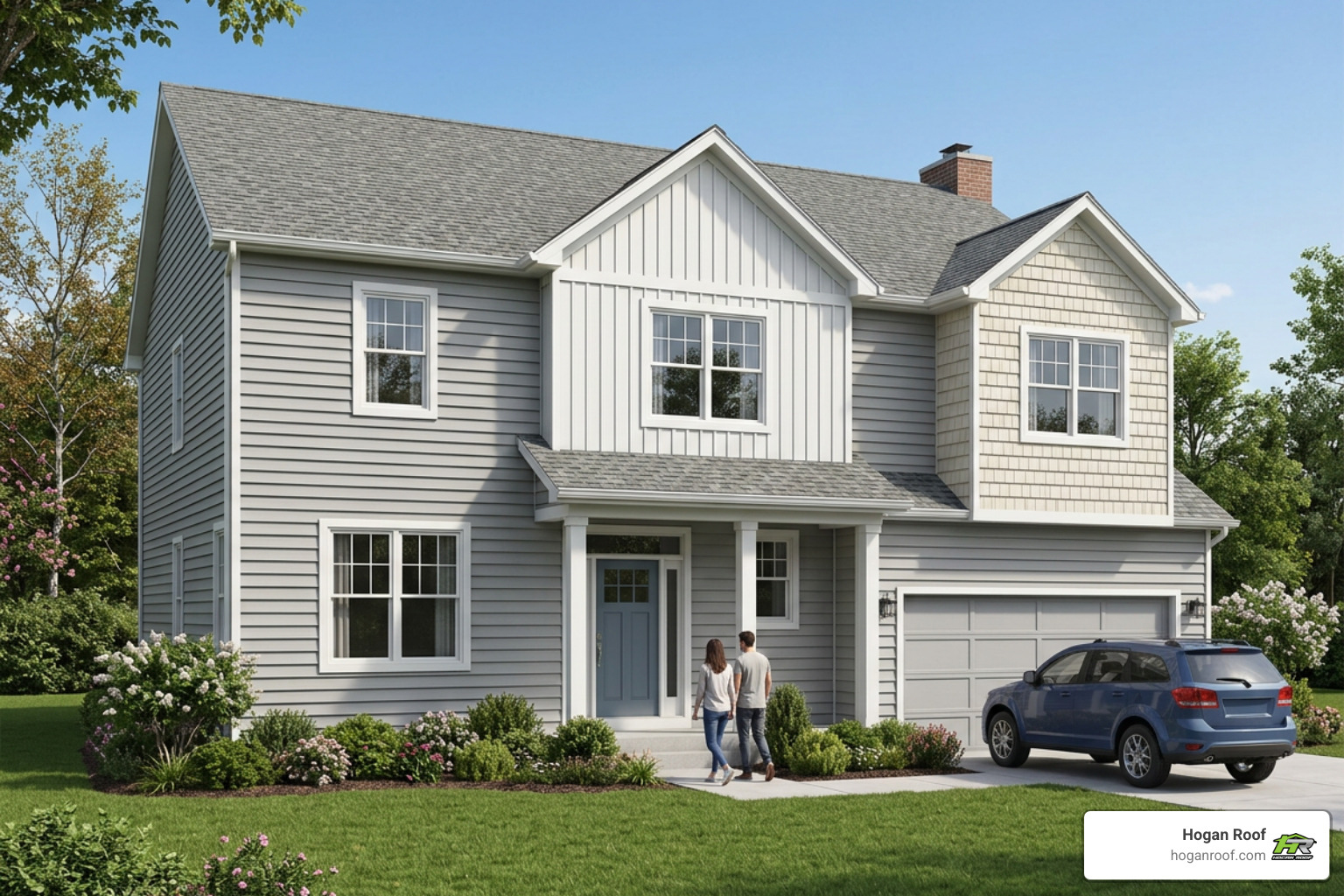
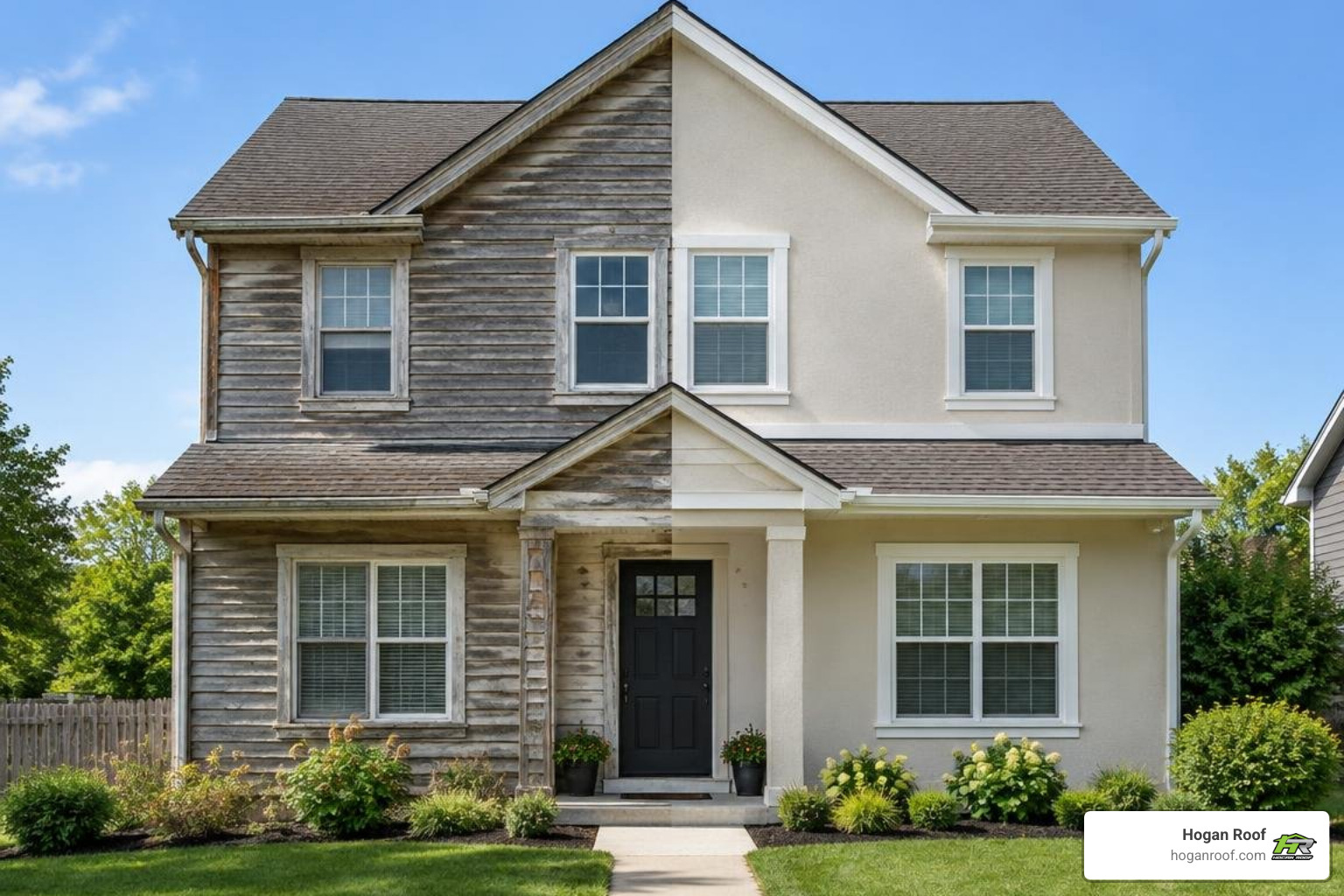
Choosing the right vinyl siding Suffolk County profile comes down to blending your personal aesthetic taste with the distinct architectural character of your immediate neighborhood. Vinyl technology has come an exceptionally long way over the last decade. Today's advanced panels feature deeper profile depths, authentic texture variations, realistic woodgrain patterns, and crisp shadow lines that replicate traditional painted timber without the endless cycle of sanding, scraping, and repainting.
Whether you are updating a classic Cape Cod in West Islip, a cozy ranch in Patchogue, or a sprawling contemporary home in Huntington, selecting the right style will instantly elevate your curb appeal while significantly boosting your home's structural defense against the elements. You can explore a full range of custom architectural options through our dedicated Siding solutions.
Styles of Vinyl Siding Suffolk County Homeowners Choose
Suffolk County features a rich and diverse mix of home designs, ranging from historic farmhouses and historic colonials to modern oceanfront estates. To match these distinct architectural styles, we frequently install several core vinyl profiles:
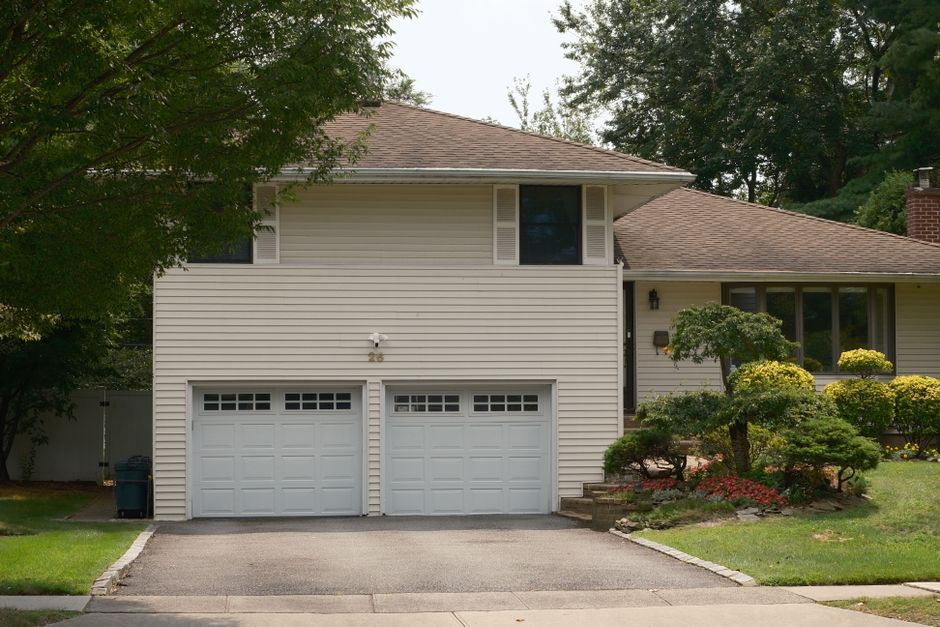
- Clapboard (Traditional Lap): Featuring long, horizontal panels that overlap slightly, traditional lap siding gives homes a clean, timeless look that works seamlessly on almost any property style across Long Island.
- Dutch Lap: This style features a subtle bevel cut into the top edge of each horizontal panel. The bevel creates distinct, dynamic shadow lines, adding noticeable depth and architectural interest to larger home exteriors.
- Board and Batten: Utilizing wide vertical panels joined by narrow vertical strips (battens), this style provides a striking visual height and modern dramatic flair. It is exceptionally popular for modern farmhouses and accent gables.
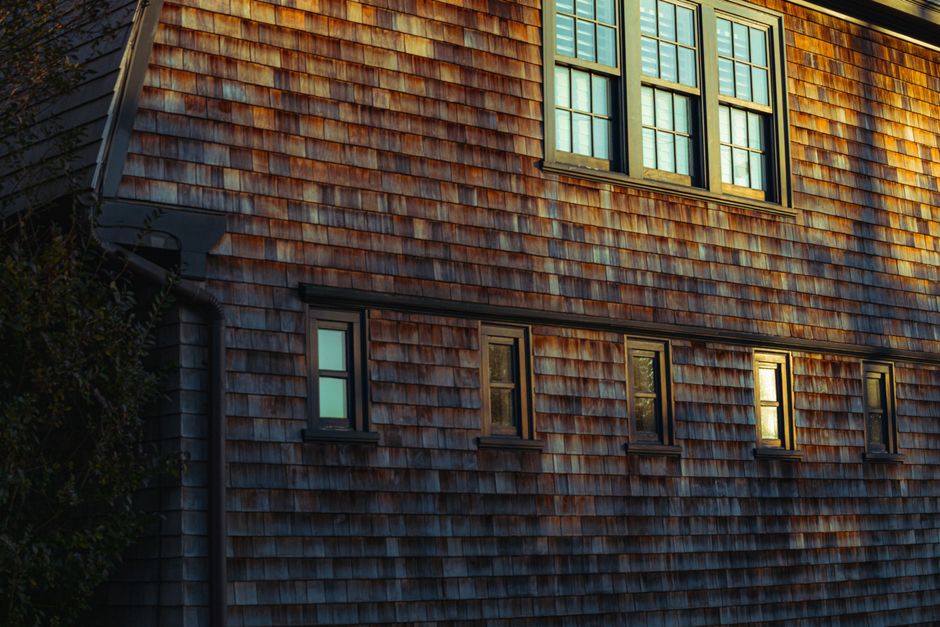
- Cedar Shake and Shingles: Vinyl shakes closely mimic hand-split coastal cedar shingles without splitting, warping, cupping, or rotting over time. They are ideal for full-house cladding or as an eye-catching accent feature on coastal homes.

Coastal Palette Options for Long Island
Living in Suffolk County means taking natural inspiration from the nearby ocean shoreline and scenic bays. Coastal color palettes continue to dominate local remodeling trends, but selecting the proper color isn't just about exterior aesthetics—it's also about long-term durability and color retention.
- Nautical Blues and Deep Aquas: Rich navy and slate blues provide a bold, striking contrast against crisp white trim and dark accents, creating a sharp maritime look.
- Coastal Grays and Driftwood: Light grays and weathered stone shades soften a home's exterior profile, blending seamlessly with the natural Long Island coastal backdrop.
- Warm Neutrals and Muted Terras: Classic beige, warm sand, cream, and olive tones offer timeless elegance that retains its appeal across generations and neighborhoods.
Because Suffolk County homes endure intense high UV exposure during humid summer months, premium panels are engineered with advanced color-retention technology and fade-resistant capstocks. This ensures your home maintains its vibrant, fresh exterior season after season without yellowing, chalking, or bleaching.
Comparing Different Types of Vinyl Siding
Not all vinyl panels are constructed the same way. Understanding the structural differences between grade options helps you make an informed investment that balances upfront installation costs with long-term energy savings and protection.
| Siding Category | Nominal Thickness | Impact & Wind Resistance | Thermal R-Value | Primary Best-Use Case |
|---|---|---|---|---|
| Standard Grade Vinyl | 0.040" - 0.042" | Moderate; withstands basic local storms | R-0.6 (Minimal insulation) | Budget-conscious refreshes and rental properties |
| Premium / Heavy-Duty | 0.044" - 0.048" | High; deeper locking system for high winds | R-0.6 to R-1.0 | Standard coastal homes needing durability |
| Insulated Vinyl Siding | 0.044"+ with fused foam backing | Superior; absorbs heavy impacts without denting | R-2.0 to R-5.0+ | Energy efficiency upgrades and cold winter defense |
Performance in Long Island Coastal Climate
Suffolk County stretches between the Long Island Sound and the open Atlantic Ocean, leaving local homes continuously vulnerable to severe coastal weather patterns. From severe winter nor'easters carrying freezing rain and snow to coastal salt mist and high summer humidity, your exterior cladding takes a non-stop beating.

Standard, low-grade materials can become brittle in extreme winter temperatures or warp under intense summer solar heat if installed without precise clearance for thermal expansion. Premium vinyl panels incorporate reinforced heavy-duty nail hems and deep locking mechanisms specially engineered to withstand extreme wind gusts exceeding 110 mph.
Furthermore, integrating a high-performance weather-resistive barrier and moisture membrane behind your panels stops wind-driven moisture from reaching your internal wooden wall framing. You can browse our full line of weather-resistant exterior Products to see how modern wall systems protect structural integrity over decades. For broader technical guidance on building envelopes and thermal performance, you can also review general Research on home cladding materials.
Cost, Durability, and Building Regulations
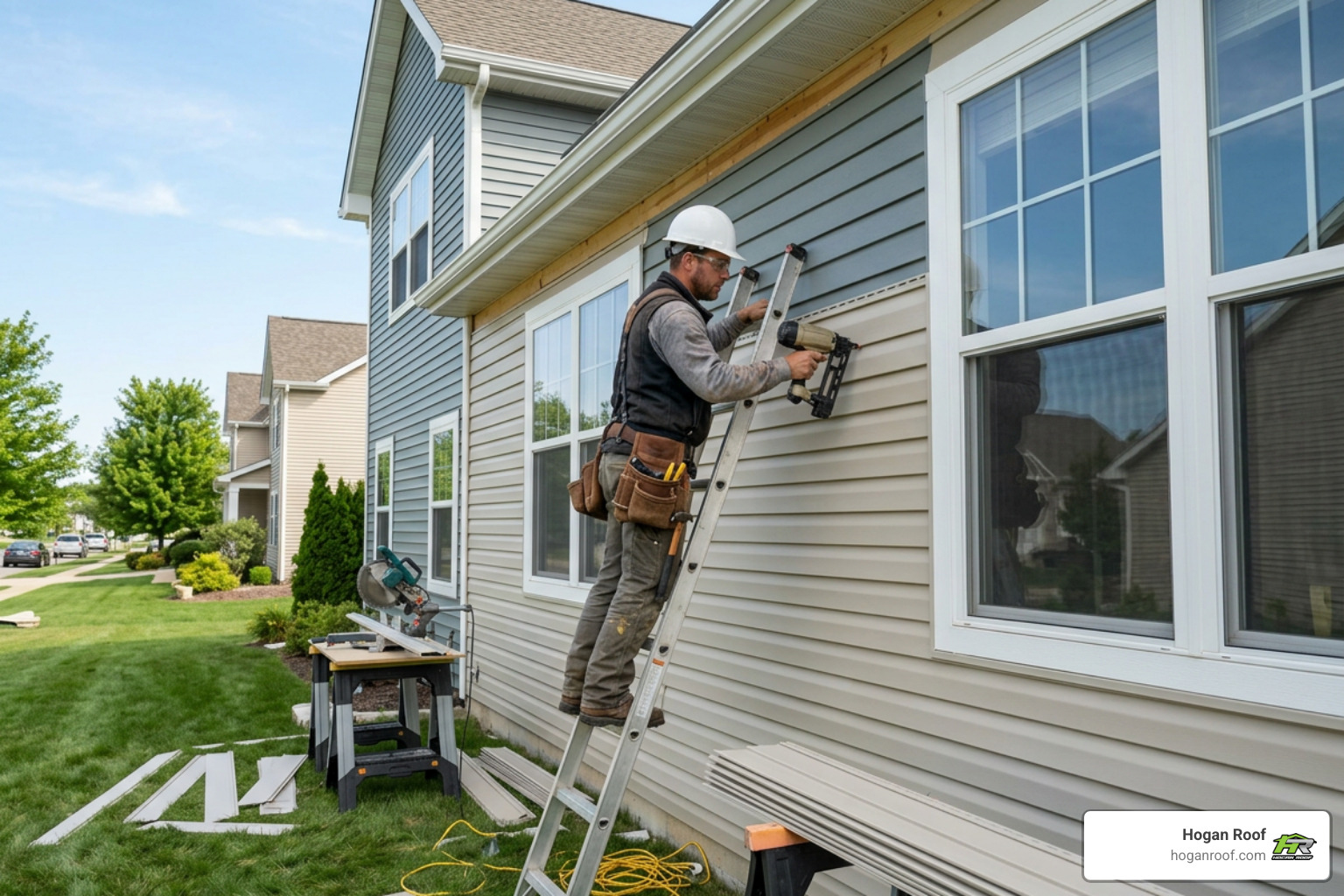
Investing in new vinyl siding Suffolk County exterior cladding offers one of the highest returns on investment among all residential exterior remodeling projects. Understanding what drives project costs and knowing your local municipal rules ensures your renovation proceeds smoothly without unexpected financial surprises or regulatory delays.
Average Costs for Vinyl Siding Suffolk County
The final cost of a full siding replacement depends on your home's total wall square footage, the number of stories, structural prep work, and chosen material grades.
- Basic Standard Vinyl: Typically ranges from $6.00 to $9.50 per square foot installed.
- Premium & Architectural Styles (Board/Batten, Shakes): Ranges from $9.00 to $14.00 per square foot installed.
- Foam-Backed Insulated Siding: Ranges from $11.00 to $18.00+ per square foot installed.
Beyond the raw panels themselves, comprehensive project estimates include removing and disposing of old siding, repairing damaged wooden sheathing, installing breathable housewrap barriers, and adding custom aluminum trim capping around windows, doors, fascia, and soffits. To plan your home improvement budget accurately and transparently, explore detailed estimates through our comprehensive Pricing page.
Town Permits and Local Building Regulations
Suffolk County is comprised of ten distinct towns—including Brookhaven, Islip, Babylon, Huntington, and Smithtown—along with dozens of incorporated villages. Building permit requirements and municipal codes vary significantly depending on where your home sits:
- Town Permits: Most Suffolk municipalities require a formal building permit for full exterior siding replacement to ensure complete compliance with local wind-load codes and fire-resistance standards.
- Historic District Rules: If your home is located within a designated historic district (such as parts of Cold Spring Harbor, Stony Brook, or Sag Harbor), local historic review boards may restrict material types, board widths, or permitted color choices.
- Code Compliance: Siding installations must strictly adhere to the latest state energy conservation and structural guidelines. You can inspect regional building guidelines directly through established Building code standards.
A professional licensed installer manages the entire permit filing process for you, taking accurate architectural elevation measurements and ensuring all completed work meets strict local inspection requirements.
Hiring the Right Contractor in Suffolk County
Proper installation techniques account for more than half of your overall siding system's performance and longevity. Even the highest-grade insulated panel will leak water, buckle, or blow off during a heavy storm if it is nailed too tightly to the sheathing or lacks proper flashing around window openings.
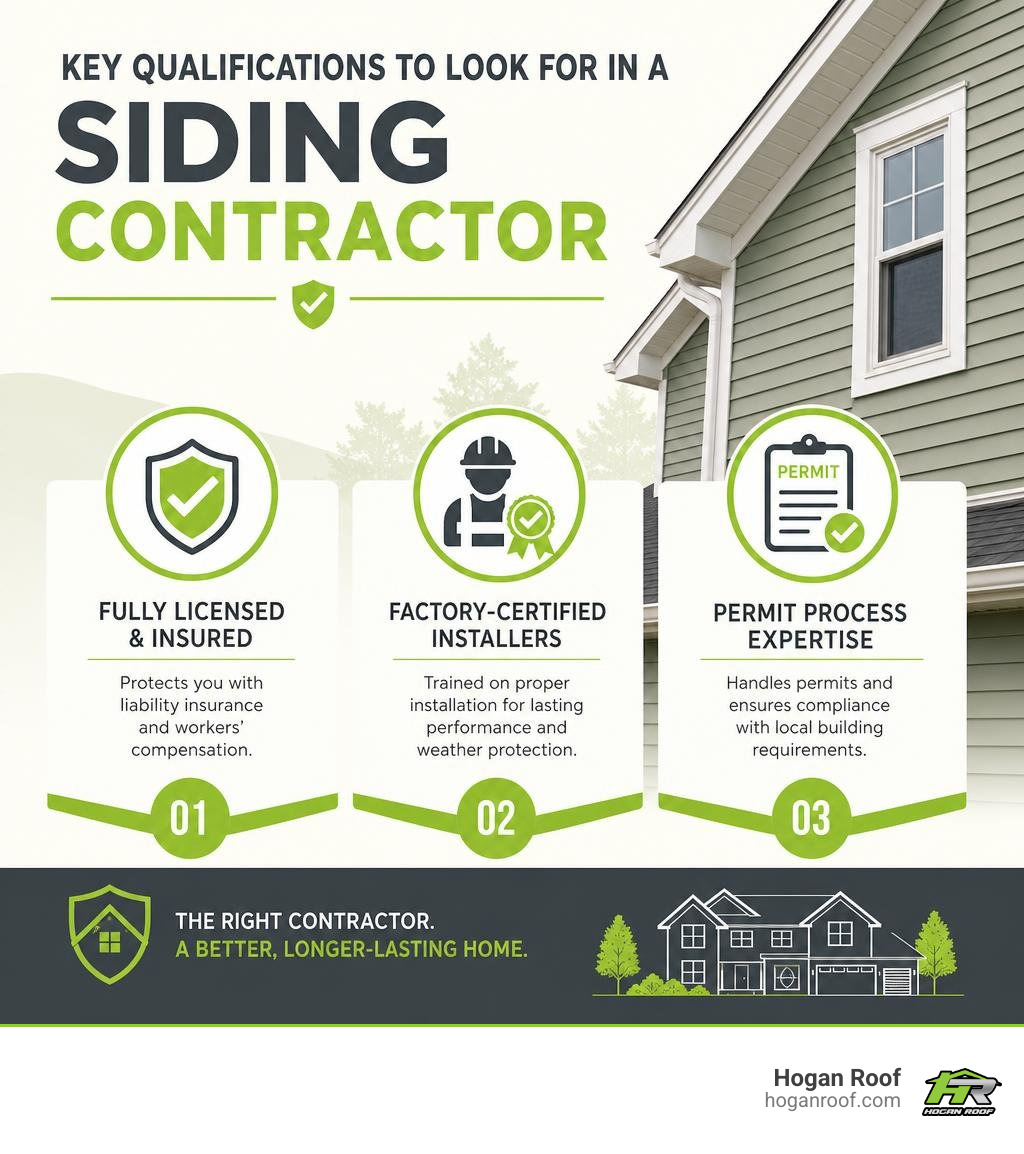
When evaluating potential exterior contractors for your home project, ensure you ask the following critical verification questions:
- [ ] Are you fully licensed and insured in Suffolk County? Always verify both general liability insurance and active workers' compensation coverage to protect yourself from home property liability.
- [ ] Are your installers factory-certified? Top manufacturers provide specialized training on thermal expansion gaps, j-channel drainage systems, and heavy-duty locking mechanisms.
- [ ] Do you handle the complete permit filing process with my local town building department?
- [ ] What non-prorated labor and material manufacturer warranties come with the job?
- [ ] Does your written proposal include complete structural prep work, old material waste removal, and new housewrap installation?
Working with an experienced, certified professional guarantees that every corner post, starter strip, and window header is completely sealed and flashed correctly. To learn more about our complete exterior design and installation options, check out our full range of professional Services.
Frequently Asked Questions About Siding
How long does vinyl siding last in Long Island weather?
When properly installed and maintained, quality vinyl siding lasts between 30 and 50 years. Premium panels engineered for coastal environments resist salt air corrosion, fading, and high-impact wind damage far better than older legacy materials.
Do I need a building permit for siding in Suffolk County?
In most Suffolk County towns and villages, full exterior siding replacement requires a building permit. Simple spot repairs may be exempt, but contractor-led replacements require permits to ensure the home meets current wind resistance and energy code requirements.
Is insulated vinyl siding worth the additional cost?
Yes, especially for Long Island homeowners looking to reduce energy bills. Insulated siding adds a continuous thermal barrier (adding R-2 to R-5+ insulation) over the wall framing studs, eliminating thermal bridging and lowering both heating and cooling costs year-round.
Conclusion
Choosing the right vinyl siding Suffolk County home exterior requires balancing eye-catching styles, resilient coastal performance, transparent pricing, and master-level craftsmanship. By selecting quality panels designed for Long Island weather and working with a certified installation team, you protect your structural walls while enjoying a virtually maintenance-free exterior for decades.
At Hogan Roof, we bring over 20 years of dedicated tri-state experience to every home improvement project. As an Owens Corning Platinum Preferred Contractor with deep regional expertise, our team provides thorough craftsmanship, clear communication, and non-prorated warranty protection.