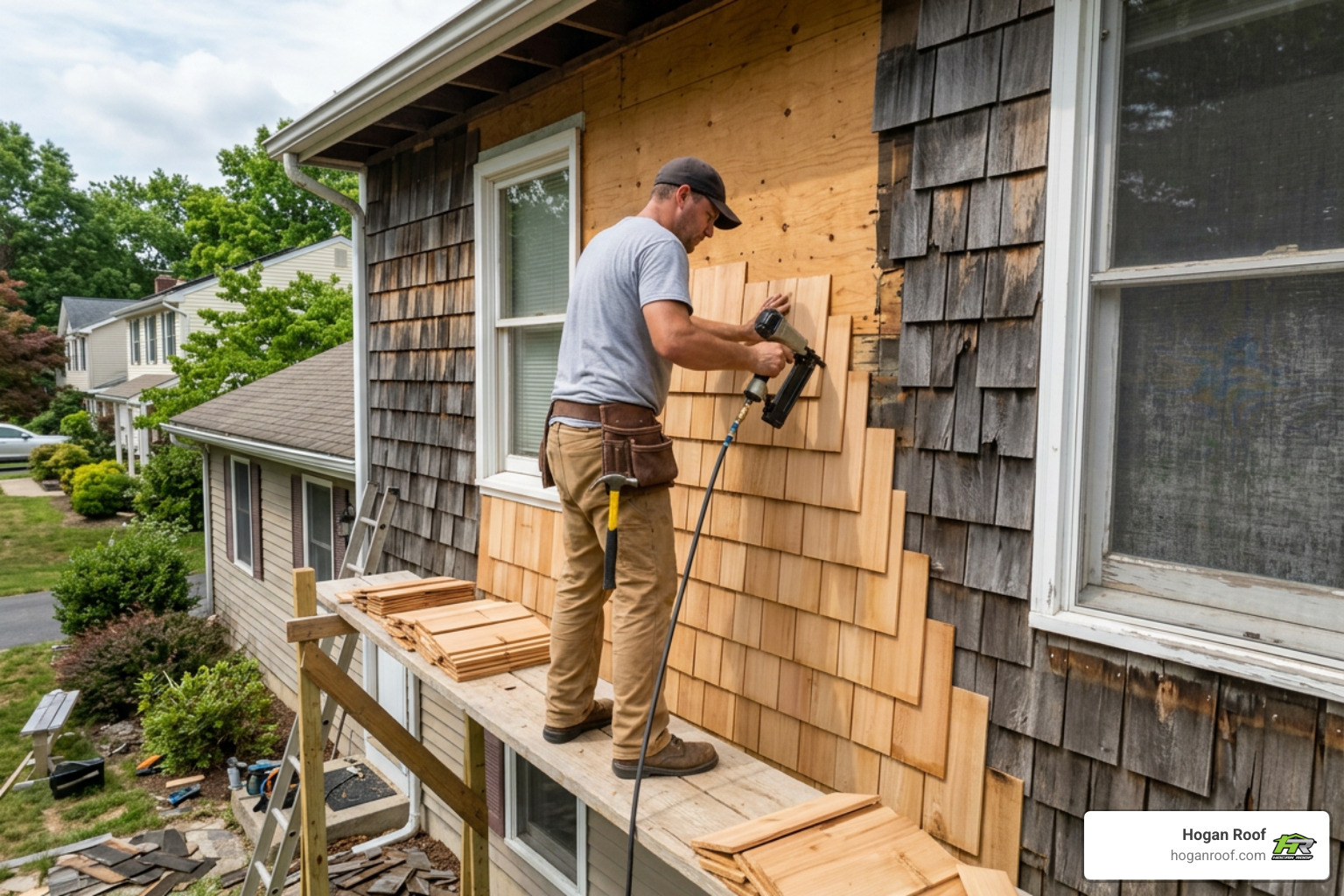
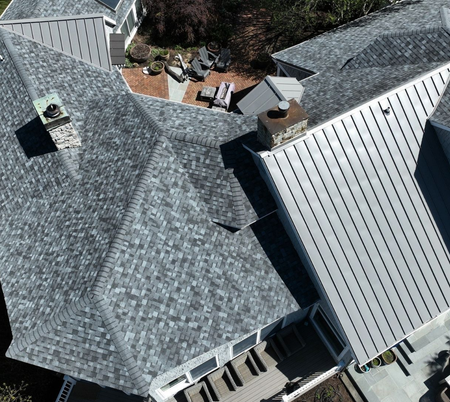
Protecting Your Home with Quality Vinyl Siding in Nassau County NY
Benefits of Nassau County Vinyl Siding for Coastal Climates
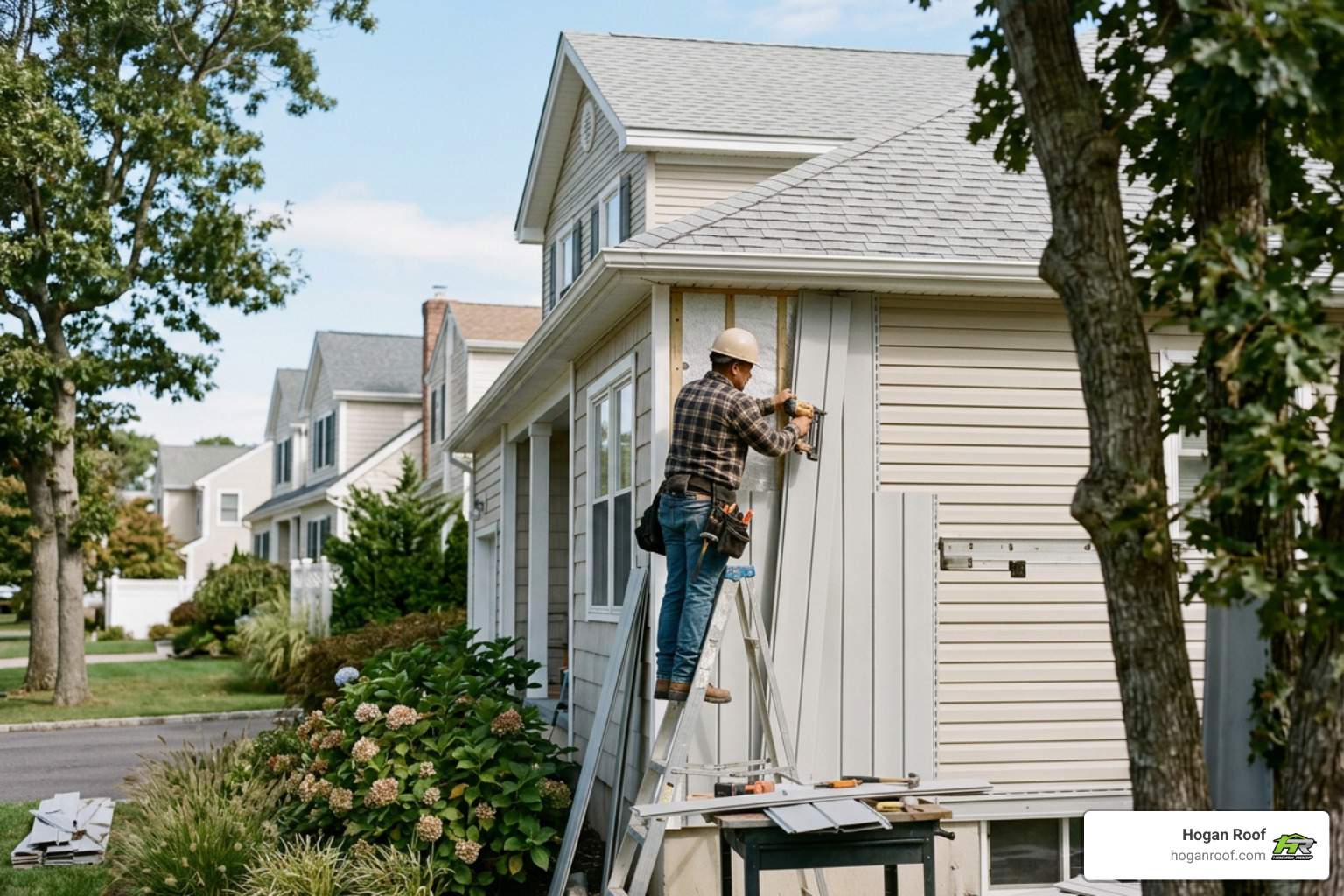
Nassau County vinyl siding is the ideal exterior cladding solution for local homes because it delivers durable, waterproof protection against harsh coastal salt air, heavy nor'easters, and seasonal temperature swings with minimal maintenance. Engineered from resilient polyvinyl chloride, modern vinyl provides long-term rot and moisture resistance while boosting energy efficiency.
Living on Long Island means enjoying gorgeous shorelines, vibrant communities, and distinct seasons. It also means exposing your home's exterior to salt-laden sea air, heavy nor'easters, humid summer stretches, and freezing winter temperatures. Standard building materials often struggle under these conditions, leading to paint peeling, rot, and moisture intrusion.
Vinyl siding is engineered specifically to withstand these coastal and regional stressors. Because polyvinyl chloride (PVC) is inherently waterproof, it does not absorb moisture, swell, or rot like natural wood. When ocean winds drive moisture against your exterior walls, quality vinyl panels paired with proper housewrap form an effective drainage plane that keeps the underlying framing dry.
Key climatic benefits include:
- Salt Air and Moisture Resistance : Unlike metal siding that can corrode or wood that absorbs salty dampness, vinyl remains completely inert to marine air.
- High Wind Load Tolerance : Premium vinyl panels are rated to withstand gale-force winds and coastal gusts, staying firmly secured when installed with the correct nail-hem fasteners.
- Thermal Barrier Protection : Nassau County experiences notable temperature swings between July and January. Insulated vinyl creates a continuous thermal envelope around the house, preventing thermal bridging across wall studs.
- Energy Efficiency Gains : Upgrading to modern insulated vinyl siding can improve a home's exterior energy efficiency by up to 30% compared to older, uninsulated cladding, keeping your home warm in the winter and cool in the summer.
To achieve these benefits, we focus on delivering custom siding systems engineered to handle Long Island's demanding coastal weather.
Material Comparison: Vinyl vs. Traditional Alternatives
When deciding on the right exterior cladding, Nassau County homeowners frequently weigh vinyl against fiber cement and natural wood. Each material features distinct profiles regarding initial investment, upkeep, and long-term performance.
| Feature / Factor | Modern Vinyl Siding | Fiber Cement Siding | Natural Wood Siding |
|---|---|---|---|
| Average Upfront Cost | Moderate ($8,000 – $16,000) | High ($13,000 – $24,000) | High to Very High ($14,000 – $28,000+) |
| Maintenance Needs | Very Low (annual wash) | Moderate (repainting every 10–12 yrs) | High (repainting/staining every 3–5 yrs) |
| Moisture & Rot Resistance | Excellent (100% waterproof PVC) | Good (requires sealed seams) | Poor to Fair (prone to rot and termites) |
| Expected Lifespan | 30 to 50+ Years | 30 to 50 Years | 20 to 40 Years (with strict care) |
| Salt Air Resilience | Excellent | Good | Poor (accelerates paint failure) |
| Installation Complexity | Streamlined | Labor-intensive and heavy | Specialized carpentry required |
Vinyl siding remains the most popular exterior cladding material in the United States, used on approximately 32% of new single-family homes. Its blend of accessible upfront pricing, zero-paint maintenance, and long lifespan makes it an attractive choice for Nassau County neighborhoods.
Top Styles and Profiles for Nassau County Vinyl Siding
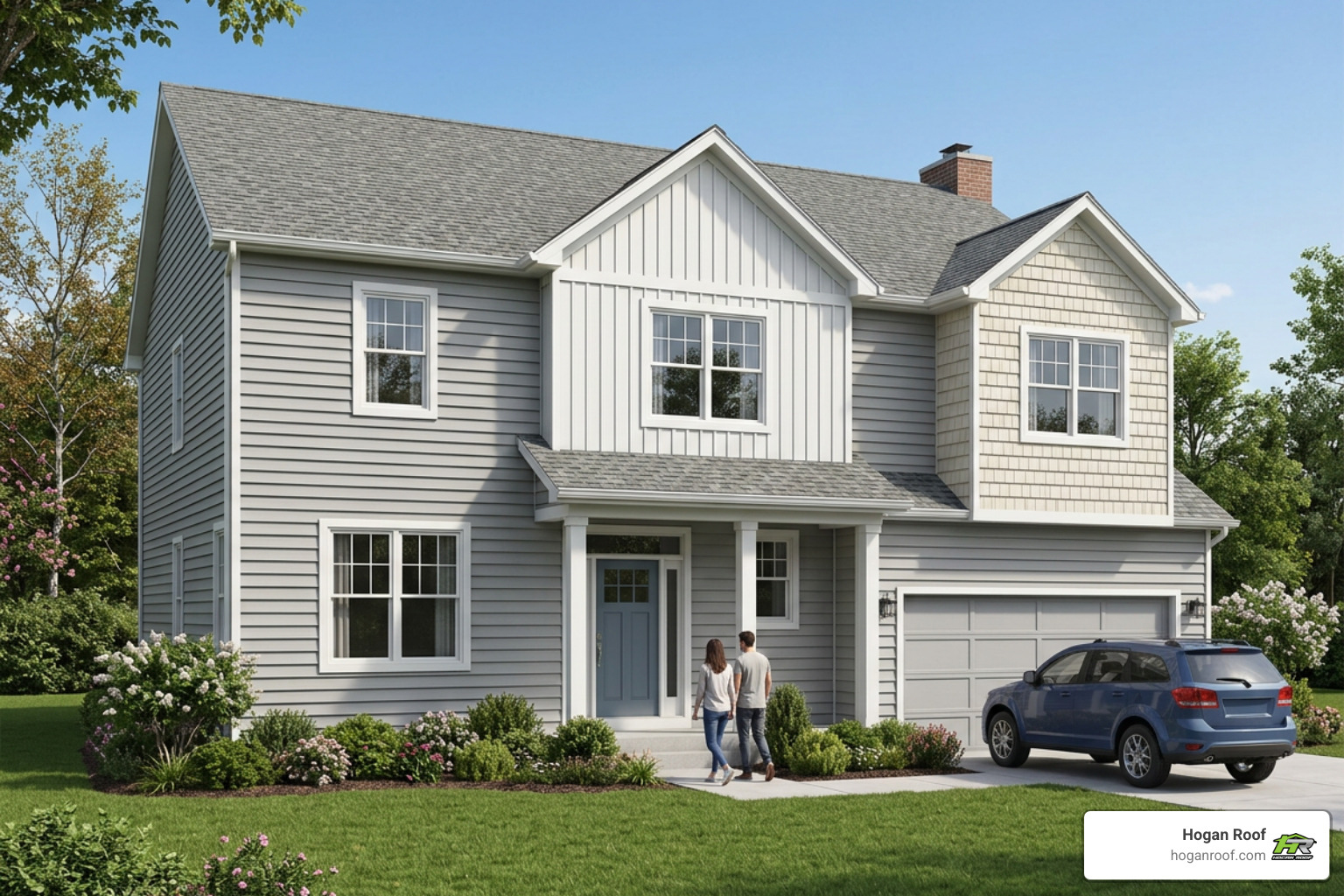
Modern manufacturing has elevated vinyl far beyond the plain, flat panels of decades past. Homeowners can choose from an array of architectural profiles, textures, and rich color palettes designed to complement local architectural traditions:
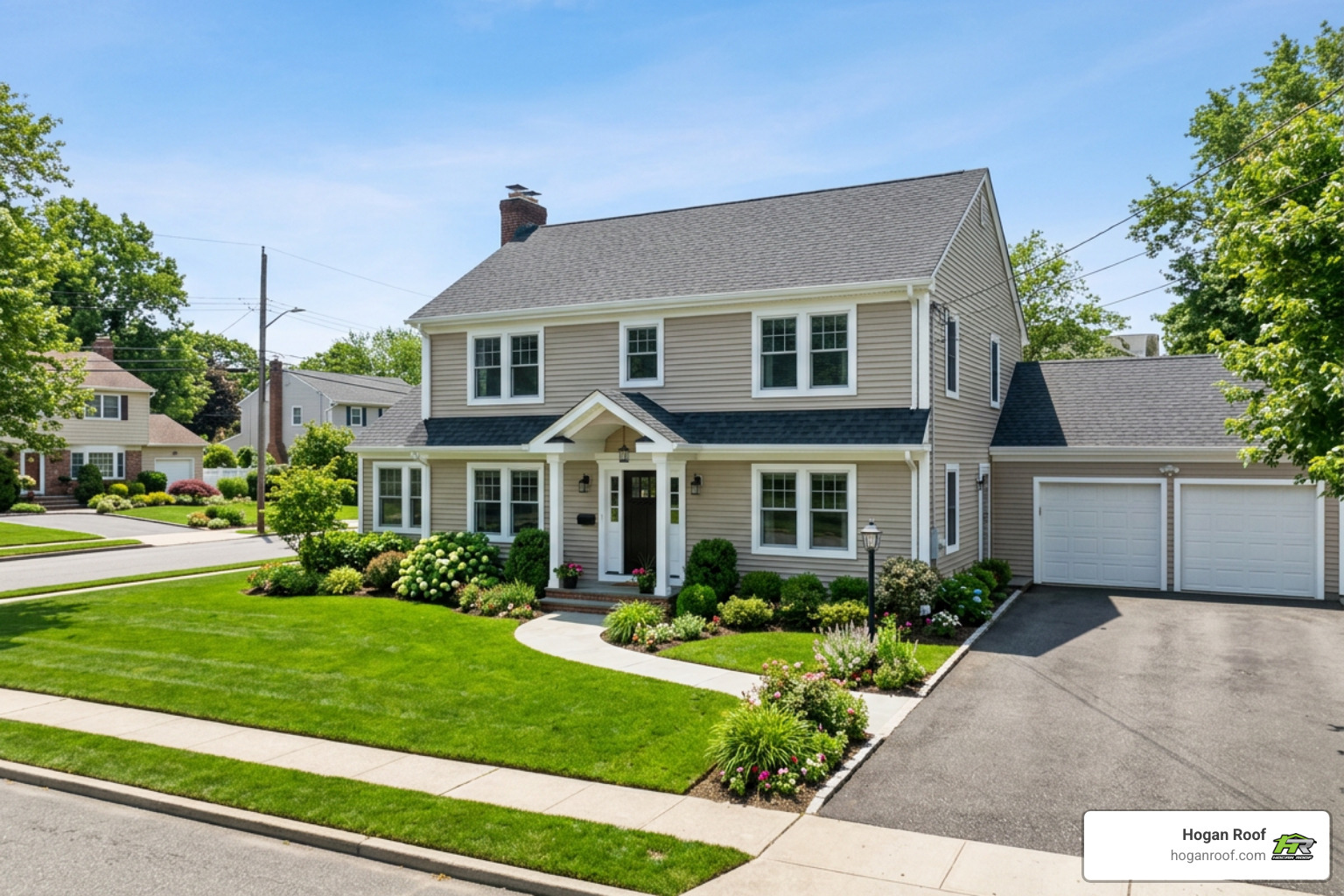
- Horizontal Traditional Clapboard : The timeless Long Island look. These narrow-to-medium horizontal reveals provide crisp shadow lines that suit colonial, ranch, and cape cod homes alike.
- Dutch Lap : Featuring a distinctive groove along the top of each panel, Dutch lap siding creates deeper shadow lines, adding classic character and visual depth.
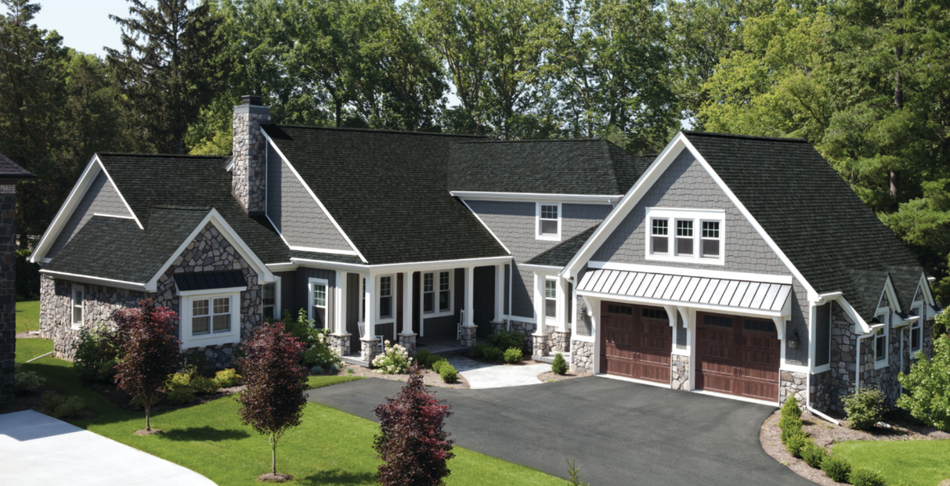
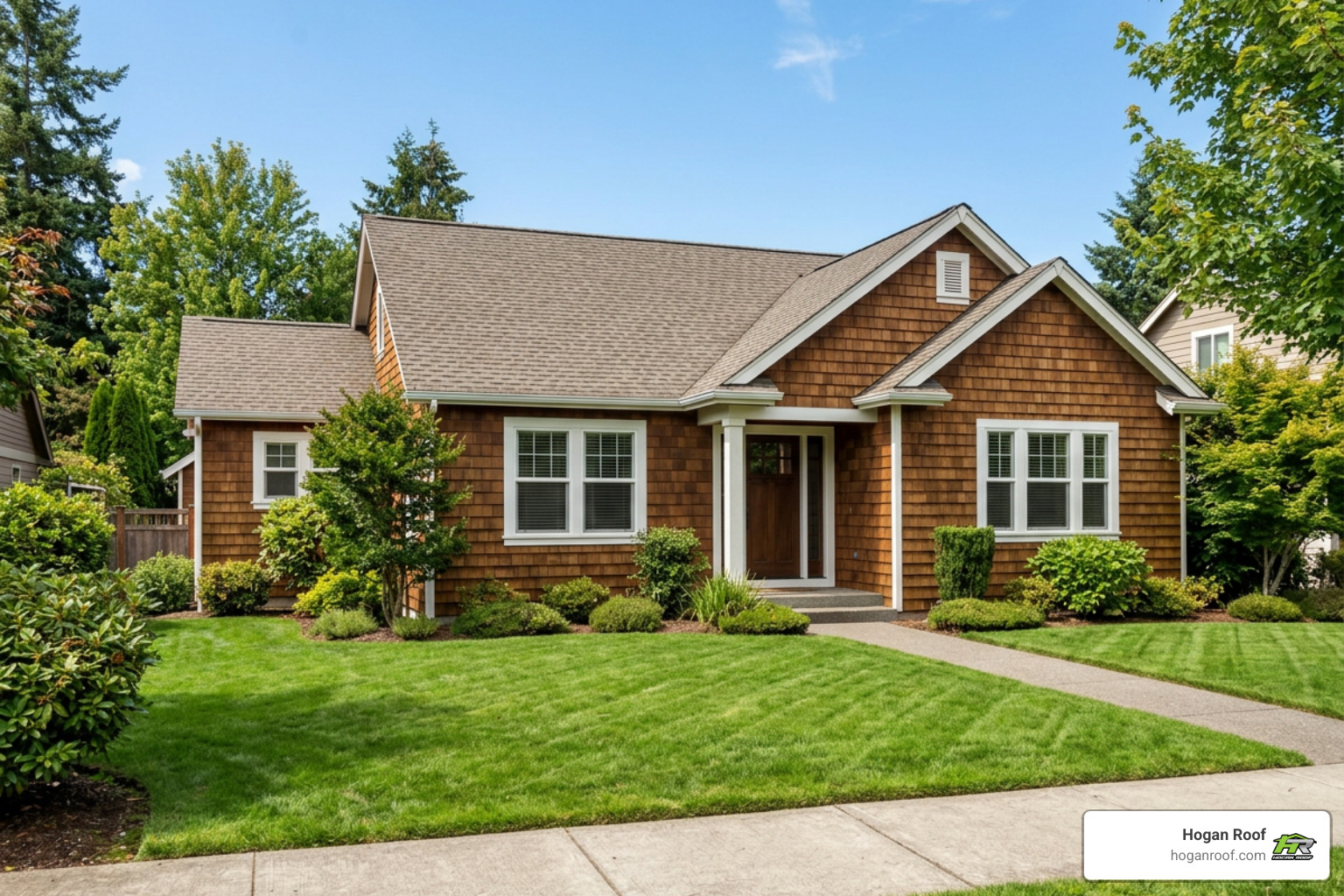
- Cedar Shake Impressions : Perfect for the South Shore and North Shore aesthetics, vinyl shakes mimic the rustic texture of hand-split cedar shingles without the splitting, cupping, or graying associated with natural cedar.
- Vertical Board and Batten : Popular for modern farmhouse designs or accent gables, alternating wide boards and narrow raised battens add vertical height and contemporary flair.
- Architectural Trim and Accents : Wide corner posts, crown moldings, fluted corner trim, and decorative window mantels allow you to frame your siding package cleanly.
Siding Investment, Local Costs, and Resale ROI
Upgrading your home's exterior cladding is a major investment, but it consistently delivers strong financial returns. Nassau County has over 570,000 housing units, with a significant portion built between 1950 and 1970. Many of these post-war homes still carry their original wood, aluminum, or early-generation vinyl siding, which are now prime candidates for an upgrade.
The average cost to install vinyl siding on a typical home in Nassau County ranges from $8,000 to $16,000 , depending on:
- The total exterior square footage and wall height.
- The chosen profile and insulation backing (e.g., standard vs. contoured EPS foam).
- The complexity of window trim, soffits, and architectural details.
- Tear-off and disposal requirements for old cladding.
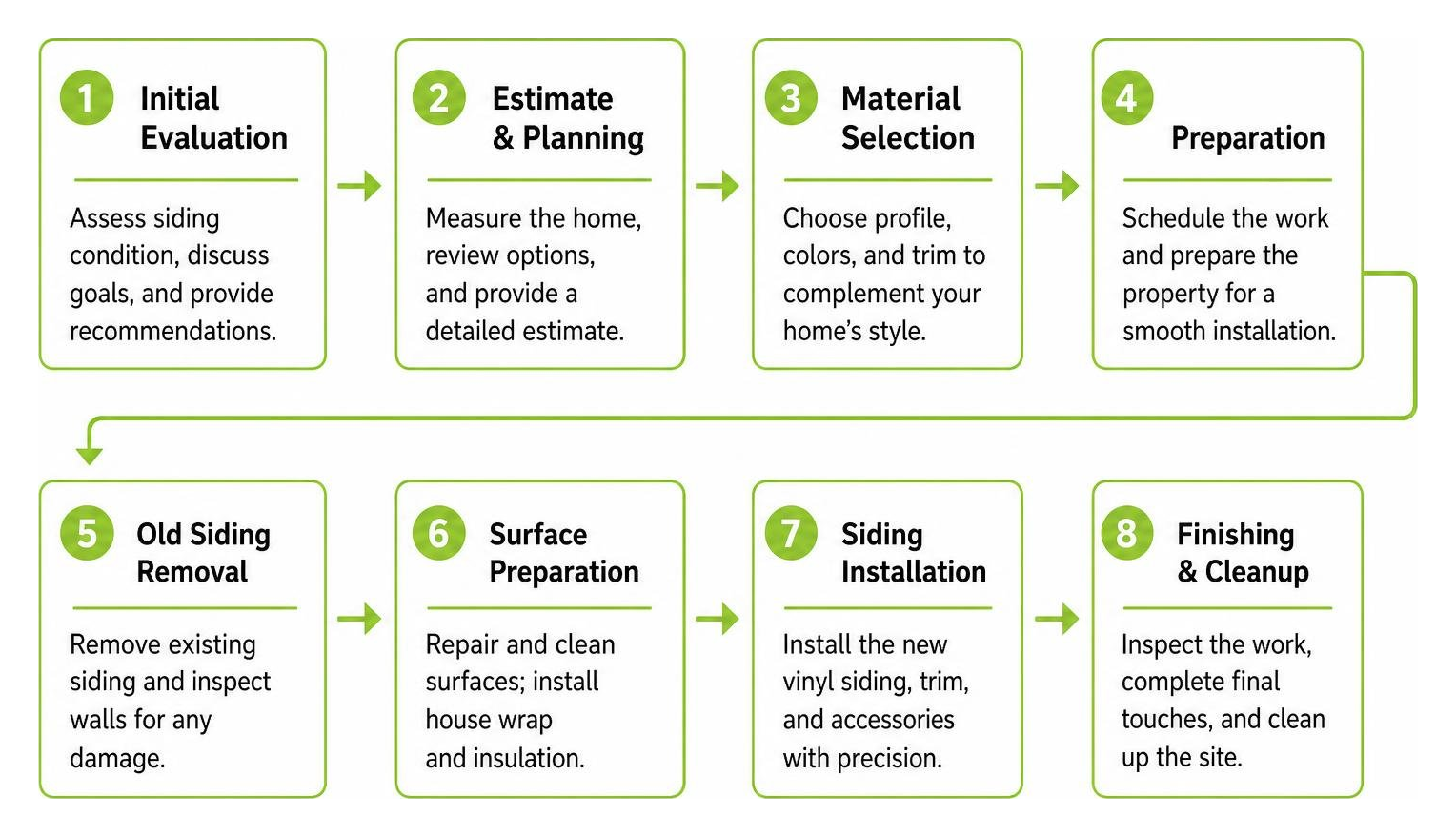
According to regional remodeling data, homeowners in the Northeast can expect to recoup about 68% of the cost of vinyl siding replacement at resale, making it one of the highest-ROI home improvement projects available. A fresh exterior modernizes the property's look and reassures prospective buyers that they will not face costly exterior maintenance or painting projects for years.
Additionally, many homeowners choose to coordinate siding work with their residential roofing system to ensure seamless flashing integration where rooflines meet vertical walls, protecting the home from top to bottom.
Navigating Nassau Building Codes and Installation Standards
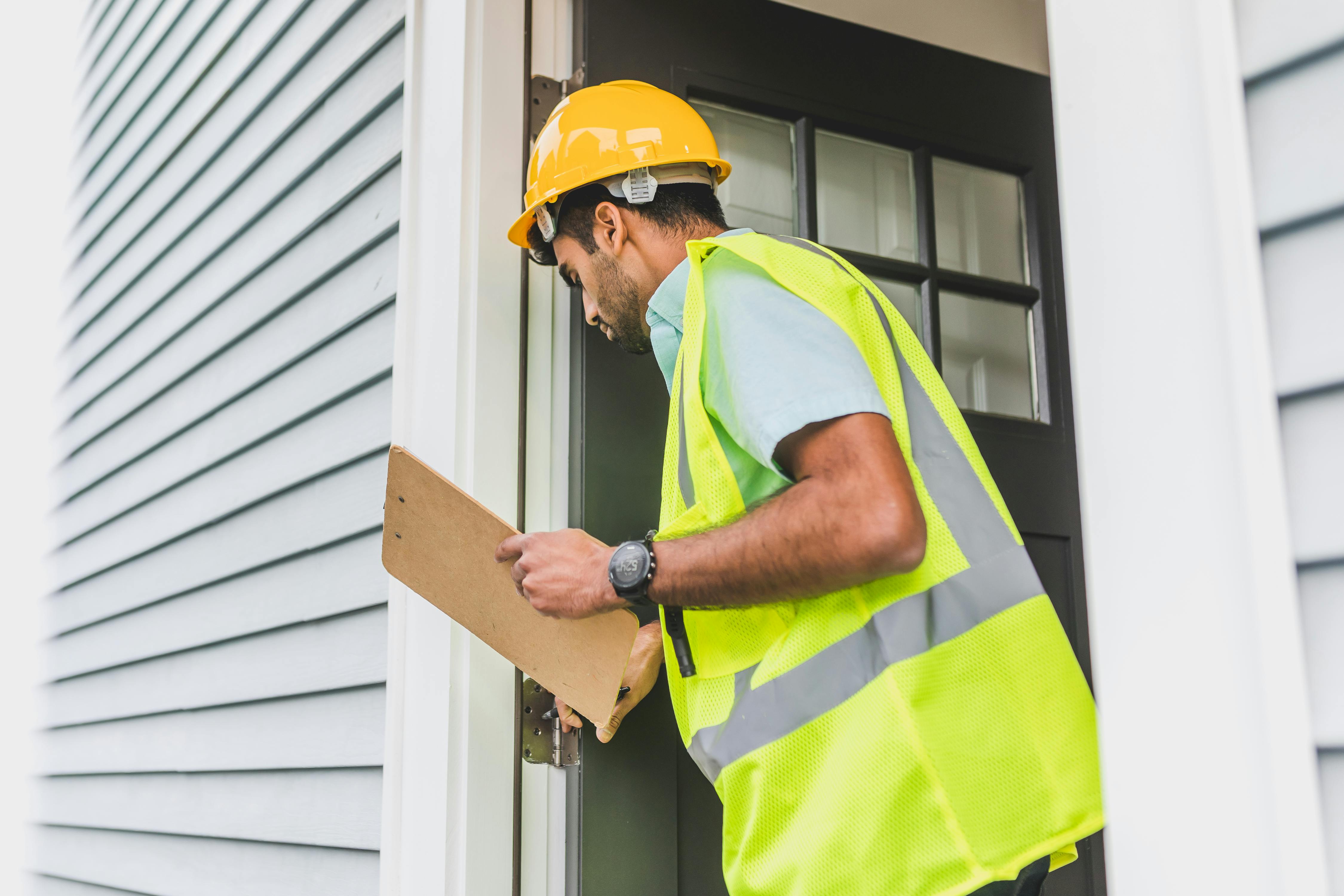
Exterior renovations in Nassau County must comply with local building regulations. Whether you live in the Town of Hempstead, Town of Oyster Bay, Town of North Hempstead, or within an incorporated village like Garden City, Rockville Centre, or Mineola, specific rules govern structural alterations and exterior finishes.
Key regulatory and installation considerations include:
- Building Permits : Most Nassau County townships require a building permit for full siding replacement to ensure structural sheathing, fire barriers, and weather-resistant barriers meet the New York State Uniform Fire Prevention and Building Code.
- Wind Load Compliance : Due to coastal wind patterns across Long Island, fasteners must penetrate wall studs or approved structural sheathing by specific depths, using corrosion-resistant roofing nails with wide heads.
- Moisture and Drainage Barriers : Code dictates the application of a certified weather-resistant barrier (such as water-resistive housewrap) behind siding, alongside integrated flashing around all window and door rough openings.
- Warranties : Quality vinyl siding comes backed by manufacturer limited lifetime warranties covering peeling, flaking, and excessive fading. Professional workmanship warranties guarantee that panel expansion gaps, J-channel transitions, and starter strips are installed correctly to prevent buckled panels.
Selecting the Right Nassau County Vinyl Siding Contractor
Proper installation is critical for the long-term performance of your siding. Because vinyl expands and contracts with changing temperatures, panels must be hung loosely on the fasteners rather than pinned tightly to the wall. A contractor lacking local experience may nail panels too tight, causing them to warp, buckle, or distort during summer heatwaves.
When vetting exterior contractors, look for:
- Full licensing with the Nassau County Department of Consumer Affairs.
- Comprehensive general liability and workers' compensation coverage.
- Proven experience across the NY/NJ/CT tri-state area.
- Clear communication regarding permit acquisition and post-job clean-up.
Working with a team that provides full-scope exterior remodeling services ensures every component of your building envelope—from gutters and soffits to siding and roofing—works together seamlessly.
Siding Maintenance and Longevity Best Practices
While vinyl siding is celebrated for its low upkeep, simple routine care keeps it looking new for decades:
- Annual Soft Washing : Spray down the siding once a year using a garden hose and a soft-bristle brush with a mild soap solution to remove airborne dirt, pollen, and salt residue. Avoid using high-pressure washers up close, as intense pressure can force water behind the overlapping seams.
- Mildew and Algae Removal : For shaded walls prone to green algae or mildew, clean using a mixture of one part household bleach to four parts water, allowing it to sit for ten minutes before rinsing thoroughly.
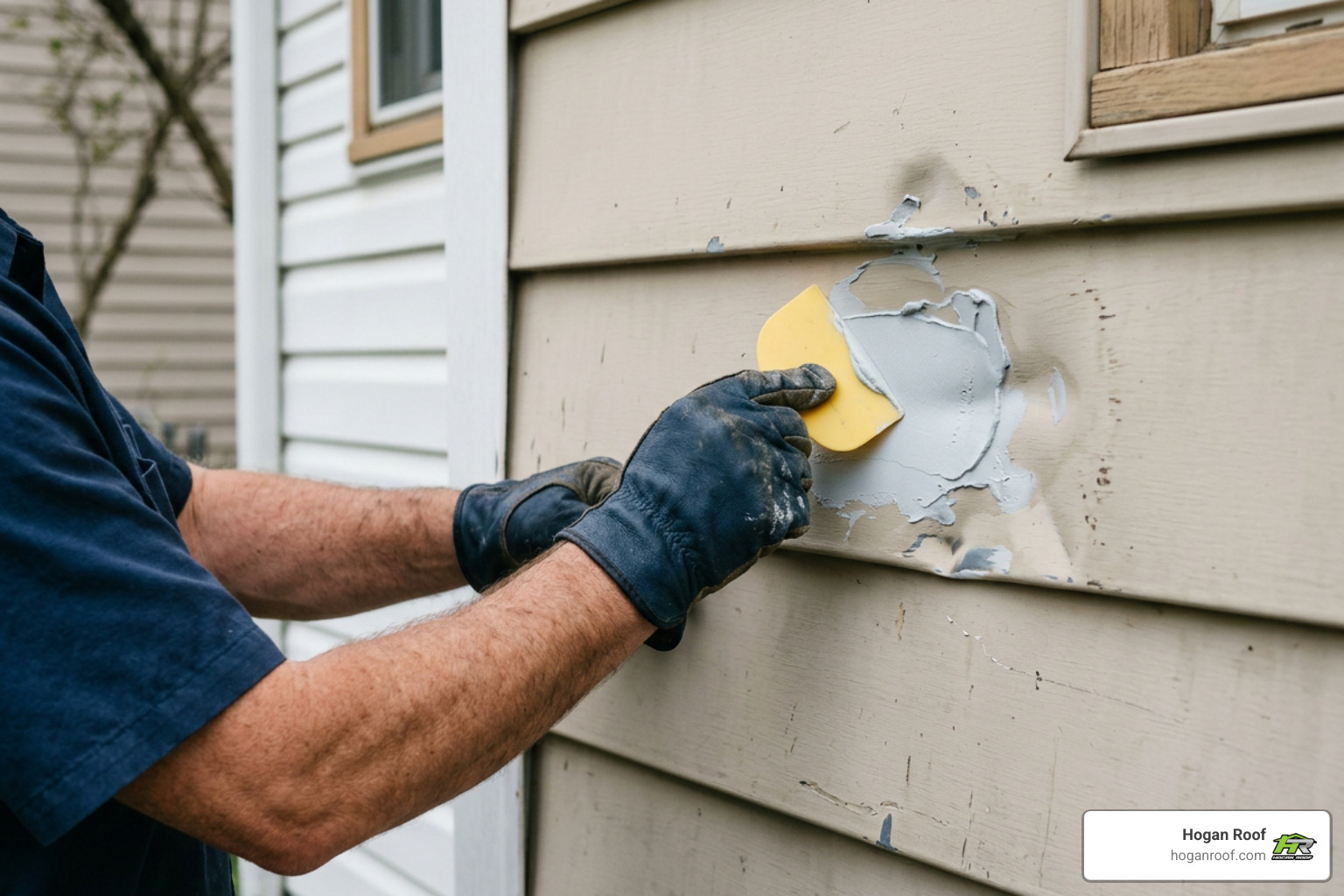
- Inspect Flashing and Sealants : Check the caulking around light fixtures, utility penetrations, and window frames annually. Replace any cracked or deteriorated sealant to block moisture intrusion.
- Maintain Landscape Clearances : Trim bushes, shrubs, and tree branches at least 12 inches away from siding panels to prevent mechanical scratching during windstorms.
Frequently Asked Questions About Long Island Siding
How long does vinyl siding typically last in Nassau County?
When properly installed, high-grade vinyl siding lasts between 30 to 50 years . Modern formulations incorporate advanced UV inhibitors to prevent color fading and impact modifiers that protect against hail and storm debris.
Do I need a permit to replace siding in Nassau County?
Yes, most municipalities and townships across Nassau County require a building permit for siding replacement. Professional contractors typically pull and manage these permits to verify that installation adheres to local fire, energy, and wind-resistance codes.
How does insulated siding reduce winter heating costs?
Insulated vinyl siding incorporates a contoured foam backing that rests flush against your home's exterior sheathing. This layer eliminates "thermal bridging"—the loss of heat through wood wall studs—and adds R-value to your exterior walls, reducing the workload on your heating system during cold winter months.
Conclusion
Protecting your home with quality siding is one of the most effective ways to preserve structural durability, elevate curb appeal, and improve thermal efficiency. At Hogan Roof, our Owens Corning Platinum Preferred team brings over 20 years of hands-on exterior experience to Nassau County homeowners, offering free inspections and flexible financing options.
To get started on your exterior renovation, schedule an inspection via our contact page today, or explore material profiles and design possibilities on our siding installation pillar page.